
Revisions to the Hajj Financial Law: Government Pushes for Stricter Oversight of BPKH
-
News
-
2 minutes ago
This article was translated by AI. Read the original article on Kompas.com. See Original
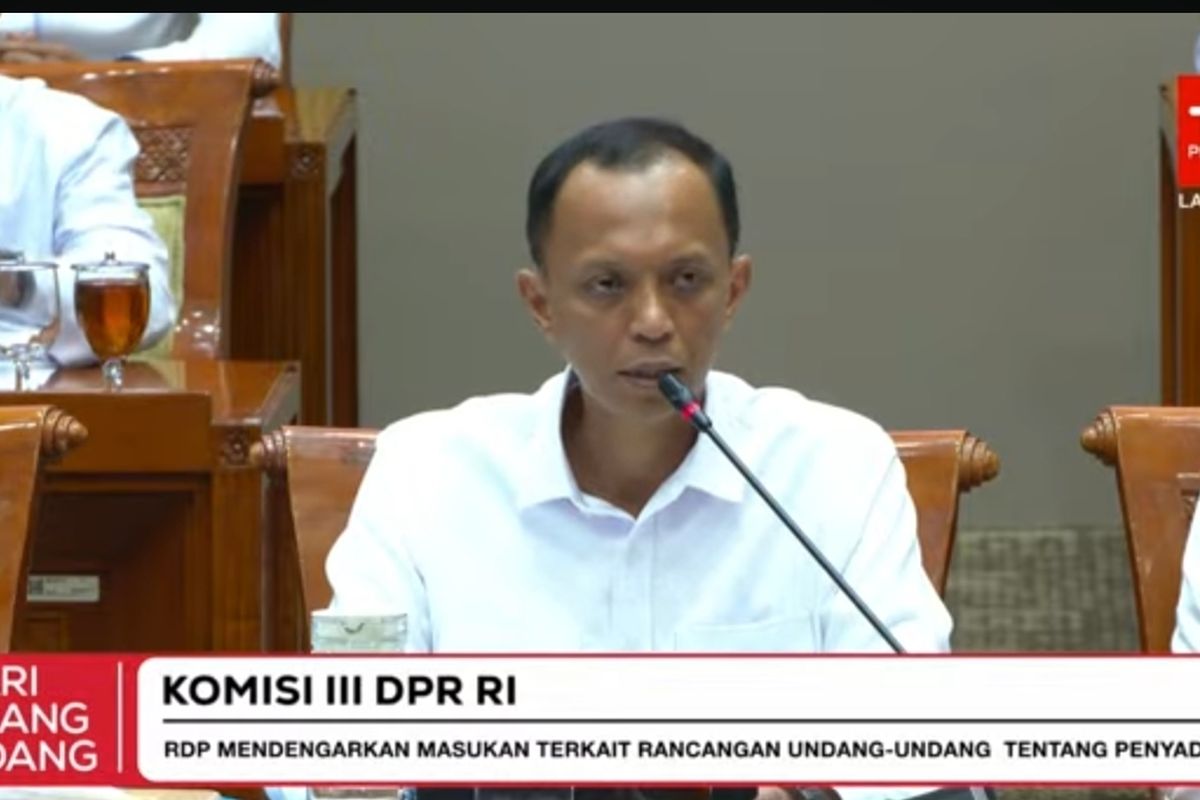
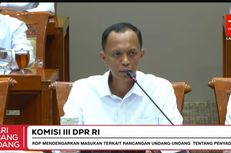
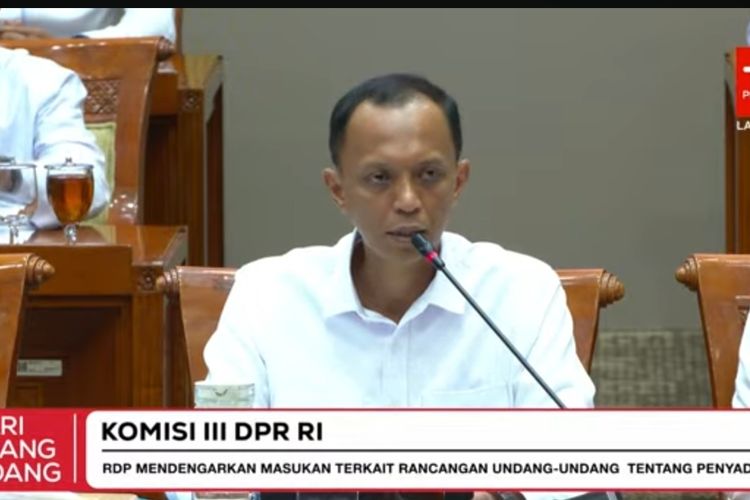
JAKARTA, KOMPAS.com - The Head of the National Intelligence and Security Agency (Baintelkam) of the Indonesian National Police, Inspector General Dedy Kusuma Bakti, expressed hope that the Draft Law on Wiretapping will address more than just the needs of criminal investigations.
"In carrying out early detection tasks, early warning, and preventive measures, the Intelkam of the National Police requires or needs wiretapping. Therefore, we hope that this draft law can go beyond regulating wiretapping solely for investigation purposes," Dedy stated during a Hearing Meeting (RDP) with Commission III of the Indonesian House of Representatives at the Senayan Parliament Complex in Jakarta on Monday (16/11/2026).
He outlined four reasons for this necessity: first, the tasks of detection and prevention are mandated in the Police Law and the State Intelligence Law, which are specifically distinct from investigative functions.
Second, prevention precedes law enforcement where the intelligence function plays a strategic role in managing domestic security issues, with law enforcement being seen as a last resort if prevention is no longer sufficient.
Third, to ensure legal certainty and protection for personnel.
"Referring to Constitutional Court Decision Number 5 of 2010, wiretapping must be regulated by law to establish clear targets, time limits, and penalties to protect personnel and provide guarantees to the public," he said.
The fourth reason is to narrow down the opportunities for abuse through strict regulations established in the legislation.
In response to public concern and the worries of Commission III of the House of Representatives about the potential abuse of these powers, Baintelkam proposed six forms of control.
First, limitative targets, meaning that wiretapping should only be conducted for the prevention of disruptions to domestic security, including crimes with high threat levels.
Second, a strict prohibition where wiretapping is forbidden for any targets outside the defined parameters or for personal or group interests.
Third, a stringent mechanism which must be executed via written orders from leadership, with specific time limits (such as one month at Telkom) and concrete procedures from the proposer to the grantor of approval and implementer.
Fourth, recording the usage of resources, where all usage must be documented without alterations or deletions, and regular audits must be conducted.
Fifth, close supervision by the Head of Baintelkam, the Inspectorate function, and the Propam function as regulated in Article 19 of the Police Law.
Sixth, strict penalties for abuse, both criminally through general justice based on Article 258 of the Penal Code, sanctions of Dismissal Not Honorably (PTDH) based on Government Regulation Number 3 of 2023 and Police Regulation Number 7 of 2022, as well as disciplinary actions based on Government Regulation Number 2 of 2003 applicable to both the implementer and those who ordered the action.
"Baintelkam supports the establishment of a law on wiretapping to ensure legal certainty for officers and protection for the public," Dedy emphasized.