

Gibran, PDI-P, and Old Wounds from the 2024 Presidential Election
-
News
-
1 minute ago
This article was translated by AI. Read the original article on Kompas.com. See Original
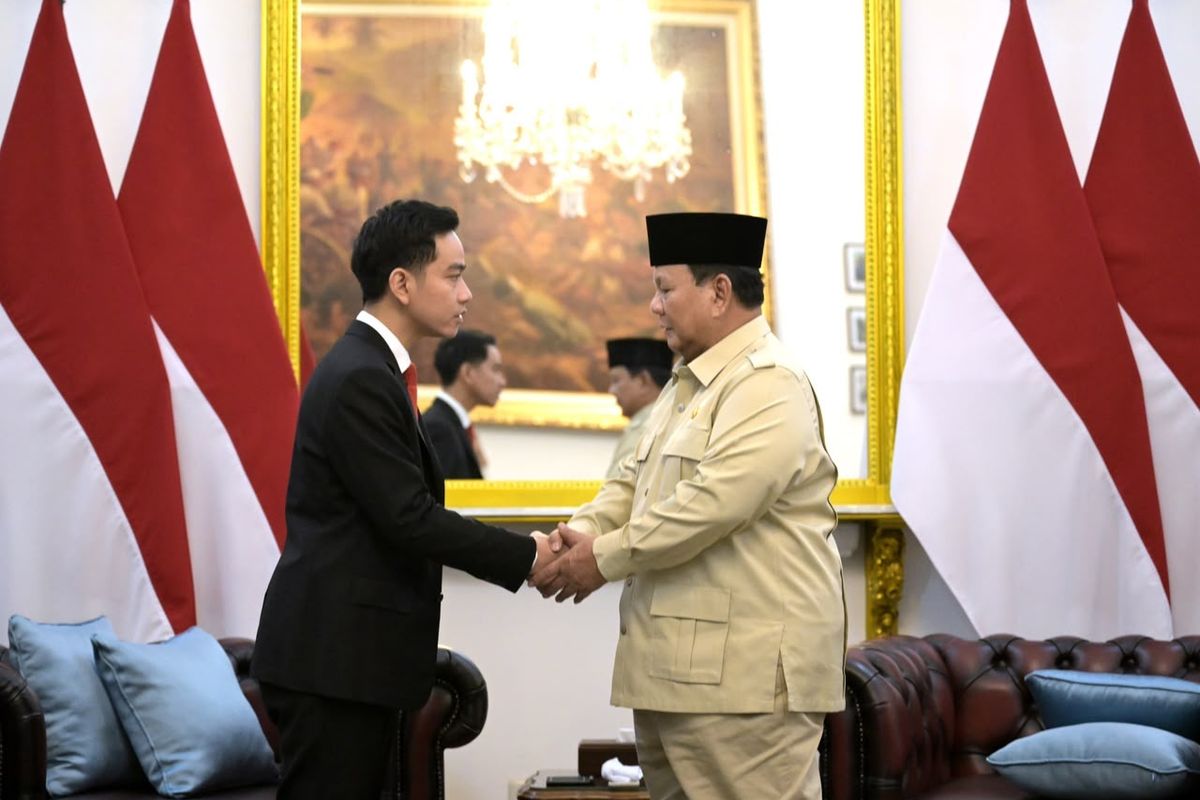
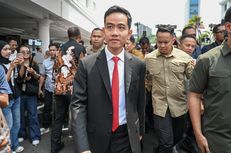
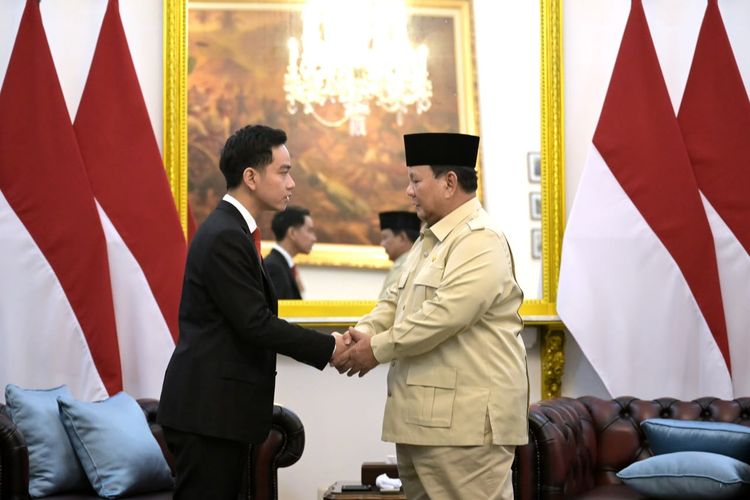
GIBRAN Rakabuming Raka has officially submitted a letter announcing his resignation as Vice President on Thursday, November 12, 2026. The political dynamics are expected to heat up further as a new vice president is to be appointed.
The upcoming vice presidential election might not hold significant importance for Gibran's loyalists anymore. For them, one thing is clear: Gibran is no longer vice president.
This is a reality they have long been reluctant to accept, but it has ultimately come to pass.
How will Gibran's loyalists cope with this? What direction will they take? Gibran has yet to indicate his plans.
In his resignation statement, he expressed that one chapter of his life has ended and closed.
He added that he “will always be loyal to the people of Indonesia, whatever the circumstances.”
Although this narrative conveys a commitment to public service, it is insufficient to predict whether he will engage in politics again.
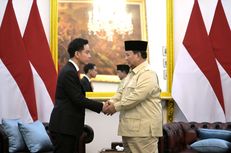
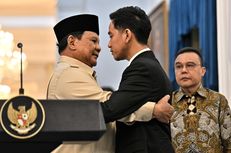
Meanwhile, at the Vice Presidential Palace, the high-level political event quickly transformed into an emotional drama.
Hundreds of volunteers welcomed Gibran's return with tears, supportive banners, and rows of small business stalls.
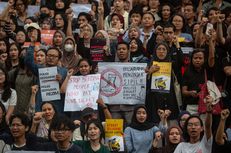
In public spaces and on social media timelines, various narratives defending him emerged. Sadness, anger, and even humor for self-comfort were all displayed.
This phenomenon is interesting to analyze as both a political communication maneuver and a mechanism for collective psychological defense.
How are Gibran's loyalists handling the cognitive dissonance they face? Can this cognitive dissonance provide insight into how they shape their future as Gibran's loyalists?
In social psychology, the condition experienced by these loyalists is known as cognitive dissonance.
The theory introduced by Leon Festinger in 1957 explains the mental discomfort that arises when a person holds two conflicting beliefs or when new facts challenge old beliefs that have become entrenched. This is the situation Gibran's loyalists are currently facing.
Over the past two years, supporters believed Gibran represented a young leader who would disrupt the status quo. He was expected to have full legitimacy until 2029.
The reality, however, tells a different story. He must step down mid-term due to controversies surrounding the administrative requirements for candidacy.
This creates a significant conflict in the minds of his loyalists. To alleviate this psychological pain, according to Festinger, a defense mechanism must form to dispel discomfort.
This includes creating new narratives to prevent their old beliefs from completely collapsing.