
Reasons for Vice President's Resignation: Prabowo Talks Education, Gibran Denies Diploma Issues
-
News
-
4 minutes ago
This article was translated by AI. Read the original article on Kompas.com. See Original
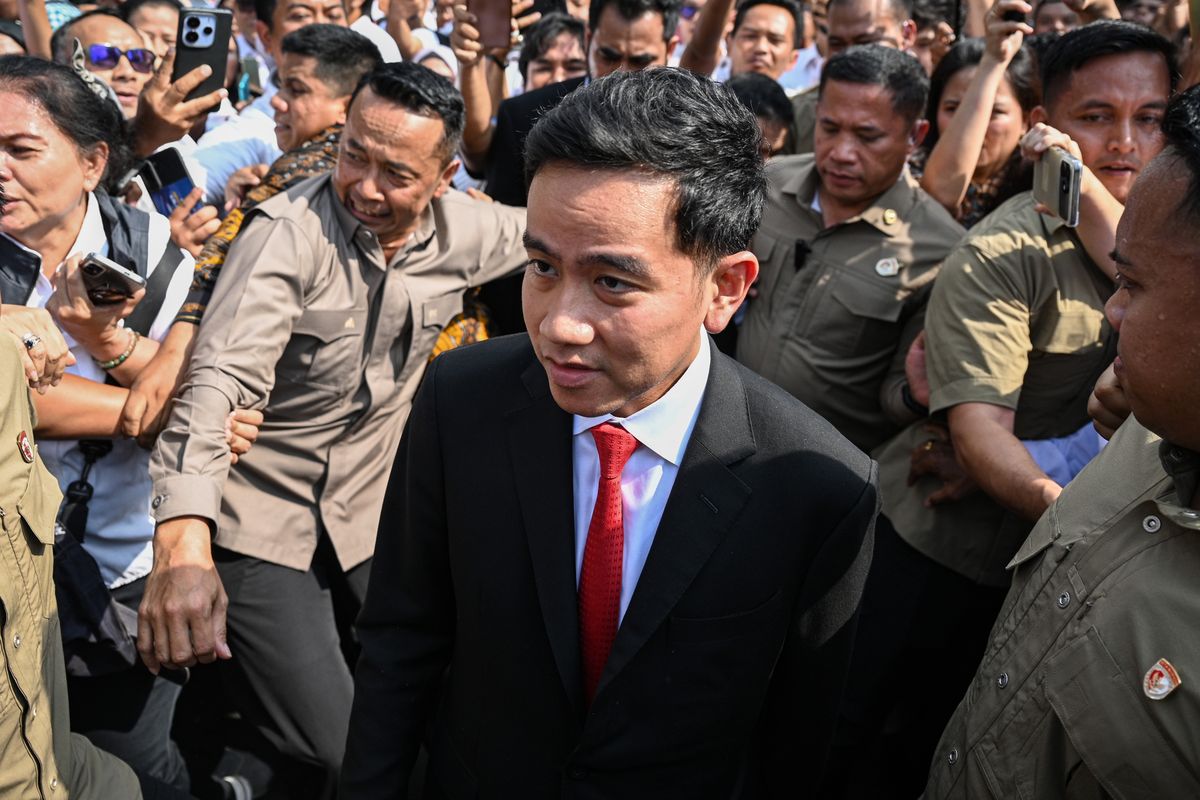
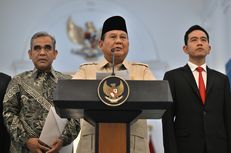
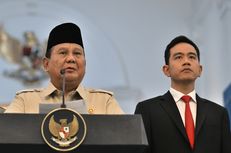
AFTER Gibran Rakabuming Raka resigned from his position as vice president, the People's Consultative Assembly (MPR) has a maximum of 60 days to convene a meeting to elect a new vice president, selecting one from two names proposed by the President.
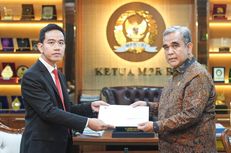
Gibran submitted his resignation to the President and MPR leadership on November 12, 2026.
Now, all political parties seem to be targeting this position, including large community organizations.
They are promoting the issue of their candidates' prominence across various media, including social media.
Politically, choosing a candidate from one party may disrupt the chemistry of relationships with other parties.
Similarly, when the President chooses a figure from a community organization, it can create the impression that the President favors that organization.
Therefore, considering proposing a religious leader who is accepted by all religious organizations, or is not perceived as a member or official of any one, could be a middle ground.
This figure is expected to be accepted by various groups, without making any political or community group feel favored.
A religious leader can create a conducive social climate, especially if the chosen individual is accepted by the majority across organizational and party lines.
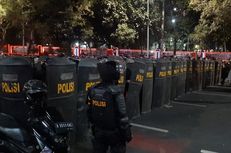
A senior religious leader with broad acceptance can help the President forge peace after the political escalation that strained relations among community groups leading up to Gibran's resignation.
Moreover, the challenges of public policy amid geopolitical instability, pressure on the rupiah exchange rate, investor confidence issues, and fiscal vulnerability require a practical figure who understands state affairs.
Developments in the MSCI index evaluation are also a concern for Indonesia's capital market.
In its November 2026 review, MSCI announced the removal of two stocks from the MSCI Indonesia Index, with no new stocks added.
The need for disaster mitigation, as repeatedly warned by the Meteorology, Climatology, and Geophysics Agency (BMKG), also expands these challenges.
The El Niño and La Niña dynamics, during their respective phases, affect agricultural economics and water availability.