
Firli Bahuri Case Reopened, Police Visit Him Due to Two Failed Questionings
-
News
-
8 minutes ago
This article was translated by AI. Read the original article on Kompas.com. See Original
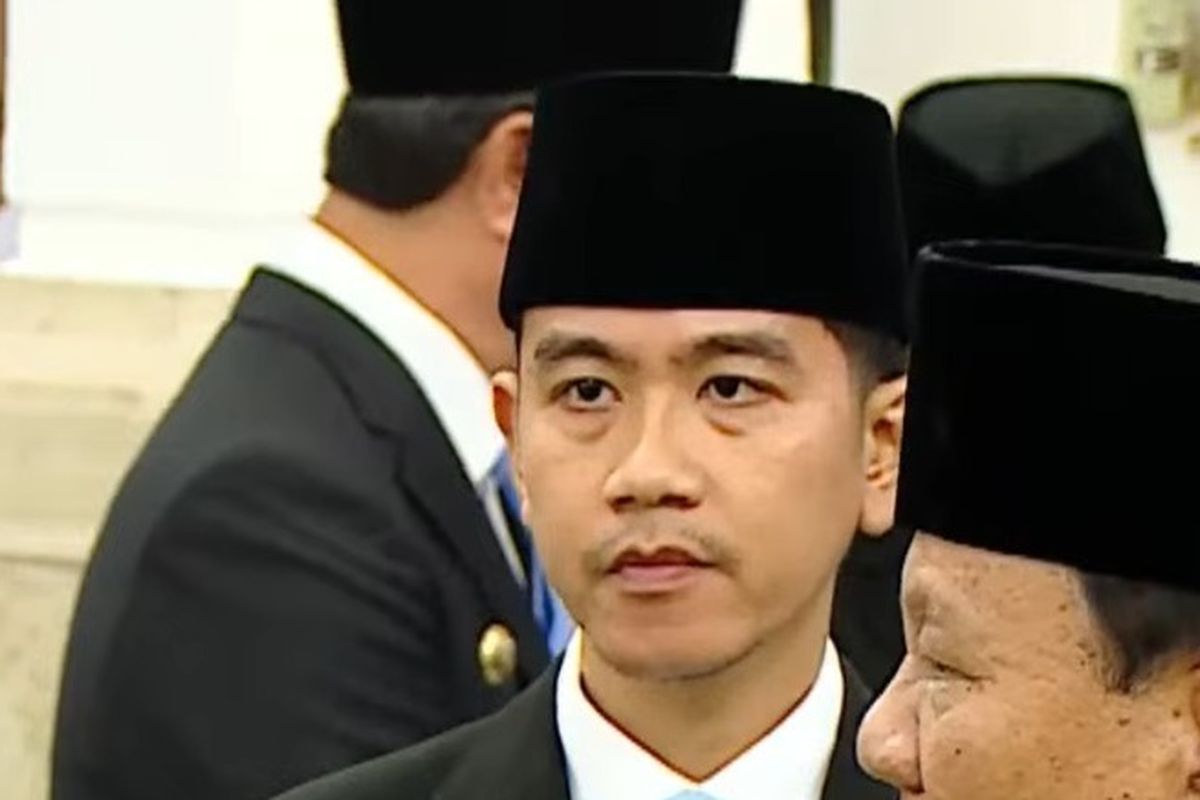
In his view, resignation is an option that can be pursued through constitutional mechanisms as regulated in Article 8, Paragraph (2) of the 1945 Constitution.
"I believe resigning is far better so that the constitutional energies are not drained over the issue of a vice president who failed to validate his diploma," said Herlambang.
He reiterated that Gibran's resignation could spare the country from an impeachment process that may drain political and constitutional energy.
"It’s better for Gibran to resign than go through an impeachment that will exhaust political and constitutional energies, especially as Indonesia is facing many other fundamental issues," he noted.
If Gibran chooses not to resign, impeachment procedures must follow the constitutionally mandated processes.
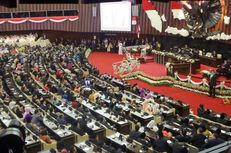
Herlambang explained that this process begins in the House of Representatives, followed by testing by the Constitutional Court, with the final decision resting with the People's Consultative Assembly (MPR).
Meanwhile, if there is a vacancy in the vice presidency due to resignation, Article 8, Paragraph (2) of the 1945 Constitution states that the president must propose two vice presidential candidates to the MPR.
Both candidates should come from party or coalition party groups that nominated the elected presidential and vice presidential pair in the previous election.
Furthermore, the MPR must hold a plenary session no later than 60 days after the vacancy occurs to select one of the two candidates proposed by the president.
Apart from whether Gibran will resign or face impeachment, Herlambang emphasized that the issue of the validity of educational documents and the vice presidential nomination process should not conclude with Gibran's position.
According to him, the House of Representatives needs to follow up on findings from the rulings of the Constitutional Court and the Supreme Court, particularly regarding the parties involved in the process that allowed Gibran to be a vice presidential candidate.
He believes there may be criminal elements if individuals are found complicit in actions related to electoral offenses.
"Even if Gibran resigns, the DPR is expected not to remain silent about the findings in the rulings of the MK and MA, particularly about the involvement of those who facilitated Gibran’s candidacy, as this could very well constitute criminal acts associated with electoral wrongdoing," Herlambang warned.
For this reason, he urged the DPR to persist in questioning the electoral process, including the performance of the Election Commission (KPU).
The law enforcement institutions are also urged to take action if criminal elements are discovered.
"This means the DPR must continue to question and law enforcement agencies must act if any elements of criminality are found," he stated.
Herlambang underscored that Gibran’s resignation should not serve as a reason to halt investigations into alleged issues within the nomination process and electoral conduct.