


Building Resilience Against Forest and Land Fires
-
News
-
21 minutes ago
This article was translated by AI. Read the original article on Kompas.com. See Original
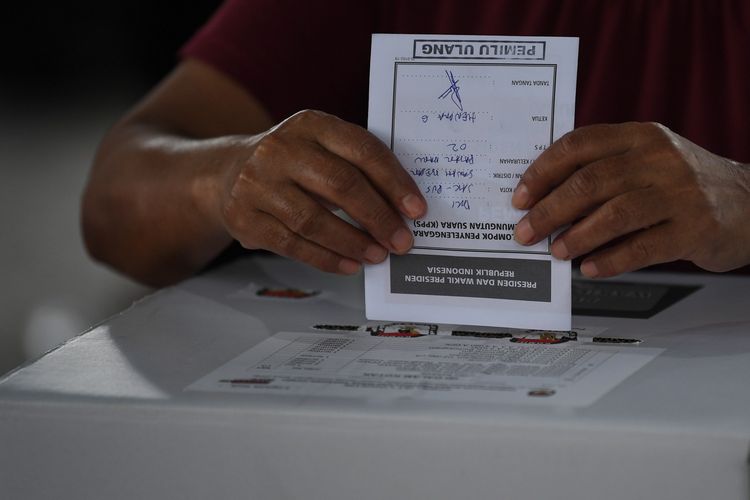
Third, the MK also decided that national elections would be separated from local elections starting in 2029. This is outlined in Decision No. 135/PUU-XXII/2024.
This means that national elections will only be aimed at electing members of the DPR, DPD, and the president/vice president, while local elections will be aimed at electing members of the provincial to district/city DPRD, which will be held concurrently with local elections.
In legal considerations, the MK proposed that the legislative elections (Pileg) held in conjunction with local elections should be conducted at the earliest two years after the inauguration of the president/vice president. Or at the latest, two years and six months after their inauguration.
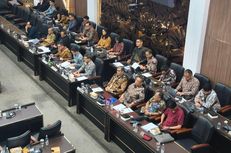
Fourth, the MK subsequently issued a decision regulating minimum women's representation of 30 percent in several council structures (AKD) of the DPR.
In Decision No. 169/PUU-XXII/2024, the MK stipulated that every AKD, from commissions, the Deliberative Body (Bamus), special committees (Pansus), the Legislative Body (Baleg), the Budget Body (Banggar), the Inter-Parliament Cooperation Body (BKSAP), the House Honorary Council (MKD), to the Household Affairs Body (BURT), must have women’s representation.
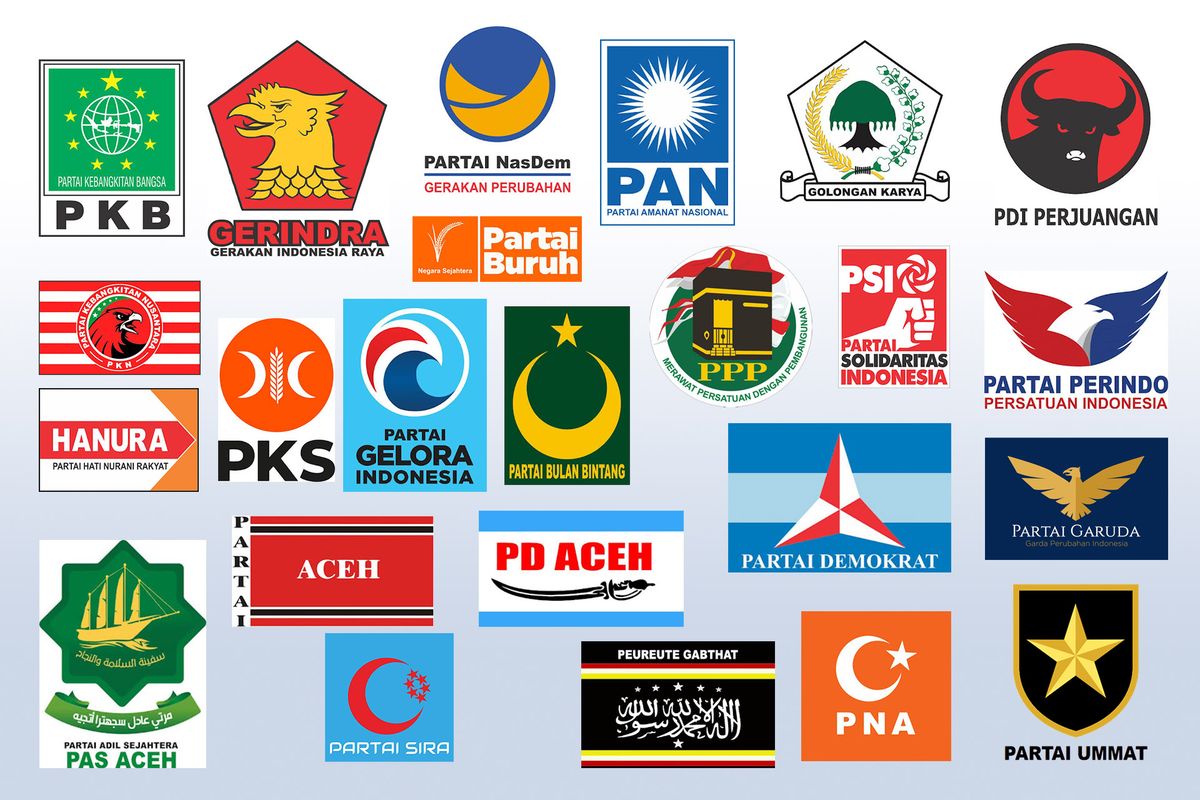
Fifth, the MK regulated sanctions for political parties that do not meet the minimum quota of 30 percent women's representation in the submission of candidacies for DPR, provincial DPRD, and district/city DPRD members in elections.
In MK Decision No. 128/PUU-XXIV/2026, which was partially granted, the Court added a provision that the KPU at every level may dismiss political parties that do not meet the minimum requirement of 30 percent for women candidates.
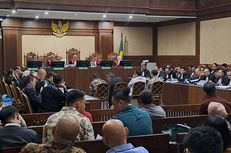
"As regarding the sanctions for political parties participating in the elections, it has already been factually implemented, so to ensure that the spirit of Article 28H, paragraph 2 of the 1945 Constitution is genuinely realized in filling out the candidate list for DPR/DPRD members, political parties that do not meet the 30 percent quota for women representation must be given strict sanctions," said MK Judge Adies Kadir while reading the Court’s considerations on Monday (25/5/2026).
Adies explained that this clarification is necessary to realize the principle of people's sovereignty in a fair electoral contest.
Especially, in efforts to reduce discrimination against the number of women’s representation in the DPR/DPRD.
"Thus, the regulations concerning the candidate list that includes a minimum of 30 percent women representation in the norms of Article 245 of Law 7/2017 must be interpreted and supplemented with sanctions for political parties participating in the elections to be excluded or dismissed. This way they do not participate in the electoral contest in electoral districts that do not meet the aforementioned requirements as stipulated in the verdict of the relevant decision," stated Adies.