

Minister of Defense Sjafrie Gathers Kemhan Officials at Unhan
-
News
-
9 minutes ago
This article was translated by AI. Read the original article on Kompas.com. See Original
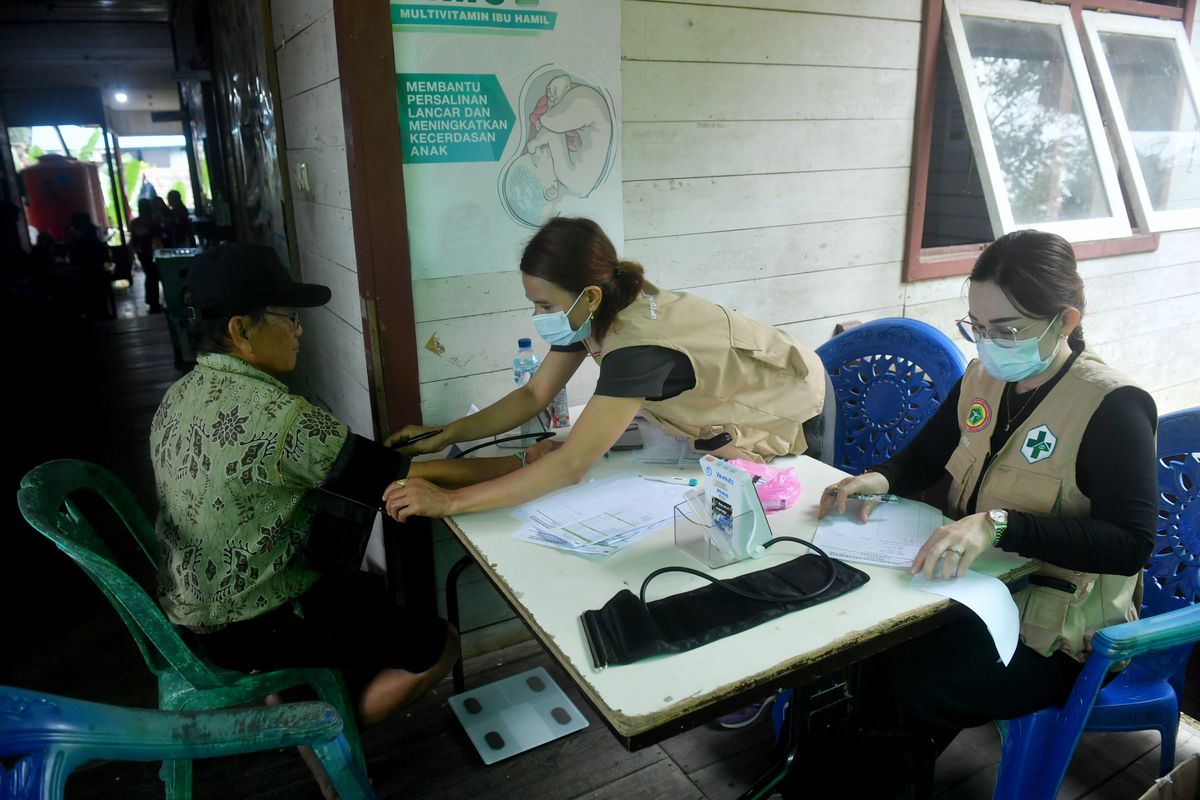
The government still has policy space through expenditure priority evaluations, financing efficiency, adequate service tariff setting, and remuneration system improvements. Moreover, healthcare workers' rights have been legally recognized.
Article 273, paragraph 1, letter c of Law No. 17 of 2023 on Health stipulates that healthcare professionals and workers are entitled to a fair salary or wage, compensation, and performance bonuses as per statutory regulations.
Regulation No. 28 of 2024 details income arrangements. Article 725 stipulates income according to position and work relationship.
Meanwhile, Article 726 includes remuneration considerations at public healthcare facilities, including competencies, specializations, work duration, workload, job risks, and placement.
This provision holds significant consequences. The appropriateness of healthcare workers' income has become part of legal norms requiring implementation, supervision, and evaluation.
For regional hospitals, this issue is more pressing. Specialist and sub-specialist doctors undergo long education with significant competency investments.
When facilities are limited, workloads high, and professional rewards inadequate, hospitals' ability to retain competent staff may be compromised.
The impact is directly felt by the public through limited specialist services, long wait times, and increased referral needs to other facilities.
Building hospitals without policies capable of retaining professional staff risks producing physical investments that are not optimally utilized.
Therefore, improving healthcare workers' welfare requires evaluating real service costs against JKN tariffs, transparency in revenue sharing, competency-based remuneration, and placement incentives considering geographic challenges and service needs.
Article 28D, paragraph 2 of the 1945 Constitution guarantees fair and just compensation and treatment within working relationships.
Article 28H, paragraph 1 ensures the right to health services, while Article 34, paragraph 3 emphasizes the state's responsibility to provide adequate healthcare facilities.
All three place the rights of professionals and patients as interconnected parts in healthcare service provision.
Fiscal ability must still be respected. The government cannot set expenditures without considering funding sources and their sustainability.
However, fiscal discipline also demands distinguishing between resource limitations and prioritizing issues and usage efficiency.
Ultimately, healthcare workers' welfare becomes a broader measure than professional income. This issue illustrates how a state values competencies, manages service risks, and maintains the sustainability of the health system.