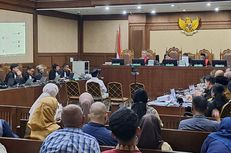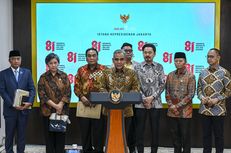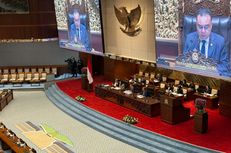

Officially Ratified by the DPR, Asset Seizure Law Confirms Death Penalty for Corruptors
-
News
-
4 minutes ago
This article was translated by AI. Read the original article on Kompas.com. See Original
OUTSIDE the realm of medical diagnosis, there lies a critical distinction between patients who are sent home and those who are free from risk.
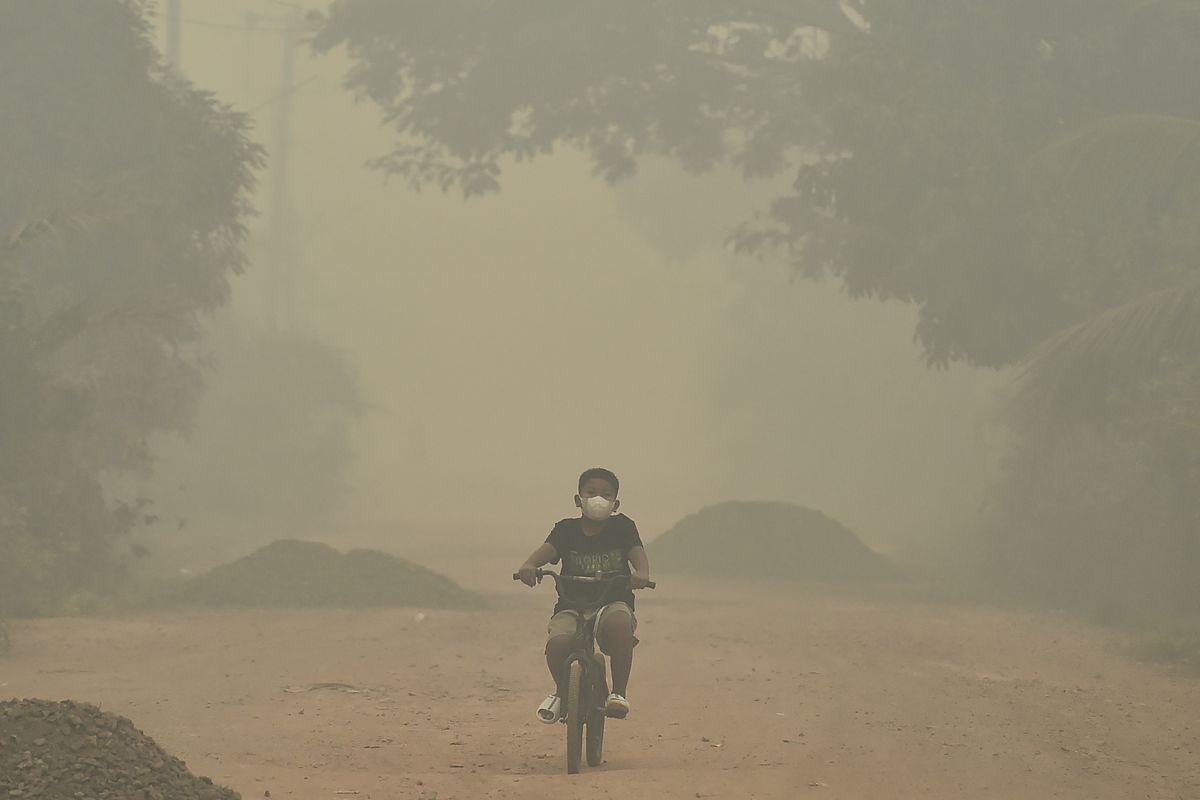
This difference might seem trivial until we consider the tens of thousands of toddlers suffering from acute respiratory infections (ARIs) in regions ravaged by forest fires.
Health Minister Budi Gunadi Sadikin stated that ARIs generally do not require hospitalization; such a statement is hardly surprising.
Doctors have long utilized clinical assessments to determine the need for hospitalization.
However, disease prevalence rates at the population level cannot be interpreted with the same logic applied to an individual patient in an examination room.
According to a report from the Ministry of Health in October 2026, there were 333,470 cases of ARIs in areas affected by forest fires, including 75,172 cases among toddlers.
We cannot yet conclude that all these cases are due to smoke exposure.
ARIs have various etiologies, and the relationship between environmental exposure and disease requires epidemiological testing.
This is where the issue arises. We have case counts, but lack a clear picture of the additional disease burden that can be attributed to the fires.
Without comparative incidence data, at-risk populations, air quality data, and control of confounding factors, cumulative figures do not adequately explain the magnitude of health impacts.
Scientific literature has advanced far beyond the debate over whether ARIs require hospitalization.
A systematic review from 2025 on smoke exposure in children indicated a correlation with increased respiratory disorders, although the strength of evidence and effect sizes vary.
PM2.5 particulates can reach the distal airways, activating inflammatory responses and oxidative stress, and exacerbating respiratory conditions.
Children are not just small adults. Their lung development, ventilation patterns, and reliance on their living environment expose them to different risks.
Treating acute episodes does not automatically eliminate exposure that may last for days.