
Densus 88 Arrests 15 Terrorists from NII, JAD, and AD Networks
-
News
-
10 minutes ago
This article was translated by AI. Read the original article on Kompas.com. See Original
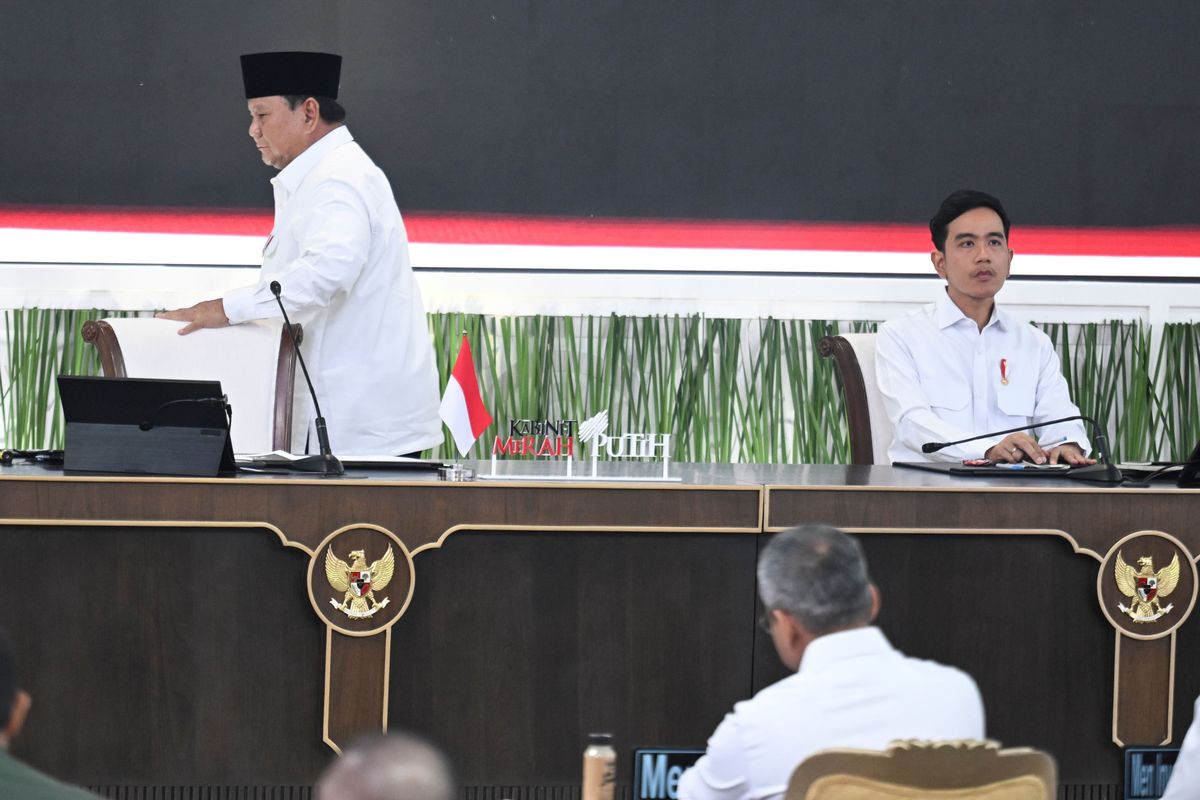
Following the ruling, a letter dated October 7, purportedly from DPR member Tonny Tesar of NasDem, proposing Gibran's dismissal, began circulating.
NasDem leadership denied that the letter represents the party's official stance. As its authenticity has yet to be directly confirmed, the letter should not be regarded as evidence of a pre-agreed impeachment agenda.
On October 12, the Civil Collective Alliance met with Ahmad Doli Kurnia to advocate for the DPR's investigative rights concerning Gibran's educational qualifications. This clearly indicates the expression of aspirations.
However, agreeing to a meeting does not equate to endorsing an investigative right, let alone initiating a dismissal process.
Both incidents show how legal issues have entered the political arena but still demonstrate a lack of elite coordination aimed at ousting the vice president.
This distinction is crucial to ensure that public criticism is not easily branded as a conspiracy and that political maneuvers are not baselessly accused.
In coalition politics, controversial issues can indeed serve as tools for measuring bargaining positions. Actors not intending to displace officials may leverage debates to assert influence.
However, such analyses remain hypothetical until actions, communications, or decisions supportive of them emerge.
Prabowo's supporting coalition is broad enough to sustain the government, but breadth does not automatically extinguish competition.
Parties can collaborate within the cabinet while maintaining their identities and weighing their electoral prospects. Today's cooperation does not negate calculations regarding the next election.
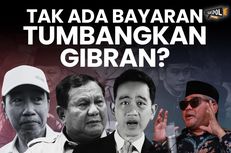
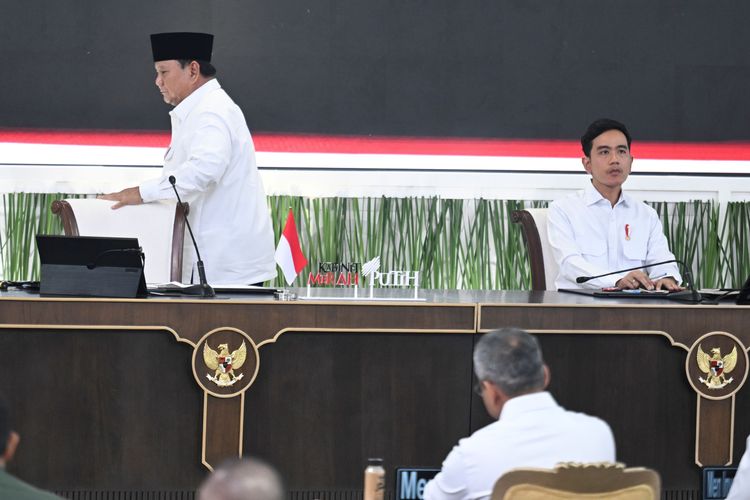
Gibran's position is sensitive due to his being at the intersection of Prabowo's mandate and Jokowi's shadow.
However, concluding that any criticism of him constitutes a planned attack on Jokowi is just as erroneous as assuming every defense of him is merely a dynastic protection.
A more reliable measure would be institutional actions: whether factions propose official motions, whether the DPR makes decisions, and whether coalition support changes.
Without such indicators, the uproar could still signify merely a discourse competition, not a shift in power.
Investigative rights and impeachment are two distinct mechanisms. Investigative rights serve as a monitoring instrument with particular conditions and objects. It is not a shortcut to removing a vice president.
Article 7A of the 1945 Constitution regulates the reasons for the president and vice president's removal, including specific legal violations, immoral acts, or failure to meet qualifications.
Article 7B establishes a layered process involving the DPR, Constitutional Court, and People's Consultative Assembly (MPR). DPR requests to the Constitutional Court require the backing of at least two-thirds of the members present in a plenary session attended by at least two-thirds of DPR members.
Even if the Constitutional Court validates the DPR's stance, the final decision still must be processed in the MPR in compliance with constitutional criteria.
Thus, a ruling in an election result dispute does not automatically replace the evidentiary requirements in impeachment mechanisms.
Herein lies the distinction between political criticism and legal consequences. The public is free to demand explanations and accountability. The DPR is empowered to exercise oversight in accordance with regulations.