

Densus 88 Arrests 15 Terrorists from NII, JAD, and AD Networks
-
News
-
10 minutes ago
This article was translated by AI. Read the original article on Kompas.com. See Original
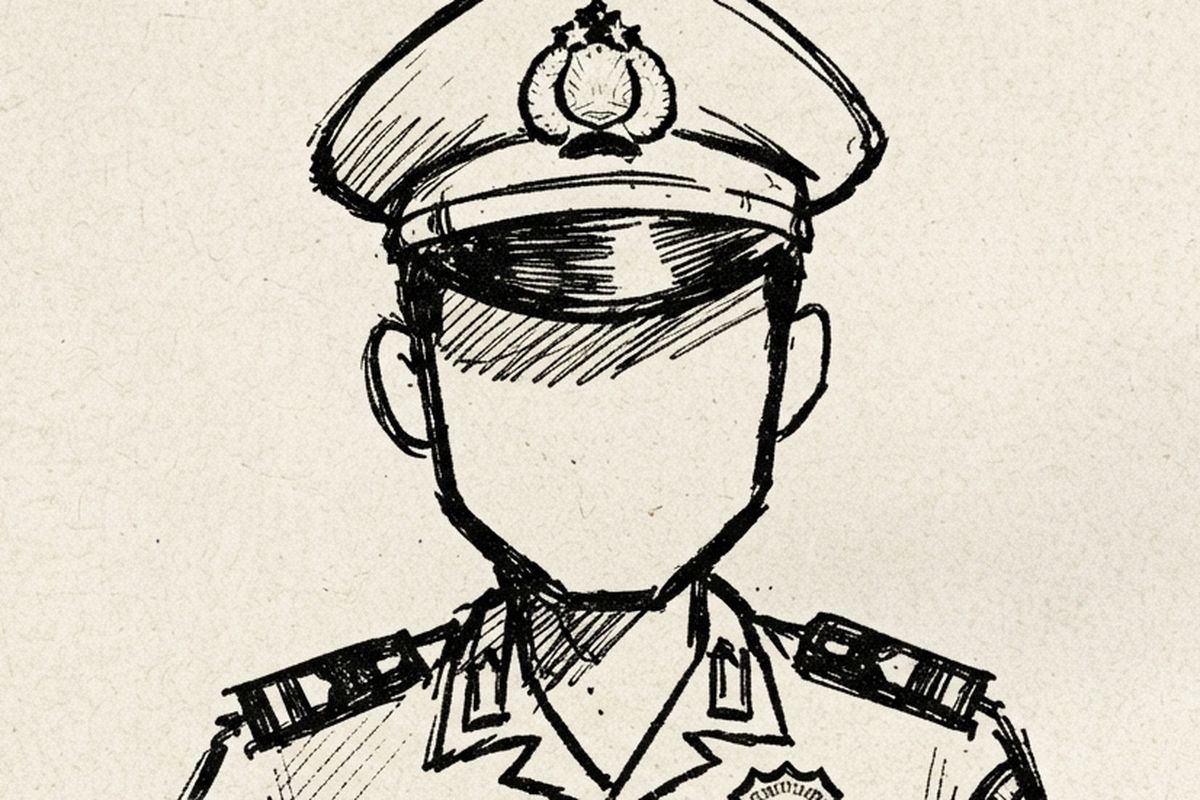
RECENTLY, the figure of Surakarta Police Chief AKBP Candra Sasongko, affectionately known as Mbah Con, has become a hot topic on social media.
Through the TikTok account @polisi.pedesaan, police activities are showcased in a relaxed, humorous style that is close to community life.
According to circulating numbers, the account has attracted hundreds of thousands of followers and millions of likes.
These figures are not just statistical popularity; they indicate that the public is interested in seeing police officers not only while managing traffic or enforcing the law, but also as human beings who can joke, listen, and engage.
Police uniforms often convey two paradoxical impressions: a sense of security and a sense of intimidation.
For some citizens, encountering police means dealing with rules, inspections, or legal matters.
This psychological distance does not always stem from poor experiences but can often arise from an image of authority that is overly formal, stiff, and hard to approach.
Therefore, the emergence of humorous and approachable police offers an important lesson: closeness can begin with something simple, like smiles and laughter.
Of course, virality is not the sole measure of an institution's success. Entertaining content can attract attention, but public trust is built over a longer period than social media trends.
Nonetheless, Mbah Con's style opens a communication gateway worth noting.
Humor lightens the mood, makes messages easier to digest, and reduces the impression that police always stand apart from the community.
When citizens feel comfortable approaching, communication regarding safety, order, and law is more likely to occur openly.
Research about police-community relations supports the importance of positive interactions.
For instance, experiments by Peyton, Sierra-Arévalo, and Rand (2019) found that a single positive experience with police can improve citizens' views on police legitimacy and their willingness to cooperate.
Furthermore, a study by Ralph (2021) also shows that police legitimacy on social media is shaped through ongoing communication between officers and the public.