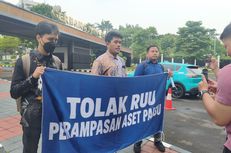
ICW Reports Puan Maharani and Habiburokhman to MKD Over Approval of Asset Confiscation Law
-
News
-
12 minutes ago
This article was translated by AI. Read the original article on Kompas.com. See Original
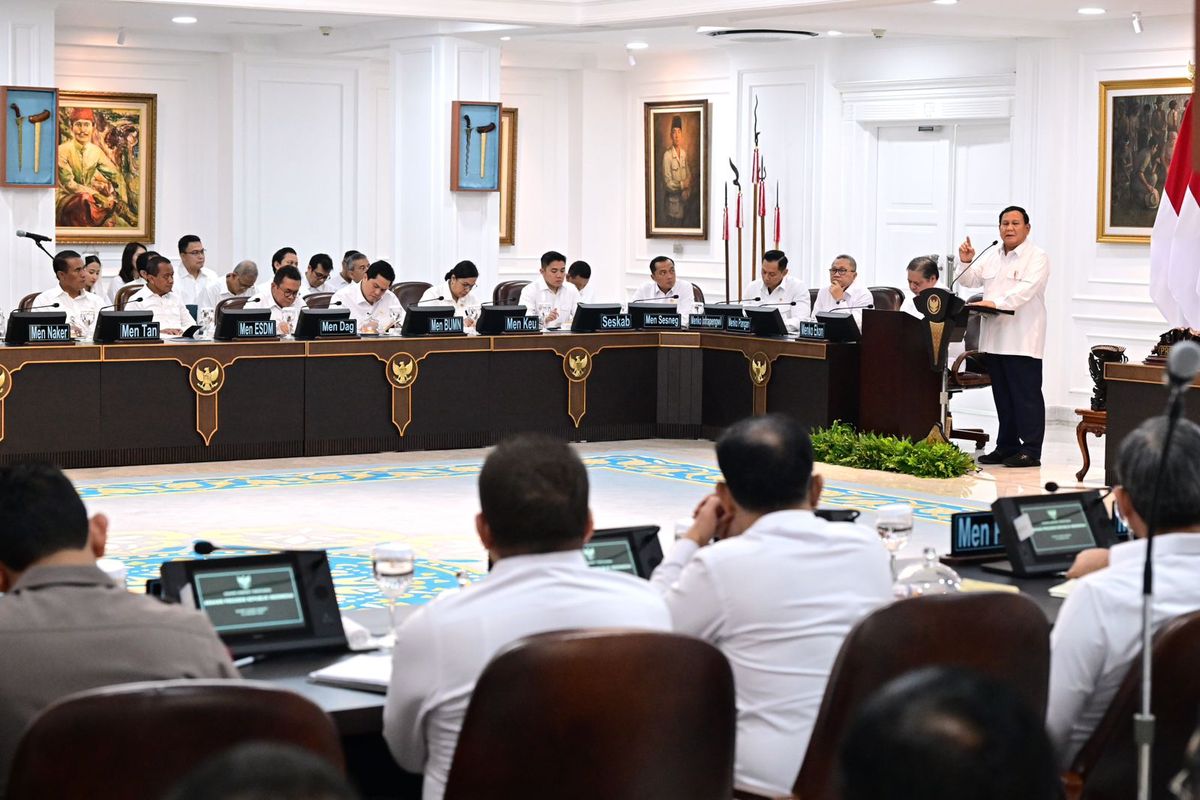
However, the deeper issue lies in party leadership. A party chair is not just an ordinary government official; they have political influence over their party members in parliament.
Thus, it is worth considering rules that restrict or prohibit party chairpersons from concurrently serving as ministers in the cabinet. The goal is not to weaken political parties or diminish the President's right to form a cabinet, but to strengthen the independence of parliament.
Democracy is not enough to simply have institutions that are formally separated. Democracy requires institutions capable of exercising their authority without being shackled by political relationships.
Ultimately, this issue is not merely about Gibran. It is about the DPR. It is about the government. It is about political parties. Most importantly, it is about how the constitution functions in the face of political interests.
If we want checks and balances to operate earnestly, then the lines between overseeing power and the power being overseen must be drawn as clearly as possible.
Let it not be that the parliament is legally outside the government but politically finds itself overshadowed by the government.