

National Police: Allegations of Treason by Listyo Sigit and Others Move to Investigation Stage
-
News
-
2 minutes ago
This article was translated by AI. Read the original article on Kompas.com. See Original
Both elements are intertwined within an integrative approach to risk and emergency communication (Reynolds and Seeger, 2005).
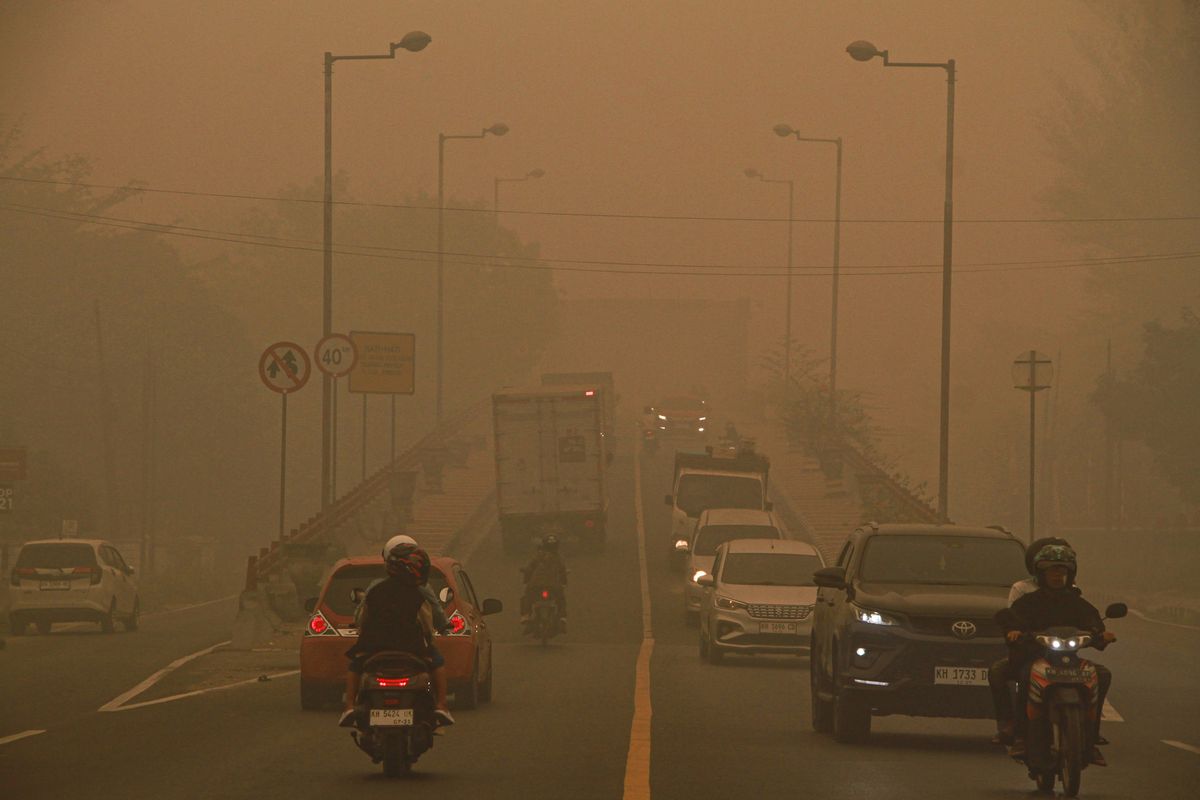
Without effective risk communication, efforts to prevent land burning and educate about the impacts of smoke will be consumed by the flames.
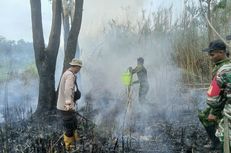
So, when the fire blazes, the public needs more than a statement that the situation is being managed.
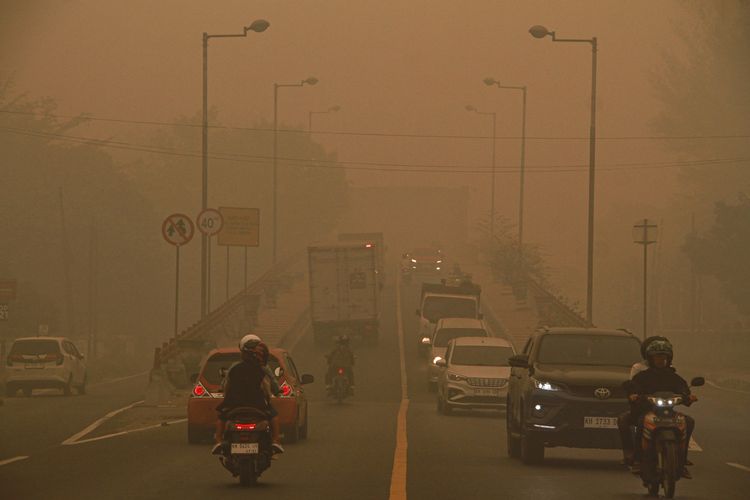
They require explanations about affected areas, air quality, health services, evacuation routes, and places for seeking help.
Ambiguity regarding casualty data, the spread of hotspots, and evacuation guidance will create a data void that incites panic, disinformation, and undermines the legitimacy of disaster management in the eyes of the public.
The government cannot battle the fires alone either. Addressing Karhutla requires broad community involvement—at least from domestic citizens, if there is still reluctance towards international support.
However, this involvement must be supported by useful information, not mere calls for calm or exhortations against spreading unclear news.
The absence of valid and open data can also breed public suspicion and algorithmic hallucinations in the digital space.
It is essential for the government to carry out data consolidation across agencies transparently and publish it regularly, covering hotspot data, the number and condition of affected casualties, evacuation points, and transparency in law enforcement against land burn perpetrators.
Komdigi could be empowered to enhance coordination in disseminating public information, while the validation of data remains the responsibility of technical agencies according to their authority.
The public does not require uniformity in narratives, but rather consistency in data and openness in explanations.
If information is still provisional, say so. If there are errors, correct them openly.
The channels of communication should not solely rely on official websites, conventional media, and social media. Safety information needs to reach citizens through village devices, health facilities, local radio, volunteers, and other channels truly used by affected communities.
Transparency in data and consistently coordinated narratives are absolute prerequisites for building public trust and mobilizing effective emergency response actions (Reynolds & Seeger, 2005).
Without reliable crisis information management, the digital space will continue to be torn apart by speculation.
Urban netizens may be loud on digital platforms, while those living near forests continue to bear the impact of disasters without clear safety navigation.