

National Police: Allegations of Treason by Listyo Sigit and Others Move to Investigation Stage
-
News
-
2 minutes ago
This article was translated by AI. Read the original article on Kompas.com. See Original
Adding to this discourse, Harold Innis (1951) explained that each medium carries a particular bias towards space or time.
Modern digital media clearly emphasizes speed and the broad reach of information. This characteristic allows false information or machine errors (hallucination) to spread rapidly among the public before they can be verified.
Even after Meta AI provided clarifications, the initial misleading information continues to circulate widely.
Initial claims, especially those that are emotional and sensational, often spread much farther and wider than subsequent corrections.
This is because information that triggers psychological reactions is amplified by platform recommendation algorithms and deeply embedded in public perception before factual processes can catch up (Vosoughi et al., 2018).
It's indeed problematic. And it will only become more complex as artificial intelligence increasingly dominates public discourse.
Such a giant as Meta AI should no longer hide behind excuses of "technical errors" or mere hallucinations.
They bear an ethical responsibility to implement far stricter safeguards on their AI systems, particularly when touching on public policy, law, and sensitive societal issues.
If users are complaining about reach limitations, platforms must also provide verifiable explanations.
This demand for transparency regarding the reasons for restrictions, as well as mechanisms for complaints and appeals, has also been communicated by Komdigi in response to this controversy.
On the other hand, the government along with society needs to foster a new kind of critical literacy, one that encourages viewing artificial intelligence not as an oracle of truth.
Clearly, AI is merely a language processing machine whose output must be reassessed. The controversy between Meta AI and Komdigi teaches us this lesson very clearly.
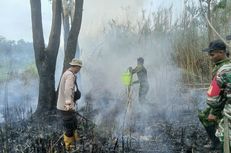
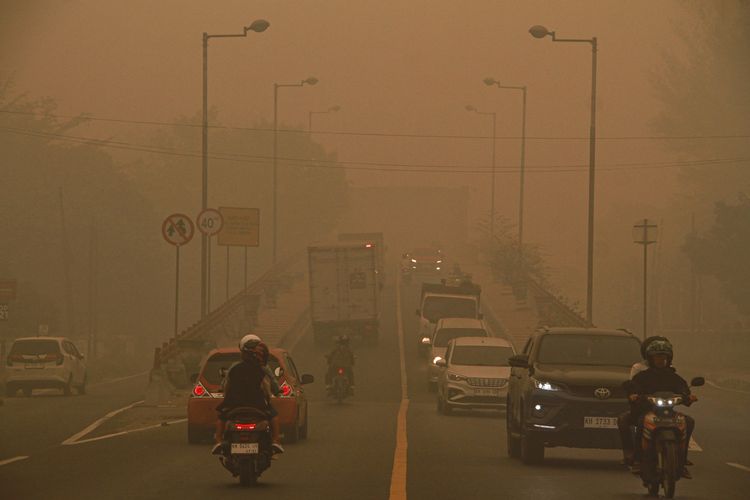
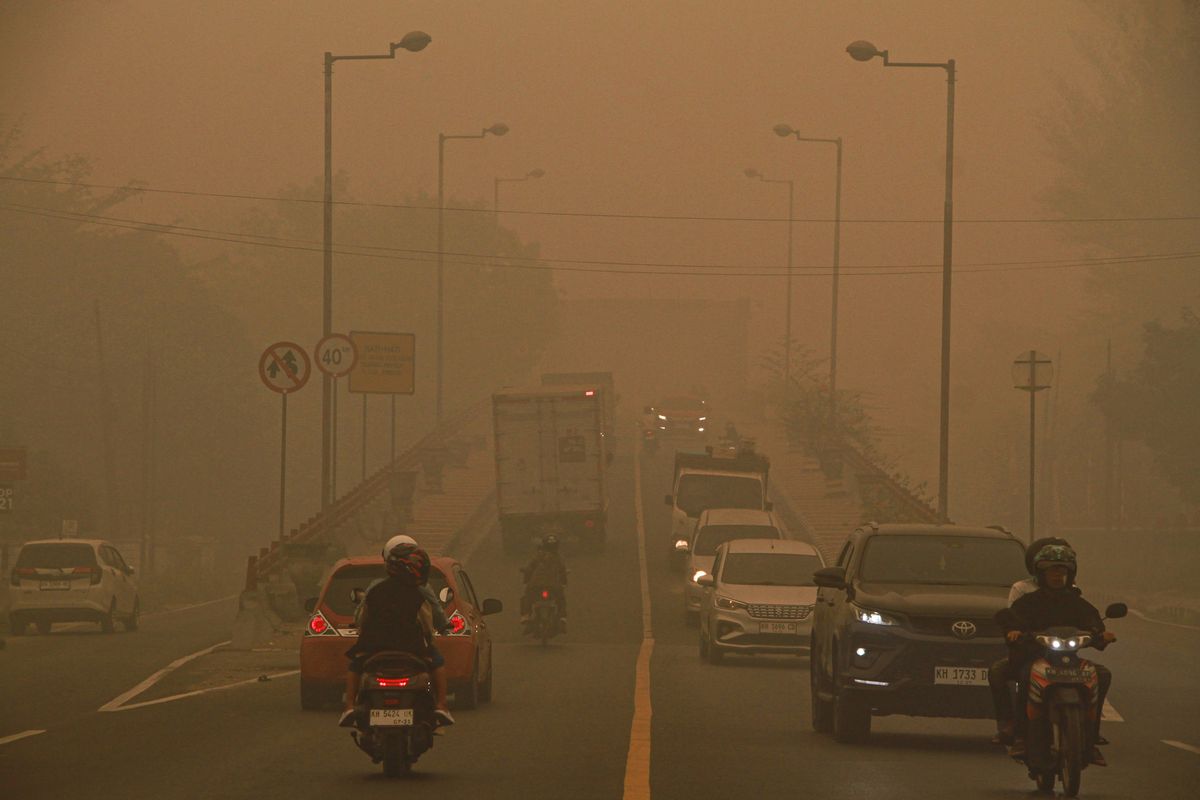
Another takeaway is that government communication in addressing Karhutla needs significant improvement. There's no longer room to treat communication, crisis communication, and risk communication as mere supplementary aspects of managing Karhutla.
Risk communication helps the public comprehend threats and take protective actions.
Crisis communication adds a sense of urgency when disasters occur, so information must be quick, accurate, coordinated, and actionable.