
More Loved After Becoming a Former Leader
-
News
-
35 minutes ago
This article was translated by AI. Read the original article on Kompas.com. See Original

JAKARTA, KOMPAS.com - The fight against corruption in Indonesia has never solely involved bribery but also actions that harm the state’s finances.
The element of state loss is a crucial part of several definitions of corruption, particularly when public officials abuse their authority.
Now, the application of this element has sparked debate following a proposal to redefine corruption offenses based on international standards.
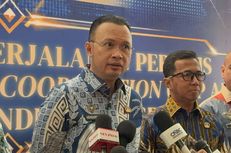
National Economic Council (DEN) Chairman Luhut Binsar Pandjaitan has suggested to President Prabowo Subianto that state loss should no longer be included in the definition of corruption.
Luhut argues that the United Nations Convention Against Corruption (UNCAC), which Indonesia ratified through Law No. 7 of 2006, focuses primarily on bribery.
"We refer to the UN Charter regarding the definition of corruption, where corruption is defined as bribery in the UN Charter, which Indonesia ratified 20 years ago. It doesn’t mention state loss," Luhut stated at Merdeka Palace in Jakarta on Wednesday (21/10/2026).
He noted that the President approved the DEN's study on changing the definition of corruption to align with international standards.
This proposal also garnered support from the Coordinating Minister for Law, Human Rights, Immigration, and Corrections, Yusril Ihza Mahendra.
According to Yusril, the definition of corruption in Indonesia needs updating as it makes government officials and state-owned enterprise (BUMN) executives hesitant to make business decisions that could lead to losses.
However, this proposal remains a topic of discussion and requires deeper analysis.
Justice Minister Supratman Andi Agtas stated that any changes to the law need prior discussion as they involve provisions in legislation.
So, is it true that UNCAC only regulates bribery and does not cover state losses?
What are the legal consequences if the element of financial loss to the state is removed from the definition of corruption offenses in Indonesia?