

Head of Bakom Did Not See PSI at Prabowo's Meeting with Party Leaders at Bogor Palace
-
News
-
9 minutes ago
This article was translated by AI. Read the original article on Kompas.com. See Original
TWO years have passed since the leadership of President Prabowo Subianto and Vice President Gibran Rakabuming Raka took charge of the Republic of Indonesia.
The political honeymoon is over, replaced by the harsh realities of governance.
Asta Cita, touted as the golden roadmap to national greatness, now faces a thick wall named budget constraints.
The noble vision encompassing eight main missions and quick-result programs is beginning to be tested by time.
Numerous achievements have indeed been made, yet the shadows of unfulfilled promises are becoming increasingly visible to the public eye.
The main problem lies in the chasm between high political ambitions and the narrow fiscal space of the state.
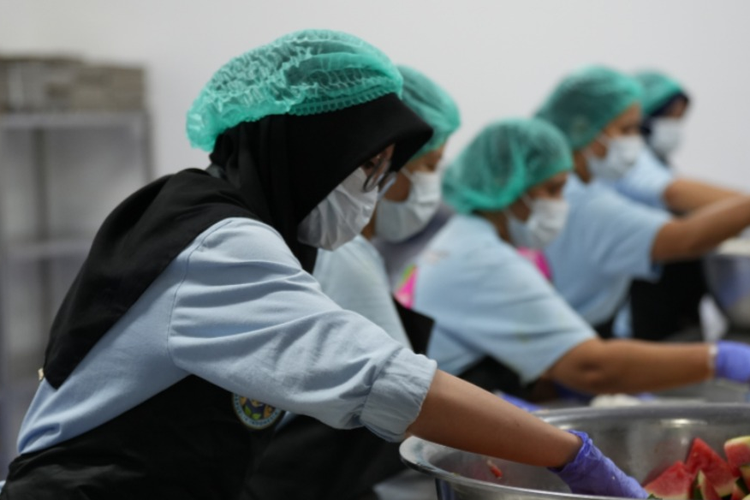
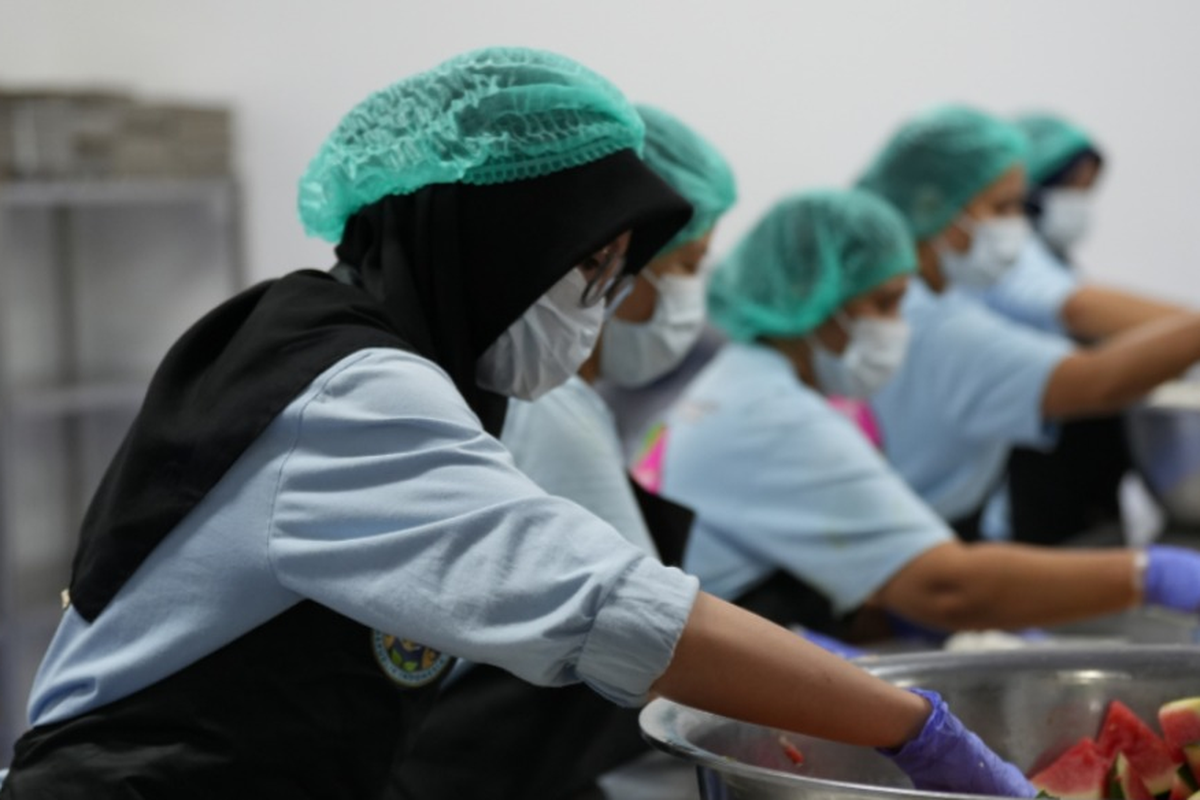
People see the Nutrient-Rich Food Program slowly starting to roll out in various remote areas, stimulating the grassroots economy.
However, giant structural ideas such as the establishment of an autonomous National Revenue Agency and the target of building three million houses per year still seem to be stalled.
Various economic research institutions have highlighted this imbalance.
Grand plans are often forced to be postponed or scaled down to save the budget posture from the threat of swelling deficits.
Why is this reality crucial to dissect now? With the remaining time in the administration, the public needs to recognize that it is very likely not all promises of Asta Cita will be fulfilled by the end of the term.
Public disappointment could escalate if the government continues to build a narrative of success without acknowledging the technical challenges on the ground.
We need a more objective and solution-oriented perspective.
Critiquing achievements does not equate to pessimism; rather, it is an effort to find solutions so that the remaining time can be optimally utilized for improving the most essential foundations of development.
The tight budget flexibility is the root cause of the slowdown in several priority programs.