

The Opening of Talent Transfer Market
-
News
-
11 minutes ago
This article was translated by AI. Read the original article on Kompas.com. See Original
The issue is not to make the Ministry of Foreign Affairs the sole agency allowed to discuss international matters but to ensure that the diversity of actors does not undermine Indonesia's consistent stance.
For this, amidst the increasing number of officials commenting on international issues, the Ministry of Foreign Affairs is called upon to be more proactive in presenting Indonesia's official position to the public.
The Ministry must not only conduct diplomacy through formal intergovernmental channels. In this information age, it must also be present quickly, clearly, and consistently to explain Indonesia's stance on international developments.
Delay in providing official explanations can create information vacuums.
This space can be filled with statements from officials of ministries or other agencies who may not fully grasp the diplomatic sensitivities of an issue.
Thus, the Ministry must strengthen its role as the primary reference for foreign policy communication.
Official statements do not always have to come from the Minister of Foreign Affairs. Spokespersons from the Ministry, relevant officials, or Indonesia's diplomatic representatives can fulfill this role within their respective authorities.
Regular press conferences, explanations of international issues, and the use of digital media should be optimized.
The Ministry should also be more responsive when statements from officials that may lead to diplomatic misunderstandings arise.
However, a proactive stance does not mean the Ministry must respond to every controversy.
Prioritization is necessary for issues concerning national interests and relationships with other countries.
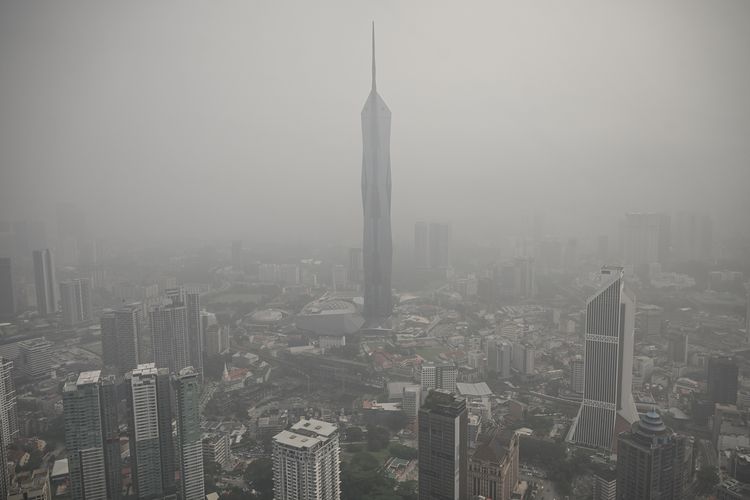
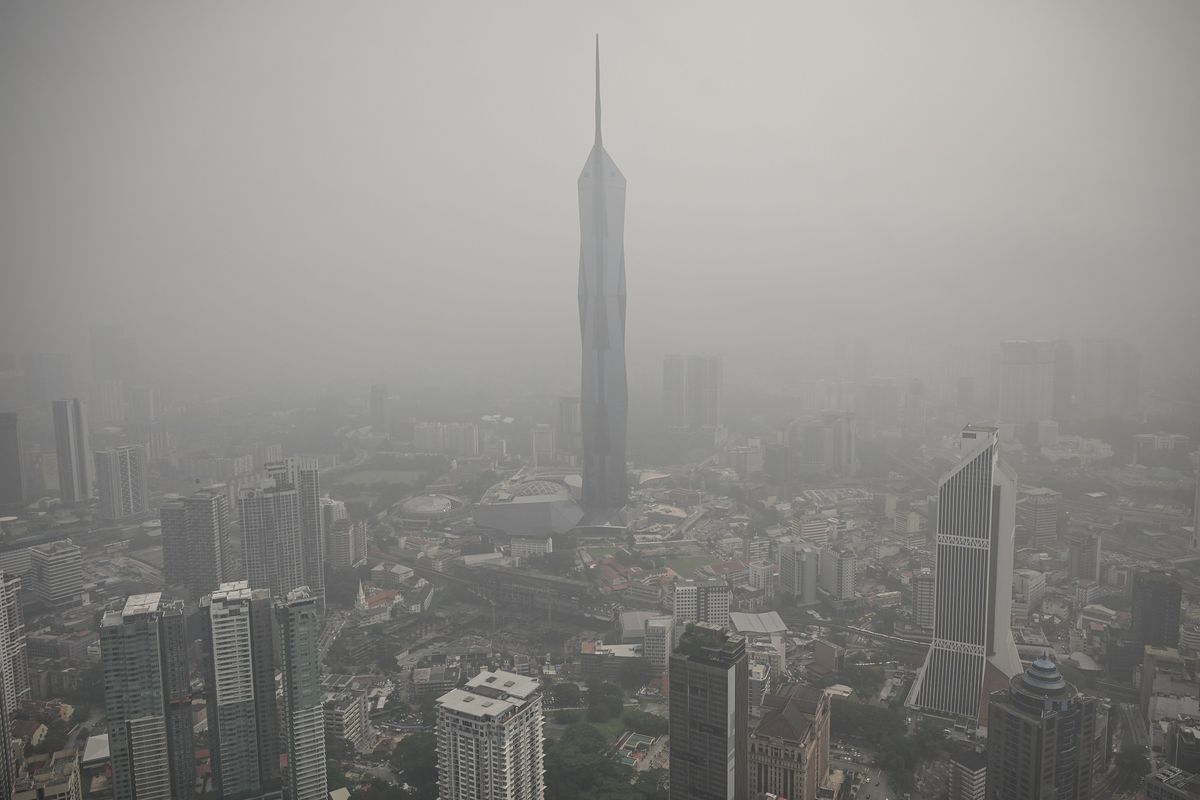
In the case of haze, for instance, diplomatic communication should not stop at explaining firefighting efforts.
The government also needs to convey its commitment to addressing issues, regional cooperation, and preventative measures to ensure similar problems don't recur.
Thus, the Ministry of Foreign Affairs should not merely be an agency providing clarifications after a controversy arises, but also a proactive institution shaping Indonesia's diplomatic narrative.
The communication polemic about haze provides important lessons on the need to strengthen the governance of diplomatic communication.
At least three steps are necessary. First, enhancing the role of the Ministry of Foreign Affairs in rapidly, clearly, and consistently communicating the government's official position.
Second, improving coordination of international communication across ministries and agencies.
Third, fostering diplomatic awareness among public officials so that every statement regarding other countries considers international relationship consequences.
Ultimately, this issue is not just about who has the right to speak on behalf of Indonesia, but how to maintain the country's dignity in international relations.
Modern diplomacy is no longer a monopoly of diplomats.
However, the involvement of numerous actors must not lead Indonesia to lose a unified voice in articulating its national interests.
In diplomacy, a country's strength is not determined by how many officials speak, but by how clear, consistent, and authoritative its message is to the world.

























