


The Gibran Nomination Hearing: Uncovering the Background and Origin of the "Educational Exemption Clause"
-
News
-
3 minutes ago
This article was translated by AI. Read the original article on Kompas.com. See Original
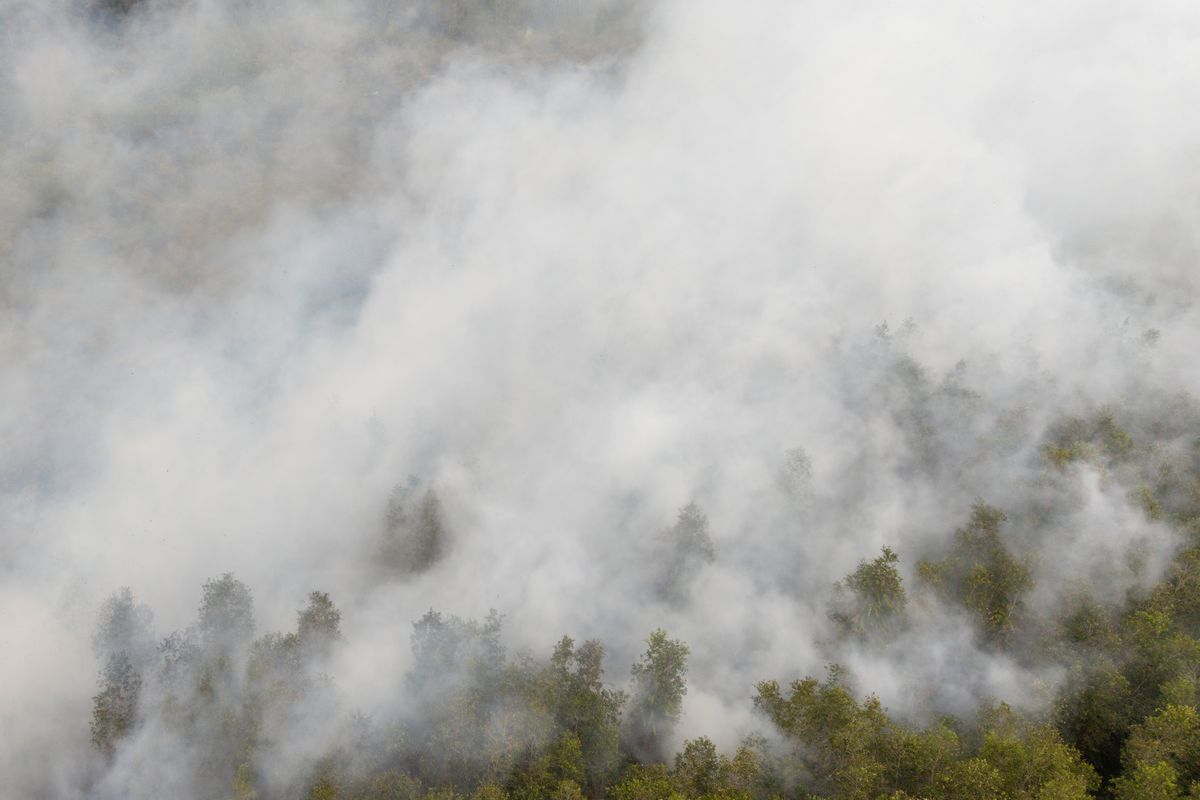
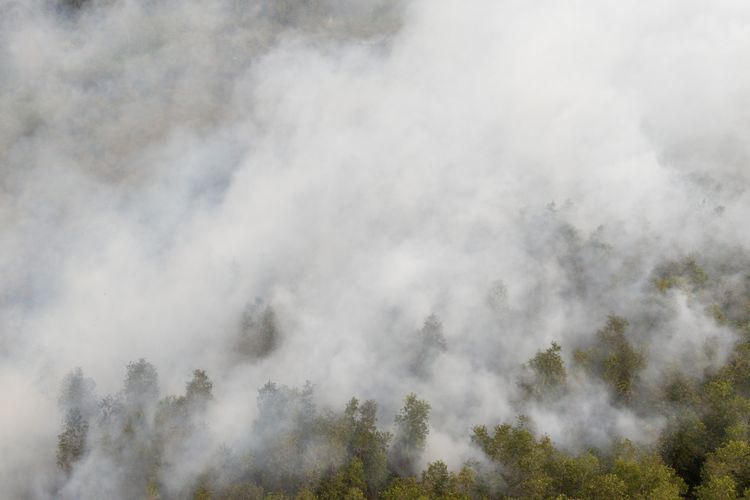
"In principle, the success of BPGMN is not measured by the size of the organization but by its ability to keep peat wet, prevent fires, and protect communities and ecosystems," Daryono clarified.
Furthermore, Daryono outlined five priorities that can be strengthened to prevent karhutla in the future.
First, restoring peat hydrology through drainage control, rewetting, and groundwater level monitoring.
Second, relying on an integrated early detection system using satellite data, hotspots, rainfall, peat moisture, and field monitoring.
Third, ensuring supervision of vulnerable areas, especially before and during the dry season.
Fourth, strengthening community empowerment through various means such as education, enhancing Fire Care Communities, and developing livelihoods without burning.