

Bullying in Malang, Minister PPPA: No Child Should Lose Their Life Due to Violence
-
News
-
1 minute ago
This article was translated by AI. Read the original article on Kompas.com. See Original
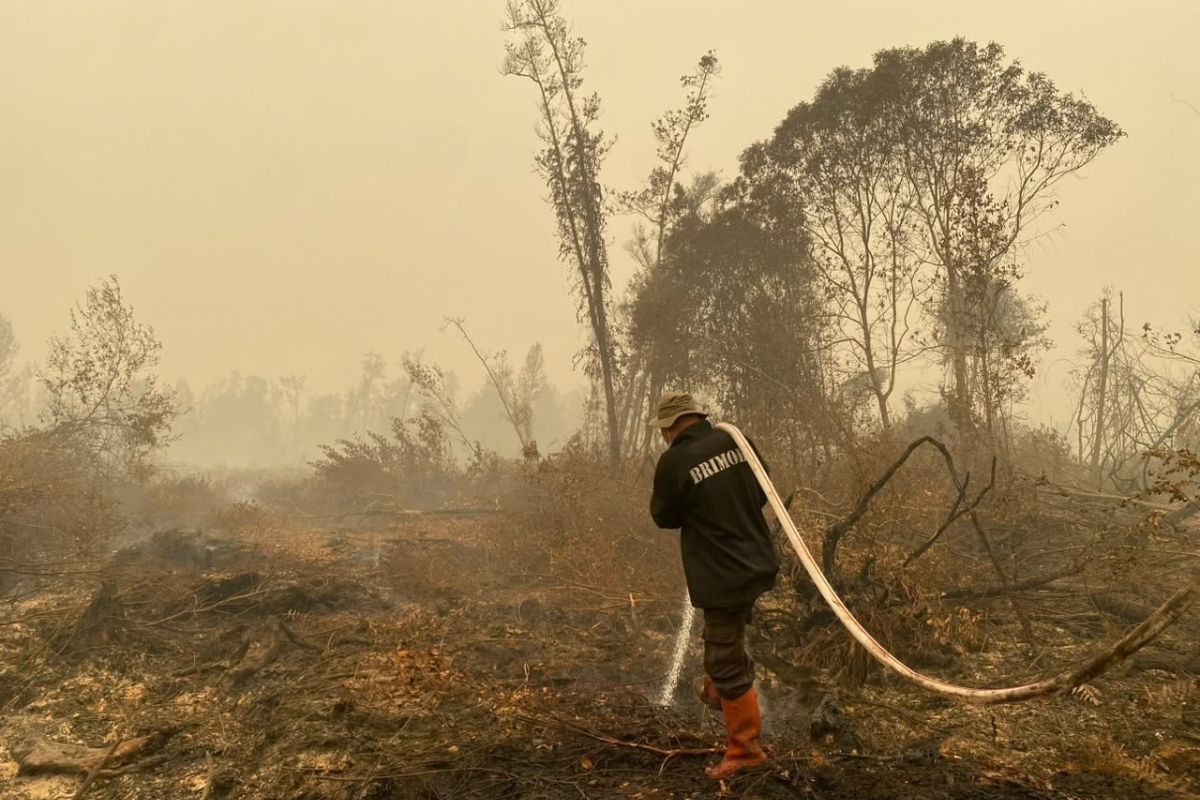
Water source limitations further complicate firefighting.
According to Yudho, during the dry season, rivers experience reduced flow, channels that usually serve as water sources diminish, and trenches dry out.
However, repeated soaking is necessary to extinguish embers remaining in the peat.
"Often, this problem during extreme dry seasons is the limitation of water sources. The peat should ideally stay moist, but during extreme drought conditions like El Niño, river water decreases, and channels that can serve as water sources also diminish," he highlighted.
To address this constraint, personnel are making efforts to supply water tanks, create wells, and use heavy equipment to construct barriers to prevent fires from spreading to other areas.
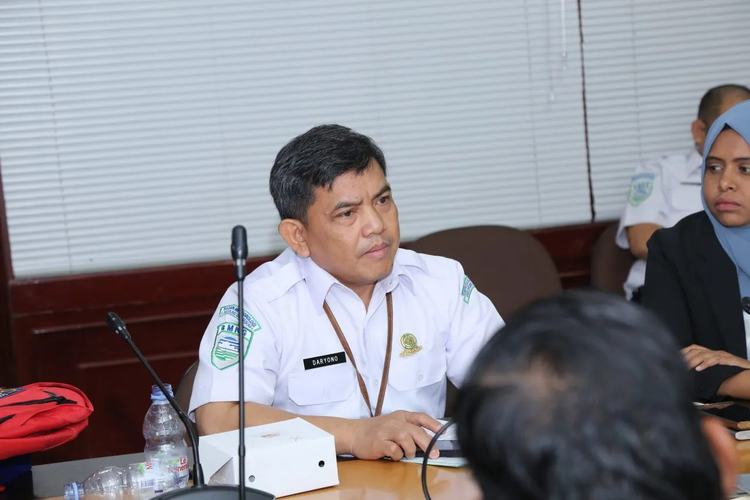
Daryono also explained that limited water sources, access to remote locations, and winds that accelerate the spread of fire are barriers to extinguishing efforts.
Meanwhile, aerial firefighting can help control surface flames but may not always reach embers deep within the peat layers.
As such, keeping peatlands moist is crucial for prevention efforts.
Combating fires after widespread outbreaks requires more complex efforts than maintaining land conditions before a fire starts.
Yudho stated that the Kalimantan Forest Fire Control Agency has 767 personnel to support firefighting efforts in the Kalimantan region.
This number does not include officers from other agencies working alongside Manggala Agni, such as the TNI, Polri, BPBD, forestry services, and community volunteers.
In practice, various units can work together at a single location.
Equipment shortages from one agency are also sought to be addressed through collaboration with others.
However, the large number of personnel and support equipment does not immediately resolve field challenges.
Yudho noted that water limitations and difficult access to locations are frequent issues during extreme drought seasons.
Firefighters must ensure water is available for saturating the peat while reaching locations sometimes far from primary access routes.
According to Yudho, support for equipment from the central government continues to be sought to meet firefighting needs.
However, environmental conditions and the vast area of the burn still influence the speed of response.
On the other hand, Daryono explained that the effectiveness of handling karhutla cannot merely be judged by the number of personnel deployed or the ability to detect hotspots.
The speed of response is also crucial. Information on potential fires must be immediately followed up with checks and personnel deployment before flames spread.
Indonesia has developed hotspot monitoring instruments through satellites, weather and drought information, field patrols, and land and air firefighting operations.
However, Daryono warned that hotspots are indications of thermal anomalies that still require field verification.
Not all hotspots detected by satellites automatically signify confirmed fires.
He stated that the effectiveness of mitigation is determined by three factors: detection speed, response speed, and success in preventing fire spread.
























