


Bullying in Malang, Minister PPPA: No Child Should Lose Their Life Due to Violence
-
News
-
1 minute ago
This article was translated by AI. Read the original article on Kompas.com. See Original
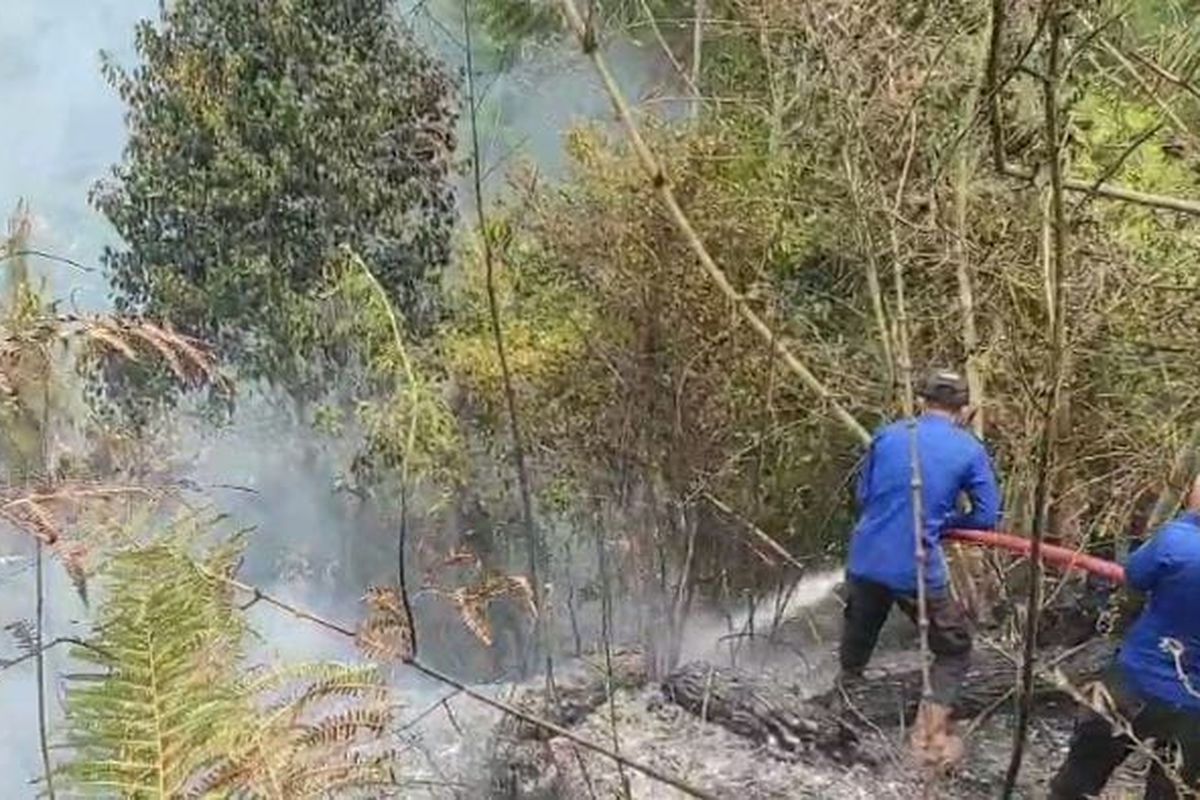
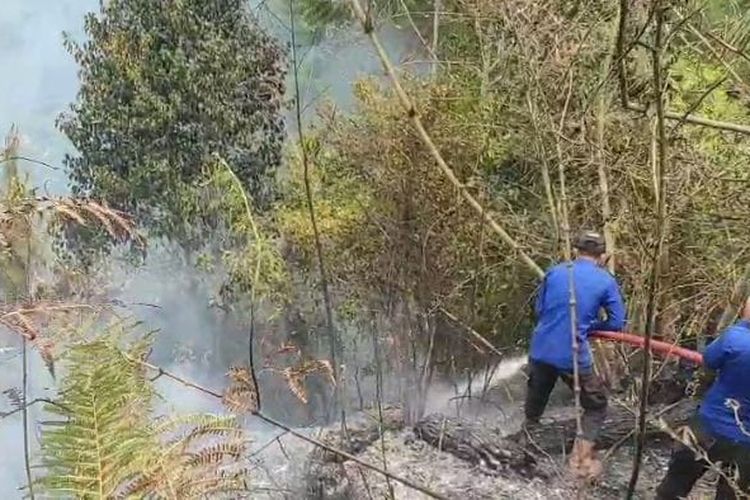
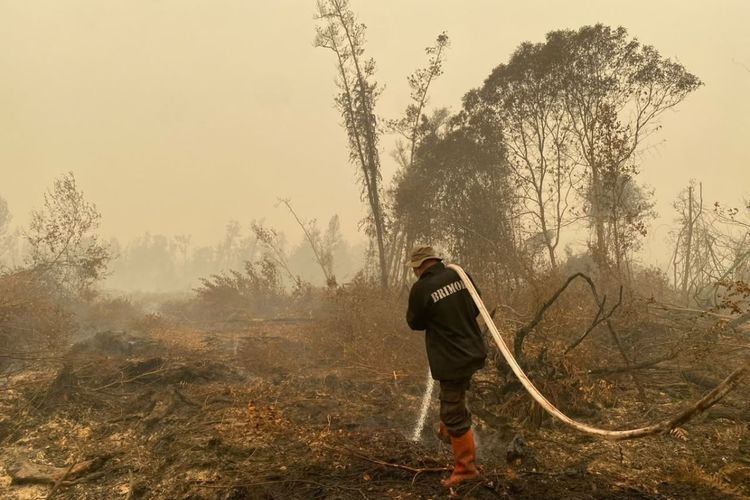
JAKARTA, KOMPAS.com - Forest and land fires (karhutla) have caused suffering for many people and have even spread beyond the borders. Why are these fires difficult to extinguish?
The Head of the Kalimantan Forest Fire Control Agency, Yudho Shekti Mustiko, mentioned that the fires being addressed by personnel since July 2026 have continued to spread.
In several locations, areas where fires were extinguished were soon followed by new hotspots.
"The hotspots are increasing remarkably. So, the more we extinguish, the more new ones appear, which doesn’t mean we are not making efforts," Yudho stated during an Obrolan Newsroom Kompas.com broadcast on Monday (12/10/2026).
Personnel from Manggala Agni, the Regional Disaster Management Agency (BPBD), forestry services, the military (TNI), police (Polri), and community volunteers have worked together to extinguish the fires.
However, the vastness of the fire-affected areas and the difficulty in reaching remote locations mean that handling requires time.
While firefighters are still trying to reach the hotspots, the flames can spread to other areas.
This situation worsens when peatland is dry.
The fire not only burns vegetation on the surface but can also spread underground, making it hard to detect and extinguish completely.
The Head of the Government Communication Agency (Bakom) of Indonesia, Syahganda Nainggolan, noted that the smoke from these fires crossing national borders is a natural phenomenon beyond human error.
He urged neighboring countries to understand this situation.
Meanwhile, Coordinating Minister for Political, Legal, and Security Affairs Dudung Abdurachman acknowledged that the abundance of peatland makes fires difficult to extinguish.
Member of the Indonesian Disaster Experts Association (IABI) and lecturer at the Disaster Management Master’s Program at the University of Indonesia, Daryono, explained that the recurring karhutla cannot solely be seen as a matter of firefighting.
Factors such as climate, human activity, and ecosystem conditions contribute to making fires easy to ignite and difficult to control.
"As long as the sources of vulnerability and fire triggers are not consistently managed, karhutla will likely continue to recur," Daryono told Kompas.com on Monday.
Yudho explained that one of the challenges in handling karhutla this year is the emergence of new fire hotspots while personnel are still working to extinguish flames in other locations.
He noted that the number of hotspots has increased in several regions from July to October 2026.
Despite various firefighting efforts, the fires continue to spread because new flames ignite in different locations.
"Nonetheless, the efforts made have been to extinguish the fires; however, new flames continue to emerge, resulting in a significantly increased number of hotspots," Yudho stated.
Firefighters need time to reach the hotspots, while the fires can spread before any measures can be taken.
"During a widespread karhutla, our reach takes time. This leads to the fire spreading in many areas," he said.
According to Yudho, this situation necessitates that firefighters race against time.
When the fire has not yet spread widely, extinguishing it can be easier.
However, once the fire spreads to larger areas, the demand for personnel, equipment, and water sources also increases.
























