

Bullying in Malang, Minister PPPA: No Child Should Lose Their Life Due to Violence
-
News
-
1 minute ago
This article was translated by AI. Read the original article on Kompas.com. See Original
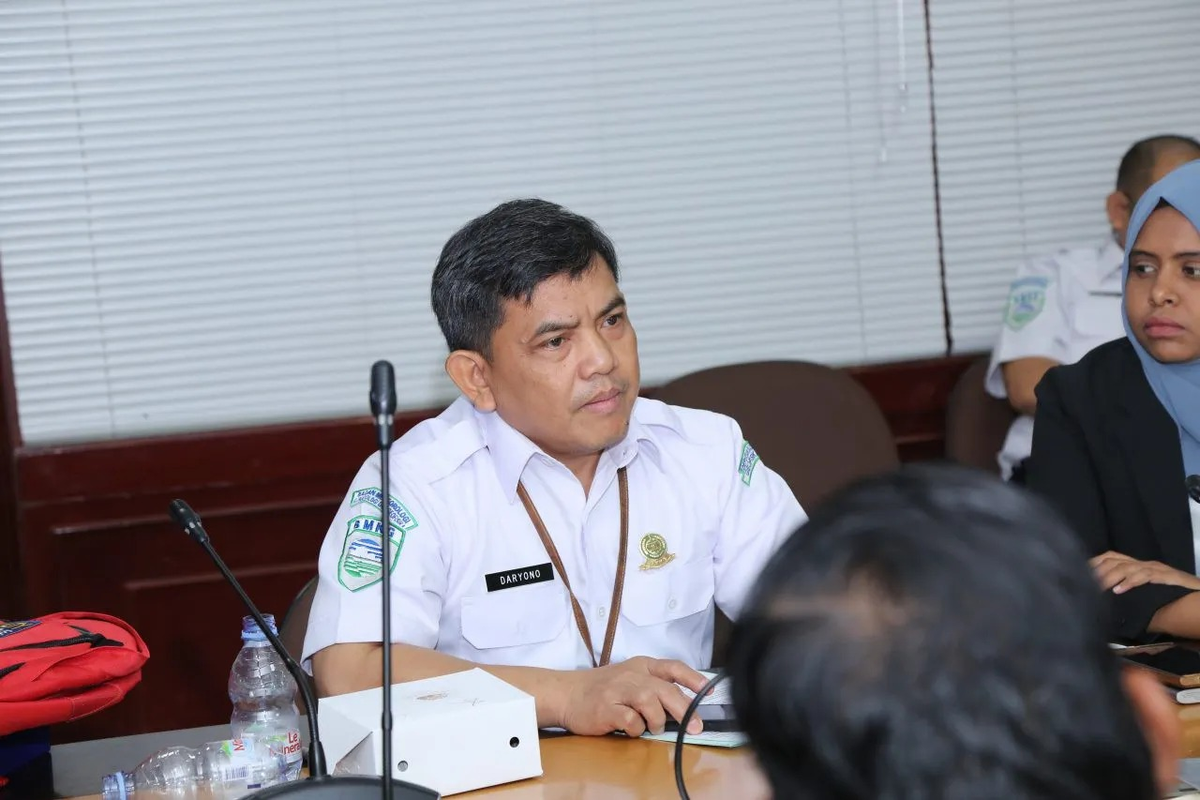
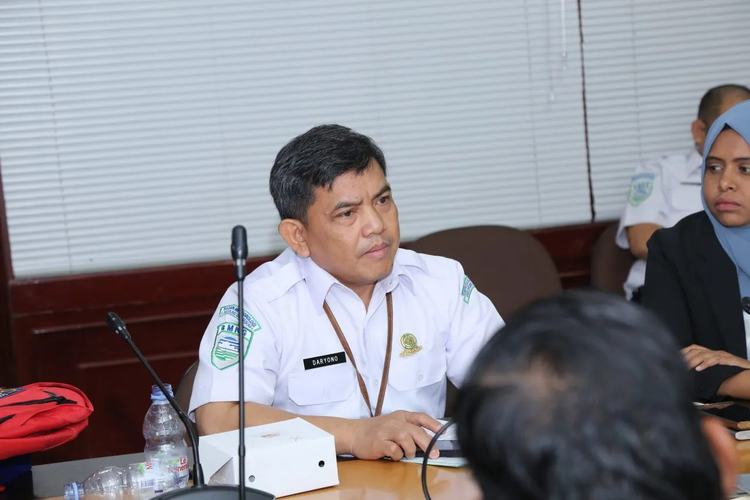
Daryono explained there are three main factors causing the recurrence of karhutla.
First, climate and weather factors. During the dry season, especially during an El Niño event or prolonged drought, vegetation and peatland become drier and more prone to fire.
Second, human activity. Some fires are related to land clearing or management through burning, whether intentionally or due to negligence.
Third, ecosystem vulnerability. Peatlands that experience drying or disruption of water management are more prone to fire when weather conditions are favorable.
These three factors mean that handling karhutla cannot rely solely on extinguishing fires once they occur.
Land management, controlling triggers, and preventing conditions from becoming dry are also necessary.
"Thus, karhutla is not merely about firefighting but also about risk management before fires start," Daryono stated.
The challenges of firefighting increase when the blaze occurs in peatland.
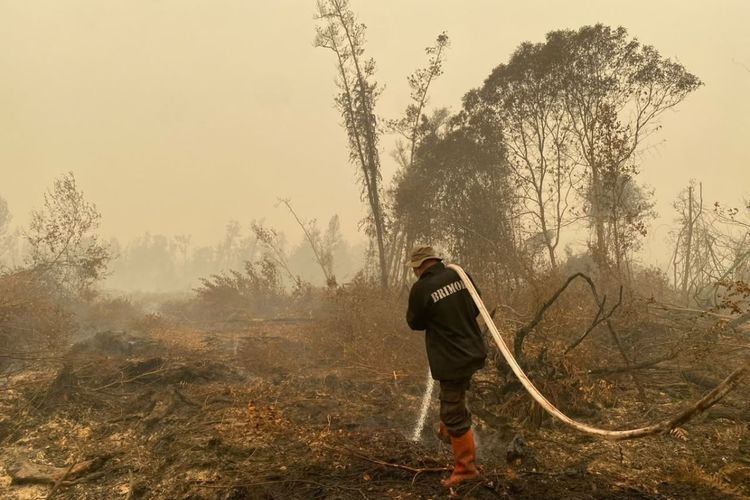
Unlike typical vegetation fires, flames in peat can spread to layers below the surface.
This means that a fire that appears extinguished may not be fully out.
Embers can persist in peat and reignite fires in the same location or in new areas.
Yudho mentioned that the condition of peatland in several locations is becoming drier.
He noted that the water table in the peat has fallen more than one meter below the surface, while he observes a tolerance limit of 40 centimeters.
This, according to him, increases the vulnerability of the land to fire.
"So, the tolerance for the water level in peat is actually limited to 40 cm. Now, it’s up over 100 cm, which is a dangerous condition," Yudho said.
The water table height indicates the position of groundwater relative to the land surface.
When the water is significantly below the surface, the peat layer above can dry out and become more easily ignitable.
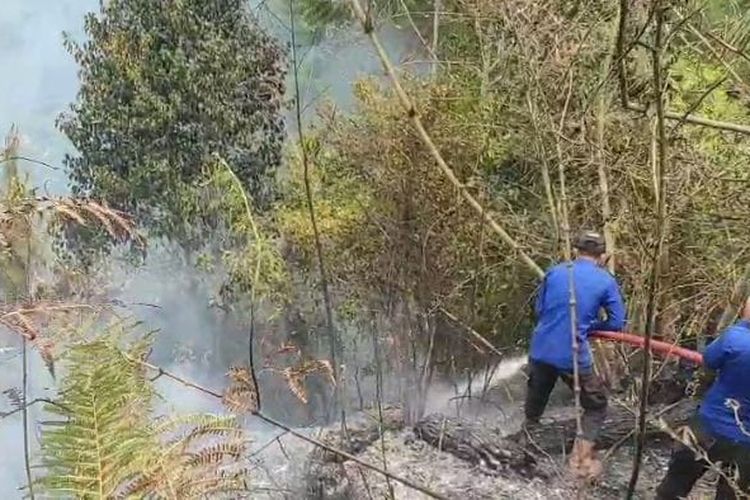
To extinguish the fire, personnel cannot just water the surface.
Yudho emphasized that thorough saturation of the peat layer is necessary.
Firefighters also use peat injection tools to introduce water into hard-to-reach areas from the surface.
After surface flames are extinguished, personnel continue to monitor and moisten spots still emitting smoke.
This effort, known as mopping up, is a follow-up stage to ensure that remaining embers do not reignite a blaze.
However, underground embers continue to pose challenges due to their unpredictable movement.
"Even so, once we’ve completed mopping up and saturation, and then we move to another location, the underground spread is not easy to predict. Thus, it’s possible that the embers may shift from below and spread to another location," he explained.
























