

Proposal for 3 Vice Presidents, Expert: 1945 Constitution Already Provides for 1 Vice President
-
News
-
53 minutes ago
This article was translated by AI. Read the original article on Kompas.com. See Original
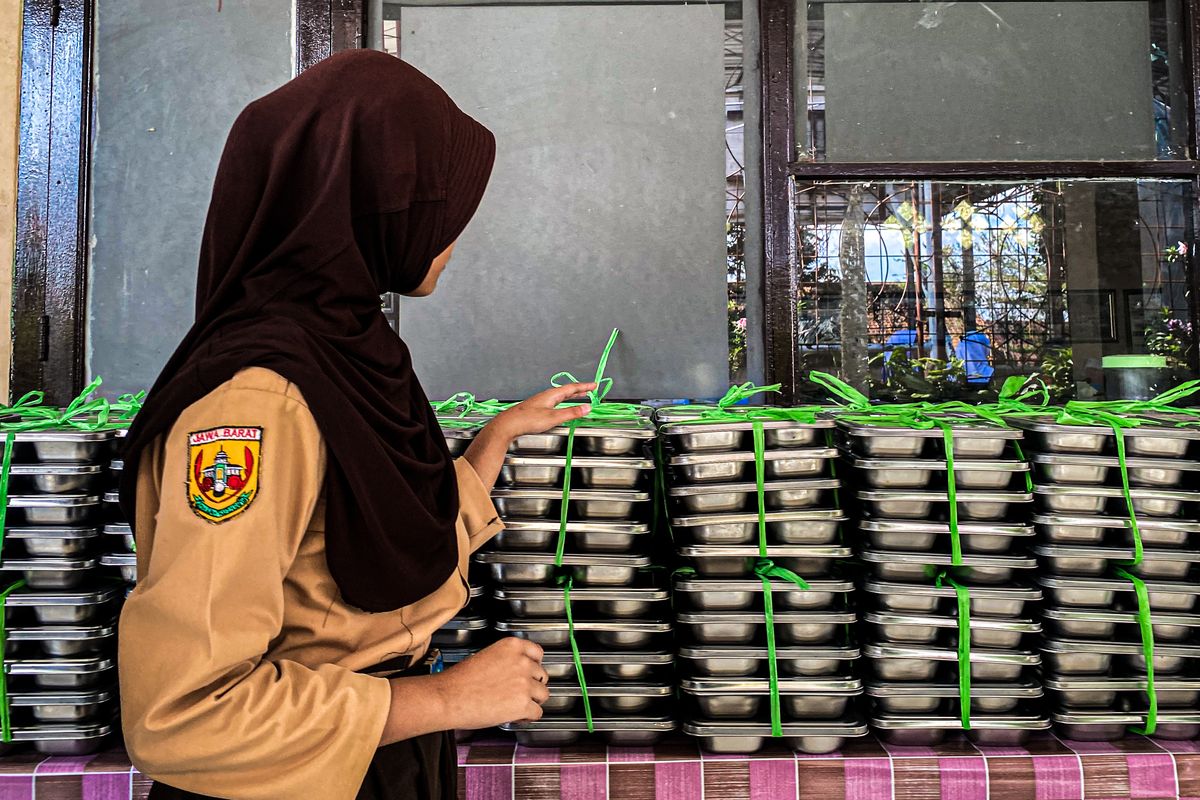
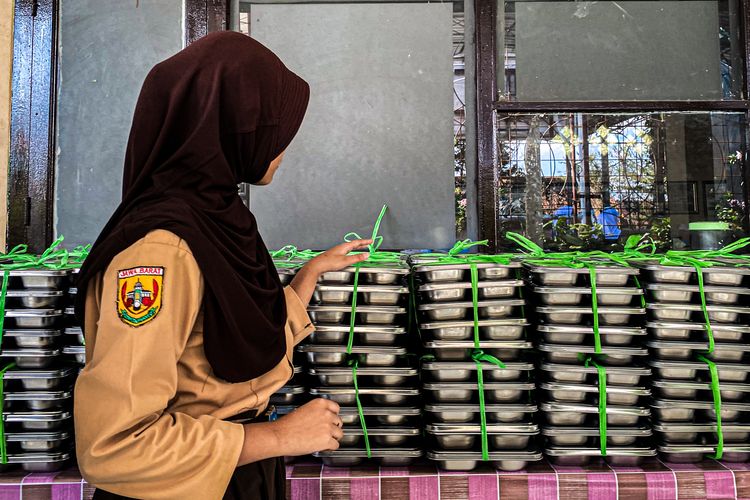
JAKARTA, KOMPAS.com - The Free Nutritious Meal Program (MBG) is set to enter its third year. What should be considered?
According to data from the National Nutrition Agency (BGN), the implementation of MBG has reached 56.99 million beneficiaries, which is 76.45 percent of the target of 74.56 million beneficiaries, with a gap of 17.56 million beneficiaries as of August 2026.
Meanwhile, the program's budget realization has reached Rp 139.77 trillion or 63.89 percent of the available allocation of Rp 218.77 trillion.
The government needs to ensure that this program operates optimally in fulfilling the nutritional needs of beneficiaries. It must also ensure that its distribution is accurately targeted.
So, how will the program run in the third year of President Prabowo's administration?
Public Policy Expert from Gadjah Mada University (UGM), Agustinus Subarsono, believes that this program will face adjustments due to economic constraints.
"Given the current unfavorable national economic conditions, I predict that MBG will experience adjustments," Subarsono said in a conversation with Kompas.com on Friday (9/10/2026).
He detailed that there are at least three alternatives or scenarios that the government may adopt.
The first scenario focuses on the target groups in need, rather than all students.
According to Subarsono, this scenario is understandable as the initial goal of MBG was indeed formulated to reduce or even eliminate stunting among children from poor families.
"Thus, it makes sense for MBG to focus on students from low-income families," he explained.
Subarsono stated that the first and second scenarios are relatively reasonable choices. These scenarios are unlikely to meet resistance from central kitchens.
This contrasts with the third scenario, which would reduce profits for SPBG owners.
He also assessed that the signs pointing to the first and third scenarios are much smaller. The government, he noted, has explicitly stated that it will accelerate MBG services in remote, underdeveloped, and border areas (3T).
On the other hand, Subarsono provided several suggestions to prevent repeated cases of food poisoning.