

Directorate General: Immigration Thwarts Departure of 39 WNI Suspected of Becoming Russian Mercenaries
-
News
-
24 minutes ago
This article was translated by AI. Read the original article on Kompas.com. See Original
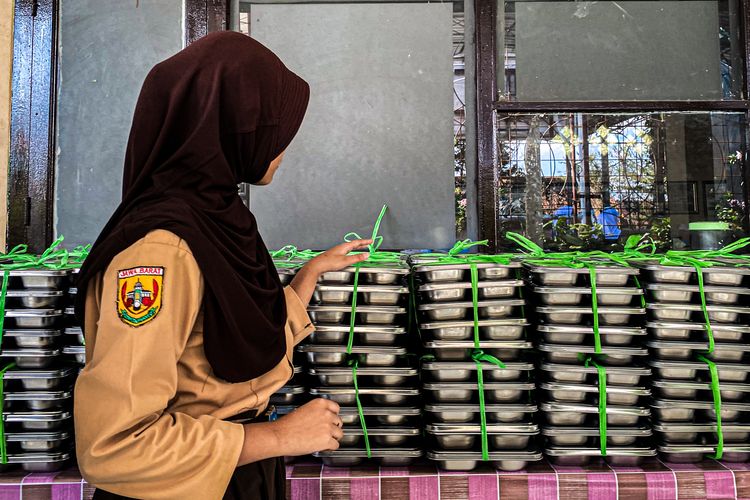
The first suggestion is to pay attention to distribution timing, which should align with children's school hours. For instance, Early Childhood Education (PAUD) and kindergartens have relatively short learning hours, allowing children to go home before noon.
Another consideration is meeting the nutritional needs of the distributed food. He believes the portions should also be adjusted based on the age of the beneficiaries.
"Small portions but nutrient-dense. This is because children's stomachs are small but need to be rich in animal protein (eggs, fish, and meat)," he elaborated.
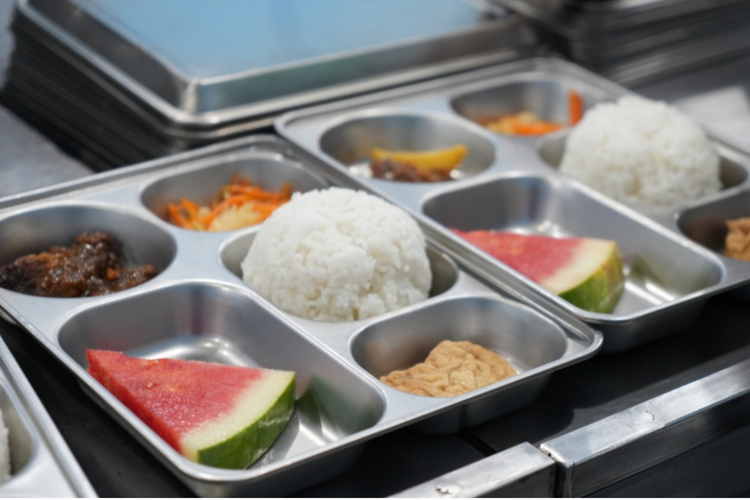
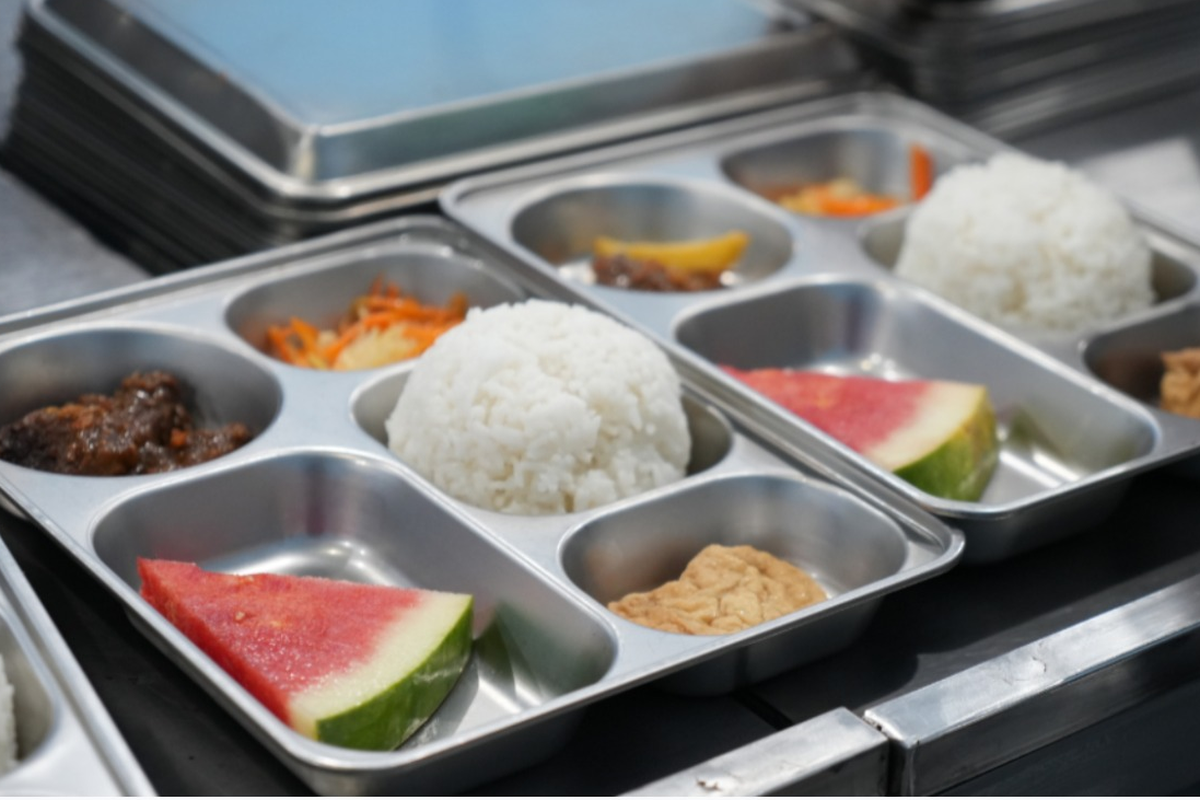
The third suggestion is to create appealing visuals and flavors so that beneficiaries are eager to consume the meals.
"Foods must be presented attractively, clean, not spicy/sharp, and low in sugar, salt, and saturated fat," Subarsono commented.
Another crucial aspect is the need for nutritional standards in the menu. He emphasized that the government should align the nutrition with its goals, namely preventing stunting. Nutritional standards must be carefully considered and consulted with nutrition experts.
"Monitoring raw materials and the processing of menus at each SPBG must be under the control of nutrition experts to ensure that nutritional content is not compromised during processing due to excessively high temperatures," said Subarsono.
Member of Commission IX of the Indonesian House of Representatives (DPR RI), Irma Suryani Chaniago, agrees on the necessity of establishing nutritional standards aligned with the program's direction and objectives.
For pregnant women, for instance, two eggs and green bean porridge should be provided weekly to ensure the nutrition for the fetus. Similarly, a variety of green vegetables is essential for expectant mothers.
"Because the president's target is to improve children's IQ, boost their immune systems, and lower stunting rates. If the number of beneficiaries is reduced, I hope the value of a serving can be increased by Rp 2000 for each segment to enhance its nutritional content," Irma expressed.
Furthermore, Subarsono recommended establishing food safety standards, including mass certification for SPBG kitchens and basic food tests (food baseline procedures).
Subarsono advised that every batch of food to be distributed must undergo rapid sample testing to ensure it is free from bacteria, viruses, and parasites, such as Escherichia coli and Salmonella.
"BGN should also provide an allergy reporting form for each child, so SPBG kitchens can offer alternative menus," he stressed.
Separately, BGN Head Sudaryono assured that his team would organize the beneficiary data to ensure the Free Nutritious Meal (MBG) service aligns with ground conditions.

























