

UI Law Professor Critiques Perception that MPR Cannot Make Regulations
-
News
-
2 minutes ago
This article was translated by AI. Read the original article on Kompas.com. See Original
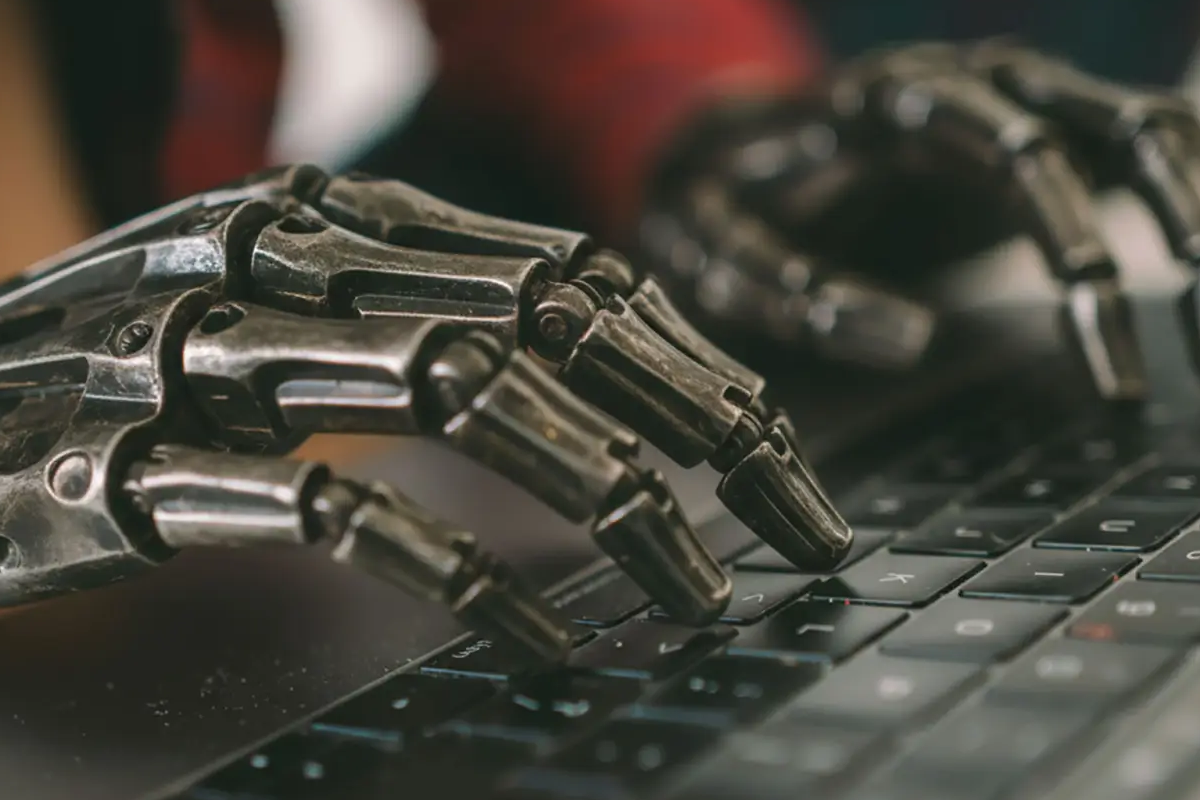
CAN Artificial Intelligence (AI) be used to draft laws? This question frequently arises in discussions and academic settings.
The answer is that AI can assist in drafting initial drafts, structuring articles, conducting research, and analyzing legal data for bills.
However, AI cannot autonomously create laws. There must still be a significant human role, under strict oversight by humans.
It is important to understand that AI is not a legal subject and does not possess legal status. AI often experiences information hallucinations, creating outputs that are workslop and biased.
In the context of legislation, the phenomenon of "AI workslop" is a serious issue. It can occur when drafters use AI to quickly produce laws.
"AI Workslop" refers to when AI generates drafts that seem neat and correct at first glance. However, they are superficial, inconsistent, lacking substance, and do not meet the legal drafting prerequisites.
In many cases, AI does not speed up the process; instead, it can create additional burdens for legislative teams who must sift through, correct, and overhaul articles generated by AI that are contextually irrelevant.
To minimize this, law drafters should not position themselves merely as prompters. They must continue to conduct thorough legal research. This is where legal expertise is essential.
AI will gladly provide links to reliable references if we request them. Drafters can then trace those original links or search for additional issues via search engines to obtain trustworthy sources.
All substance and drafting processes must ultimately be verified and fully supervised by humans, who must be responsible for the final output.
The Inter-Parliamentary Union (IPU) recently released a report titled “Implementing AI in Parliaments: Taking Stock and Planning the Next Steps Together” (1/7/2026).
According to the 2026 World e-Parliament Report, about 88 percent of parliaments globally have utilized AI.
The Centre for Innovation in Parliament (CIP) meeting of the IPU from May 13–15, 2026, in Rome reported that AI adoption in parliaments is progressing much faster than its governance.
Initial data from the World e-Parliament Report 2026 indicates that many parliaments still face issues regarding capacity, governance, organizational culture, and the use of “shadow AI” by members and staff.
As a global organization established in 1889, the IPU is composed of parliaments from various countries with a mission to strengthen democracy, peace, human rights, equality, and sustainable development.