

Health Minister Prays for President Prabowo to Live to 100 Years
-
News
-
3 minutes ago
This article was translated by AI. Read the original article on Kompas.com. See Original
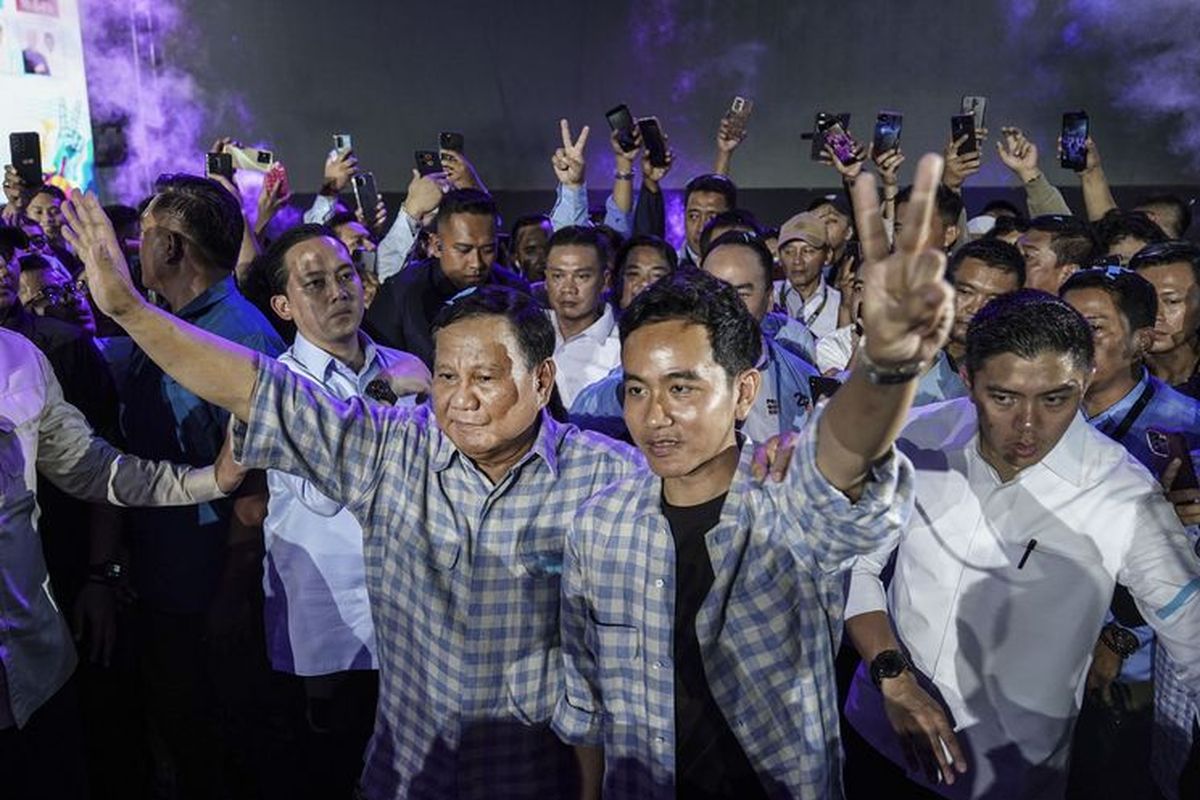
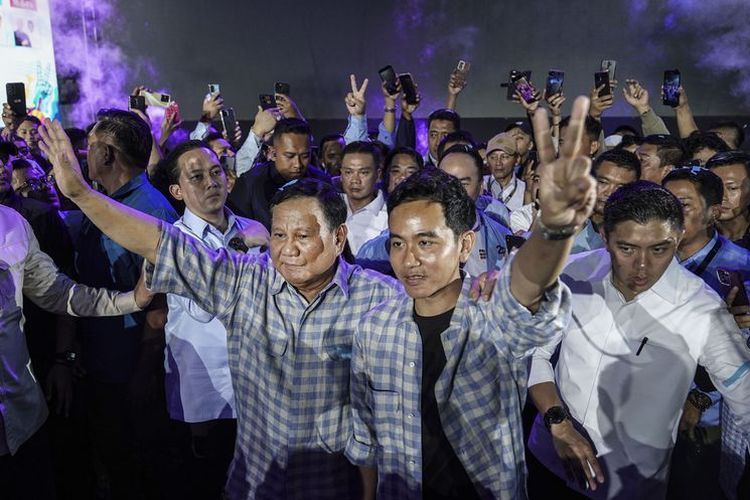
The Kertanegara meeting reinforces this interpretation. In 2024, Jokowi is the president who entrusted his son. Now, Jokowi comes for an invitation on the night his son is most vulnerable.
The message to coalition parties is conveyed without words. That message is that Gibran remains under the President's protection.
It is no surprise that Gerindra calls for all parties to move forward, while Golkar reminds that speculation about the ruling only disrupts the economy and investment.
This is where the inquiry driven by the PDI-P hits a wall. The President's silence gives Gerindra space to mitigate issues in Senayan.
However, the PDI-P's pressure is not entirely detrimental to Prabowo. As long as the inquiry remains a threat, Jokowi and his family become more reliant on the President's protection.
Thus, the opposition from the PDI-P inadvertently strengthens Prabowo's bargaining position against his own allies.
Alternative interpretations remain open. Prabowo may simply be loyal to the partner who helped him win or genuinely respect the separation of powers.
However, loyalty and respect require propriety. Dennis F. Thompson in Ethics in Congress (1995) reminds us that the public cannot see what happens behind closed doors, making appearances the only basis to judge officials’ honesty.
Hosting the father of a party currently under decision, right at the time the ruling was read, is not legal interference. However, this step tarnishes the impression of independence that the government itself claimed on the same day.
Is an embracing political strategy electorally safe? The surface numbers appear convincing.
A Poltracking survey in May 2026 recorded that 72.2 percent of respondents were satisfied with the government's performance, primarily supported by social aid and free nutrition programs.
However, the same survey also noted a downward and stagnant trend compared to previous periods (Kompas.com, 4/6/2026).
The deeper layers reveal more honesty. An INES survey in September 2026 indeed noted general satisfaction at 79.3 percent.
Nevertheless, satisfaction in the economic sector was only 50.8 percent, with more than half of respondents complaining about the difficulty of finding jobs, and 54.8 percent expressing concern over essential commodity prices (INES, 2026).
Another survey in the same month recorded satisfaction at only 57.6 percent. The public seems to evaluate the government from their kitchens rather than from the closeness of elites.


























