

Minister: Heart Disease Leads to Most Deaths Among Indonesians, 300,000 Each Year
-
News
-
4 minutes ago
This article was translated by AI. Read the original article on Kompas.com. See Original
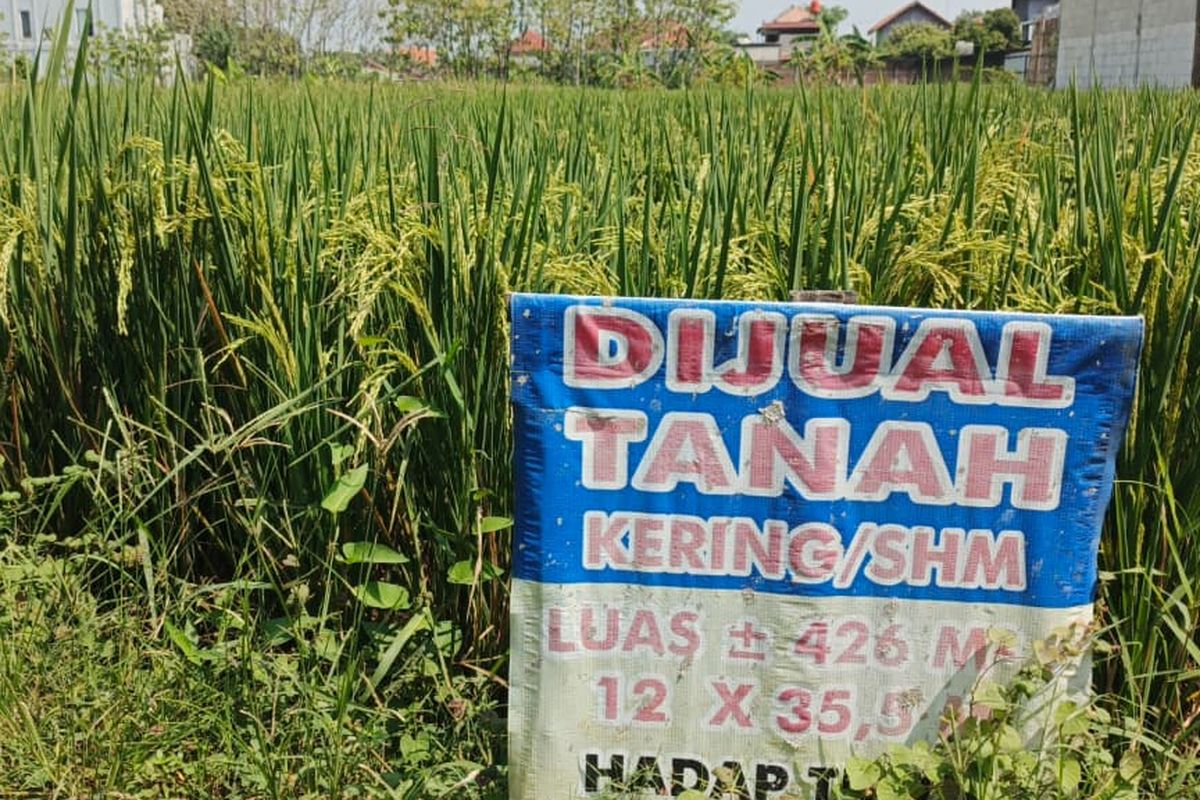
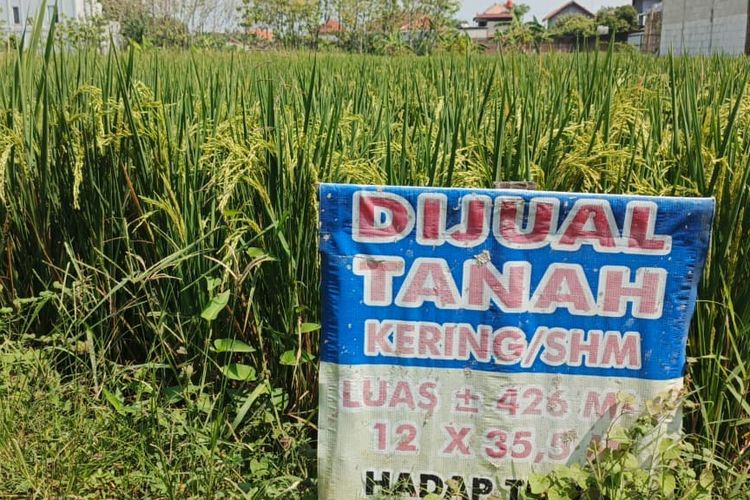
A parcel of land may have a certificate yet overlap with forest areas.
The same land might also fall under a business permit while simultaneously being claimed as customary land.
Additionally, in other regions, community land might overlap with government assets, spatial planning, strategic projects, or public interests.
If each agency operates based on its own database, maps, and sectoral logic, resolution can easily get caught in a waiting game.
Therefore, the new agrarian reform agency's model needs to be positioned as a national agrarian reform orchestrator.
Not an agency that does everything, but rather one that ensures all authorities operate in one direction toward a resolution.
The working principle can be summarized as: one case, one database, one problem map, one resolution process.
Each incoming conflict must first be classified based on subject, object, legal basis, conflict level, and relevant ministries and institutions.
Legal data must then be integrated with historical control records, physical data, forest areas, spatial planning, business permits, state assets, customary lands, and defense data where relevant.
With this model, communities will no longer need to search for which agency is responsible. The state must unify all of those authorities.
The issue of inter-agency coordination in Indonesia is not new. Coordination meetings can occur multiple times, recommendations can be issued, yet conflicts remain unresolved for years.
Hence, the new agrarian reform agency model needs to have at least three functions working as one cycle: recommendatory, directive, and evaluative.
The recommendatory function should not merely produce administrative suggestions. The agrarian reform agency must become the government's agrarian policy intelligence center, which can interpret agrarian issues by integrating legal, social, historical, economic, spatial, and geospatial aspects.
This analysis will yield evidence-based resolution options.
The second function is directive. This is often the missing part in agrarian conflict resolution.
Many cases have known problems, yet it is unclear who should do what.
The new model must allow recommendations to be translated into concrete actions, such as identifying which ministries or agencies are responsible, what actions must be taken, deadlines, and how success is measured.
If there are discrepancies in data, for example, a re-examination of documents, verification of rights history, re-measurement of boundaries, or map synchronization may be required.
For cross-sectoral issues, a roadmap for resolution should be developed along with clear responsibilities and timelines.
However, that authority must still adhere to the due process of law. The agrarian reform agency cannot replace the judiciary or unilaterally revoke rights.
Its function is to oversee the governance process, ensure administrative corrections are made, and escalate policy deadlocks to the President if necessary.
The third function is evaluative. This is where the focus of agrarian reform needs to change.
Previously, successes were relatively easy to showcase via the number of registered plots, the area redistributed, or certificates issued.
These indicators remain important, but do not address more substantive questions: does inequality reduce? Are conflicts truly resolved?
Do communities have the right to certainty? Does the welfare of agrarian reform recipients improve? Thus, evaluation must shift from mere administrative output to agrarian outcomes.
The new agrarian reform institutional model requires a case resolution system that can be traced from start to finish.

























