

Prabowo Gathers Gerindra Cadres in Hambalang, Dasco and KDM Attend
-
News
-
2 hours ago
This article was translated by AI. Read the original article on Kompas.com. See Original
So why does verification become more complicated when it involves a public office with greater authority at stake?
Certainly, political positions and state civil servant roles occur within different legal regimes.
The mechanisms for their nominations are also not the same. However, their governance principles converge: Before the state confers authority, it must ensure that the individual receiving it genuinely meets the stipulated requirements.
This is where we need to reconsider the meaning of meritocracy. The merit system is often understood as a principle of placing the right person in the right position based on qualifications, competencies, and performance.
However, the right person cannot be determined solely by observing who successfully passes.
There must be processes in place to ensure that all qualifications forming the basis of that success are genuinely valid.
In other words, we need more than just merit-based selection. We need merit-based verification.
Verification is not a trivial task. It serves as the first barrier before public authority is conferred.
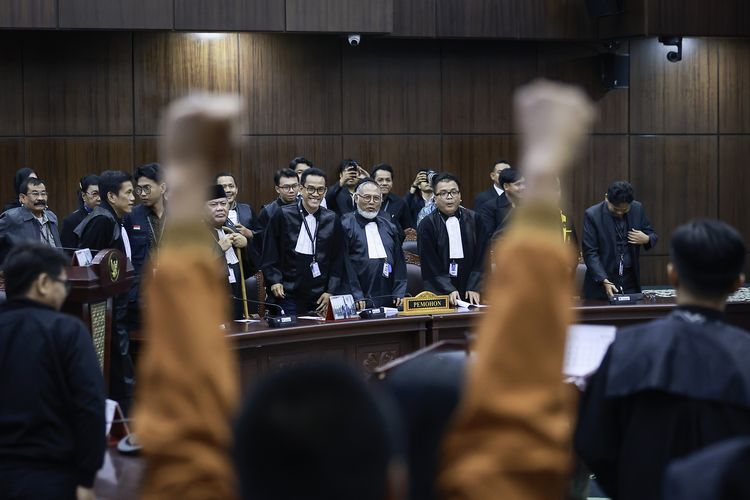
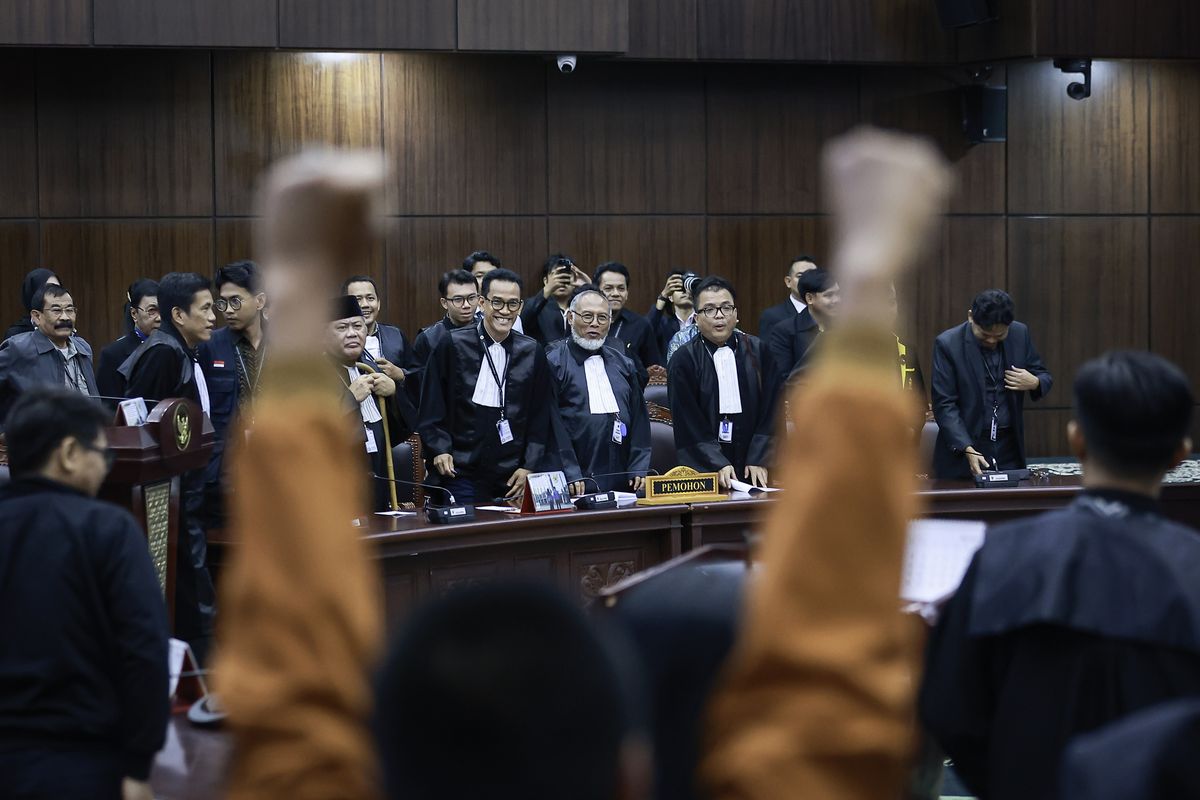
In this case, the Court stated that after reviewing evidence and facts presented during the trial, it did not find convincing evidence in the form of diplomas, certificates, or foreign degrees to substantiate equivalency to a minimum high school education or its equivalent.
The Court also noted the educational documents submitted in this matter and statements from relevant parties regarding those documents.
However, these findings do not automatically imply that the Court can impose consequences such as annulment of office.
The boundaries of legal authority remain in effect. The Court expressed it could not annul or disqualify Gibran as Vice President through this petition.
Here lies an important lesson for public administration.
A legal system can consist of many institutions, but if the division of verification authority and corrections is unclear, accountability gaps can still emerge.
Imagine a recruitment process. In the initial stages, the committee declares someone to meet the qualifications.
This person is then appointed and performs their duties. Years later, questions arise concerning one of the documents that formed the basis of their qualification.
When the matter is brought to another institution, it turns out this institution has no authority to annul the results of the prior process.
Who then is responsible?