

Misconception Behind the Welfare of Healthcare Workers
-
News
-
4 minutes ago




This article was translated by AI. Read the original article on Kompas.com. See Original
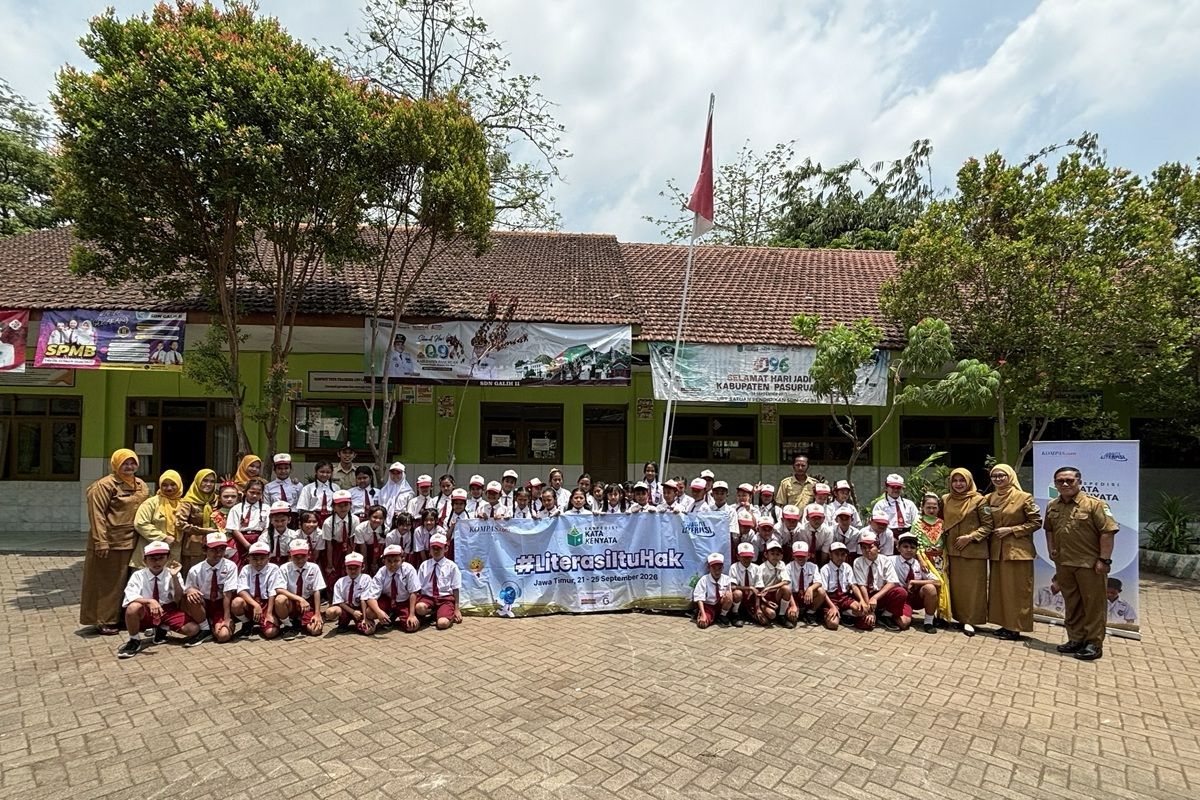
Dewi mentioned the school did receive book donations but the amount was still insufficient to meet students' needs.
This situation limited students' choices in reading materials.
"The children might get bored reading the same books repeatedly," she said.
The school had even considered partnerships with external parties, including regional libraries, to expand their book collection.
Besides the literacy sessions, the assembly activity drew significant interest from students.
Dewi observed that this activity encouraged children to think and attempt to solve problems independently.
She noted that the assembly task resembles a puzzle game, where children search for the right parts to form a complete set.
"For that project, the kids try to find the pieces themselves. If they are given parts and told to assemble them, they keep trying," she said.
Students’ enthusiasm was evident as some quickly completed their assembly tasks.
Dewi explained some children were already familiar with making or playing with miniature trucks equipped with simple sound devices at home.
Because of that, they grasped how to put the parts together fairly quickly when assigned in the "Jagat Literasi" activities.
For Dewi, such activities also provide opportunities for children with varied academic abilities to stay engaged.
She believes hands-on and enjoyable non-academic activities can attract students' participation.
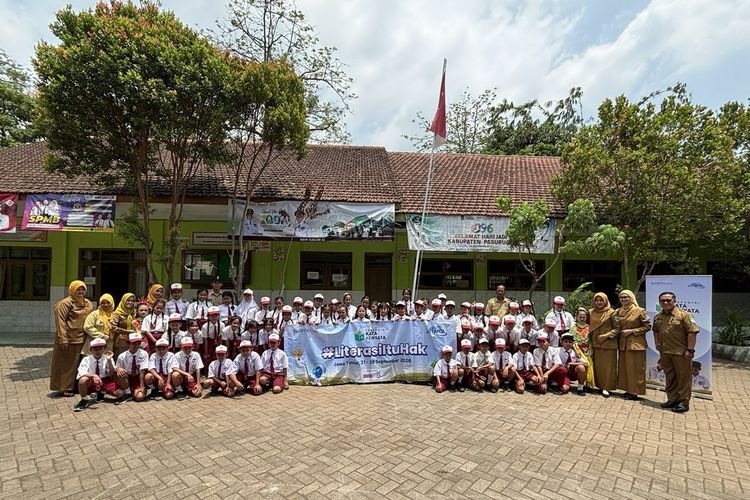
Dewi expressed appreciation for the presence of "Jagat Literasi" by Kompas.com at SDN Galih 2.
She hopes the program will continue and expand to reach more schools, especially those in areas with limited facilities.
Artikel ini merupakan bagian dari Lestari KG Media, sebuah inisiatif untuk akselerasi Tujuan Pembangunan Berkelanjutan. Selengkapnya