

Cak Imin Encourages Pesantren-Based Vocational Schools to Elevate Standards to International Levels
-
News
-
3 hours ago
This article was translated by AI. Read the original article on Kompas.com. See Original
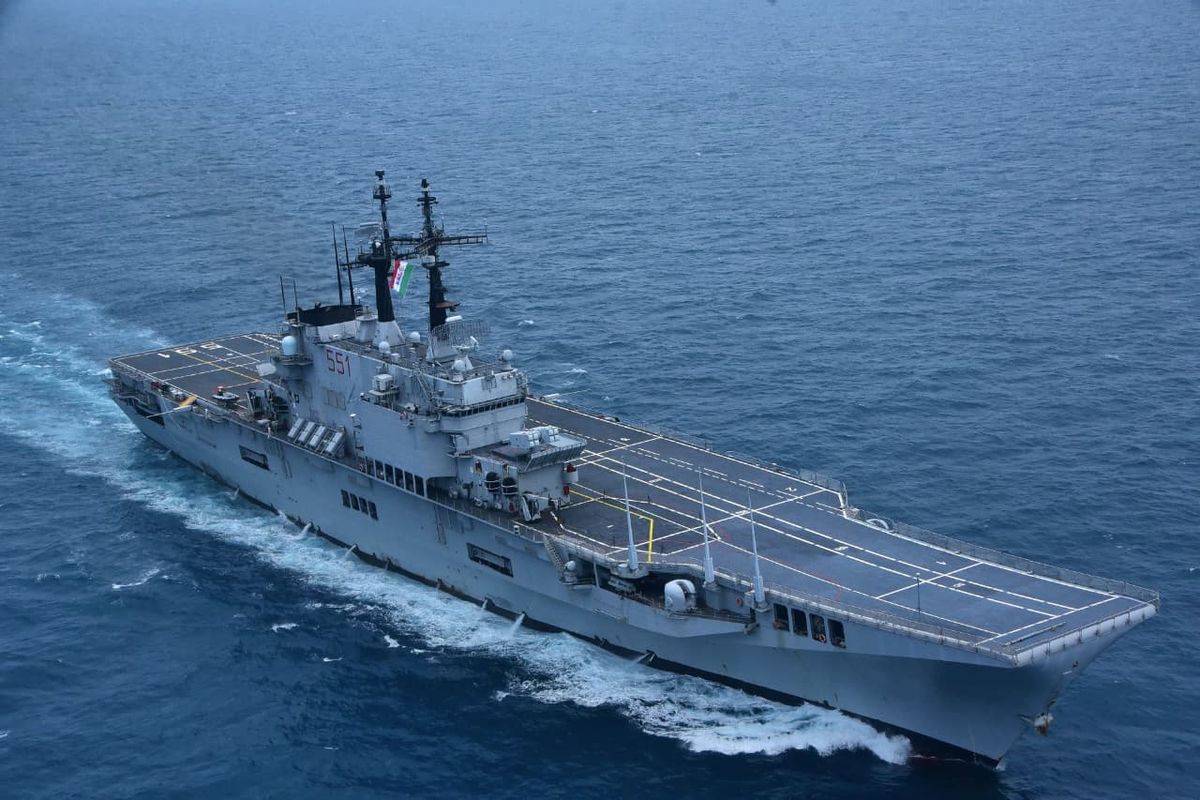
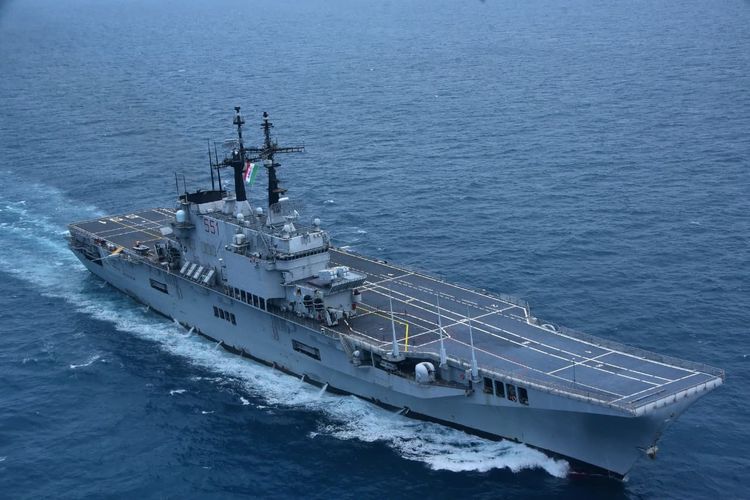
The aircraft carrier, measuring 180.2 meters in length and weighing 13,850 tons, finally docked in Indonesia on Friday, September 18.
Entering Indonesian waters a day earlier, escorted by two Indonesian Navy frigates—KRI Brawijaya-320 and KRI Prabu Siliwangi-321—the Italian aircraft carrier named Giuseppe Garibaldi berthed at Pier 107 of Tanjung Priok Port, North Jakarta.
The arrival of Indonesia's first aircraft carrier was enthusiastically welcomed by the TNI ranks, as evidenced by the presence of Defense Minister Sjafrie Sjamsoeddin and Indonesian Navy Chief of Staff Admiral Muhammad Ali during the reception.
The presence of this Italian-built aircraft carrier should be warmly embraced by the Indonesian public.
Although it is no longer young—over 40 years old and built by Fincantieri shipyard in Genoa and Monfalcone, Italy—this aircraft carrier holds strategic value to strengthen the main duties of the TNI as the principal component of the national defense system.
Especially considering the Indonesian Navy's role, which involves dense activities in defense, diplomacy, and constabulary functions.
This aircraft carrier is not intended for war but is planned to support the TNI’s non-military operations, including disaster response and humanitarian activities.
The arrival of this used aircraft carrier should not be met with cynicism by the public or certain groups.
The government, through the Ministry of Defense and the TNI, acknowledges the existence of cynical views regarding the urgency of Indonesia possessing such a vessel.
Many criticisms have been raised, such as potentially higher maintenance costs than operational benefits, diminished tactical military capabilities due to age, high fuel costs amid fluctuating global energy commodity prices, and more.
What needs to be underscored is that Indonesia accepted this aircraft carrier at no cost whatsoever.
In the long term, the presence of the Giuseppe Garibaldi aircraft carrier can also serve as an alarm and inspiration for defense policymakers in the homeland to recommit to strengthening the country’s maritime defense capacity.
Prof. Geoffrey Till—a world maritime expert from King’s College London—has said that not all countries realize that to become a maritime power state, possession of maritime advantages taken for granted is not enough.
Becoming a maritime power state requires strong intelligence from policymakers to integrate all available resources, including territory, population, government, infrastructure, and policies adopted.
By referencing Geoffrey Till’s idea, the claim that Indonesia is a maritime nation is questionable and debatable.