

Gibran: Time is Up
-
News
-
1 minute ago
This article was translated by AI. Read the original article on Kompas.com. See Original
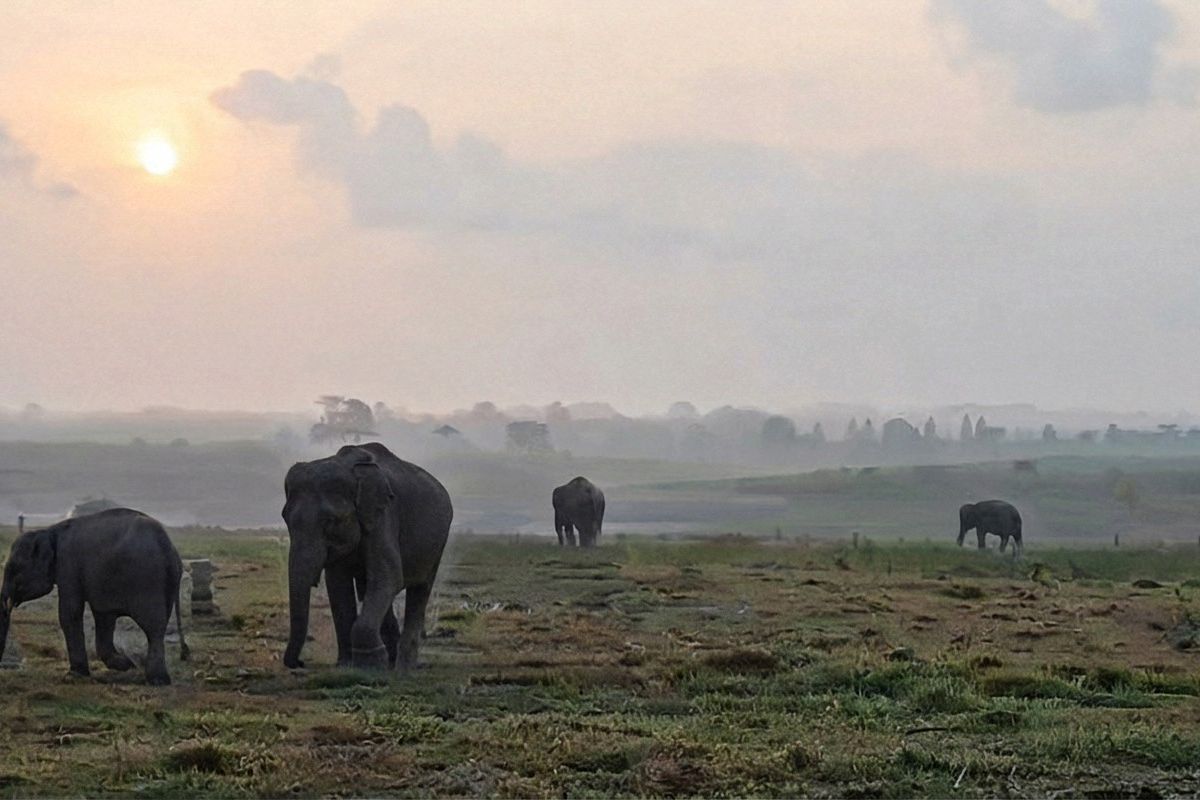
If the fundamental needs of the animals within the park are not met, barriers risk becoming mere obstacles without addressing deeper issues.
Therefore, the development includes supporting facilities for elephant life.
A total of 46 shelters for male elephants and eight for females have been prepared. Additionally, there are 58 elephant drinking troughs and 20,000 red lemongrass seedlings planted.
A similar strategy involves cultivating bee colonies around the park. Besides helping to keep a safe distance from elephants, this beekeeping initiative aims to provide economic benefits to local communities.
Sriyanto previously explained that the number of beehive boxes distributed to communities has been steadily increasing—from around 900 initially to a projected 1,500 boxes.
"If we look at all the boxes distributed so far, next week it could reach 1,500 beehives," he said.
This approach indicates that surrounding communities are seen as part of the mitigation system, rather than just parties to be kept away from elephants.
Sriyanto said they also aim to adopt positive aspects from elephant management in other countries, including involving communities in feeding provision.
"We want to replicate those positive practices. The more often elephants move safely, the more tourists will come," he noted.
Director General of Natural Resources and Ecosystem Conservation (KSDAE) Satyawan Pudyatmoko stated that TNWK management aims to improve the quality of elephant life while reducing conflicts impacting local communities.
"The main goal of management is to enhance the quality of life for elephants and improve the welfare of communities living around Way Kambas National Park," Satyawan said.
He added that conflicts also relate to habitat changes caused by expanding settlements and agriculture around the park that were once elephant habitats.
Historical shifts in the area have led to overlaps between elephant habitats and human activities. Therefore, handling conflicts requires more than just preventing elephants from leaving the park.
Elephants also need supportive environments to meet their life requirements inside the park.
The shift in approach is also reflected in the surveillance systems being established.