
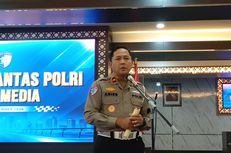
Indonesian Police Affirms No Lifetime Driver's License Policy, Valid for 5 Years
-
News
-
3 minutes ago
This article was translated by AI. Read the original article on Kompas.com. See Original
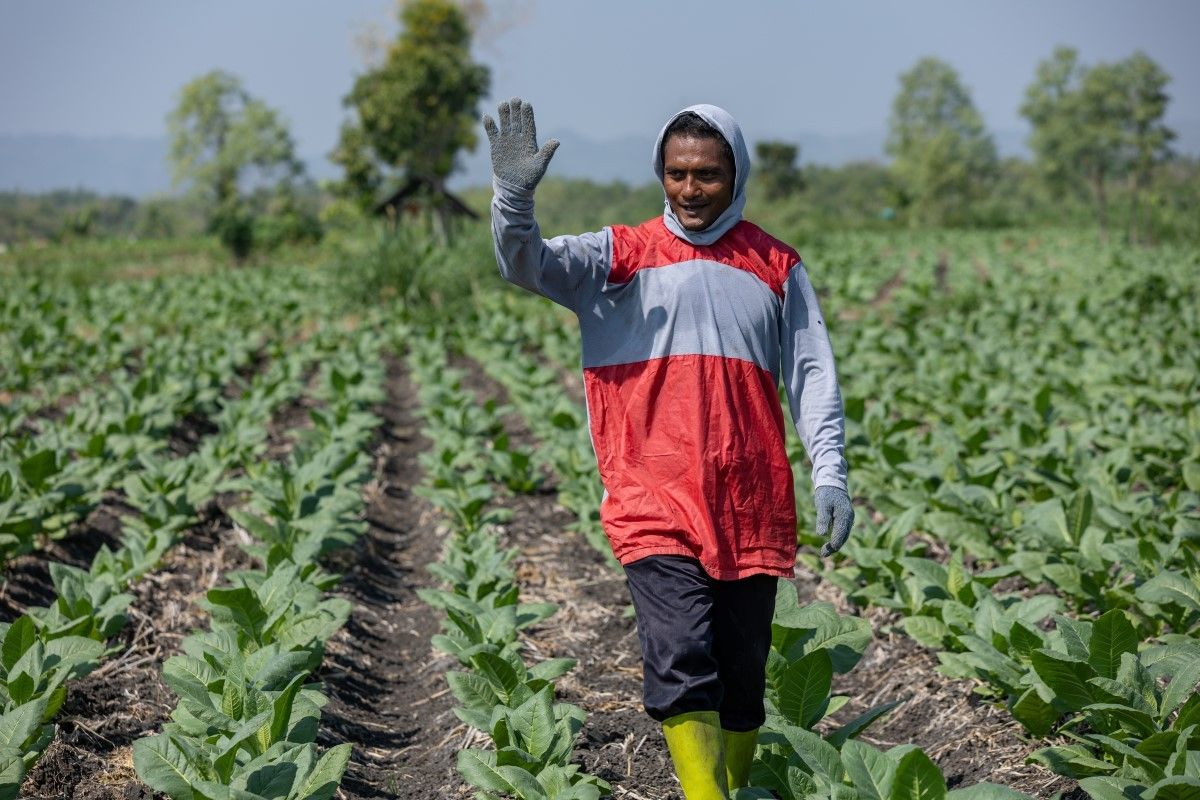
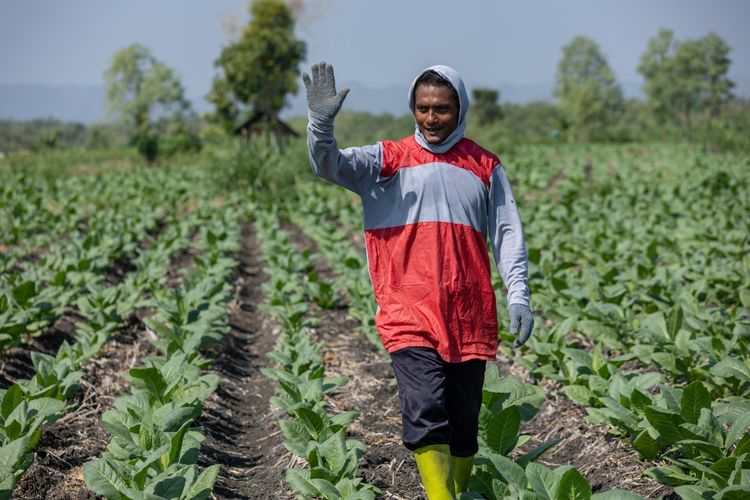
“I came back during the dry season. Neighbors were planting tobacco. I started learning by joining them. At first, just a little for practice,” Purwanto recalled.
From this experience, Purwanto deepened his knowledge of tobacco cultivation. He received counseling, technical guidance, and assistance through various planting stages.
“We got counseling, technical training, and guidance for planting. From seedling preparation, planting, even post-harvest, field officers still accompany us,” he shared.
The support helped Purwanto’s farming process become more structured. He no longer relied solely on inherited experience but applied Good Agricultural Practices (GAP), from seedling to post-harvest handling.
Moreover, the Agricultural Labor Practices (ALP) code fosters health and safety standards at work, child labor prevention, and respect for the rights of farm workers.
For Purwanto, the benefits of tobacco farming extend beyond harvest time. Sales proceeds also help prepare for the next planting season needs.
“Now, part of the earnings can be set aside as capital for the next planting season. So needs for fertilizer, rice, or tobacco can be prepared in advance,” Purwanto explained.
Tobacco becomes part of a farming pattern that maintains rice as a key commodity. Income from the dry season helps families ready resources for the following planting season.
Changes are also visible in Purwanto’s family home. His parents' house, previously wooden-walled, is now a more habitable brick house.
According to Purwanto, the economic benefits of tobacco farming are also felt by the surrounding community. The harvest has stimulated other economic activities in the village.
“After tobacco harvest, some were able to buy family cars to rent out. Others bought vehicles for cargo services,” he added.
He sees this development influencing some villagers' choices. When farming brings economic benefits, people have reasons to continue developing life and work in their hometown.
For Katino and Purwanto, the dry season doesn’t necessarily mean land must stop producing. Tobacco offers them options to keep cultivating land, earn income, and prepare for family needs until the next planting season.
In Wonogiri, such choices form part of farmers’ strategies to keep land productive while sustaining farming businesses amid seasonal changes.