
DPR Members to Minister: Educational Policies Keep Changing, Parents Are Confused
-
News
-
3 minutes ago
This article was translated by AI. Read the original article on Kompas.com. See Original
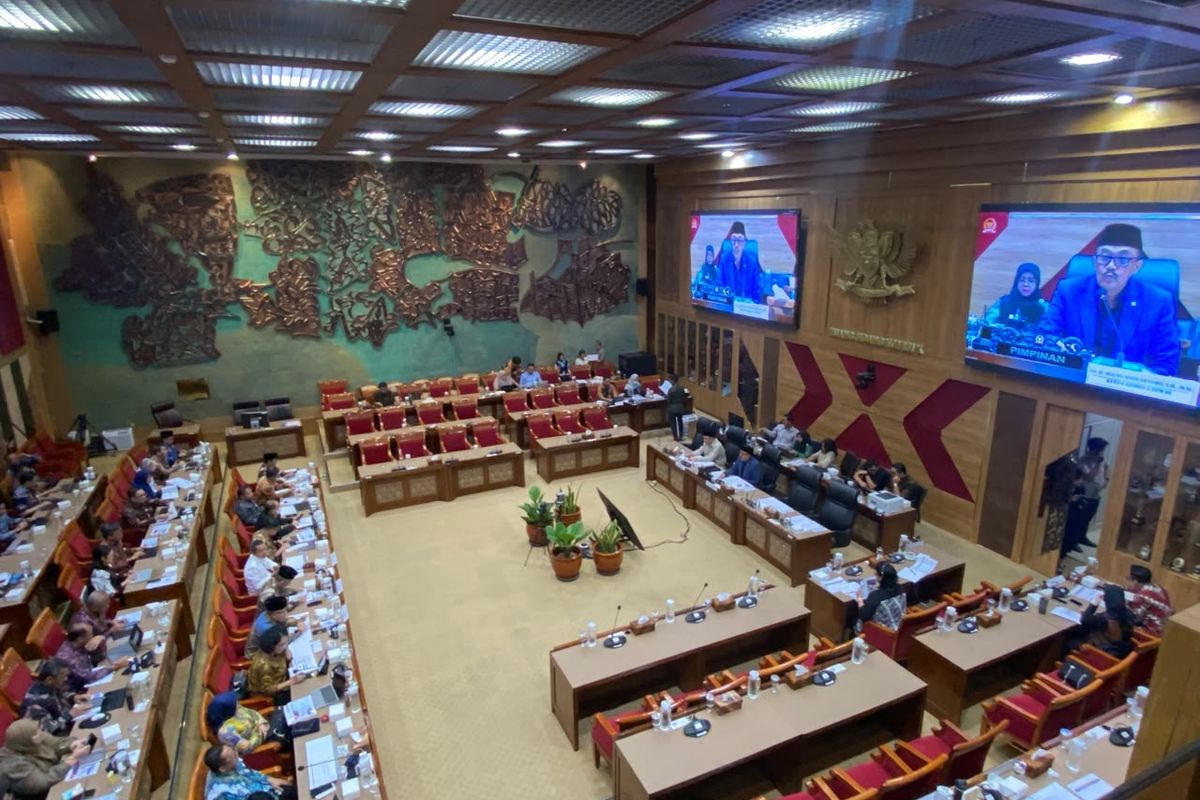
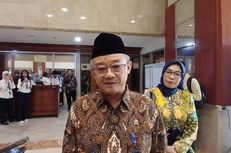
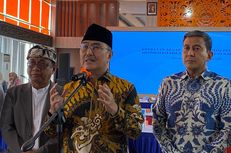
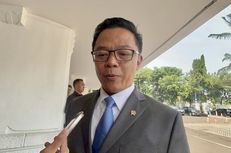
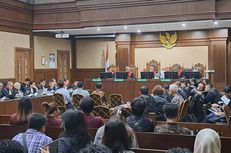
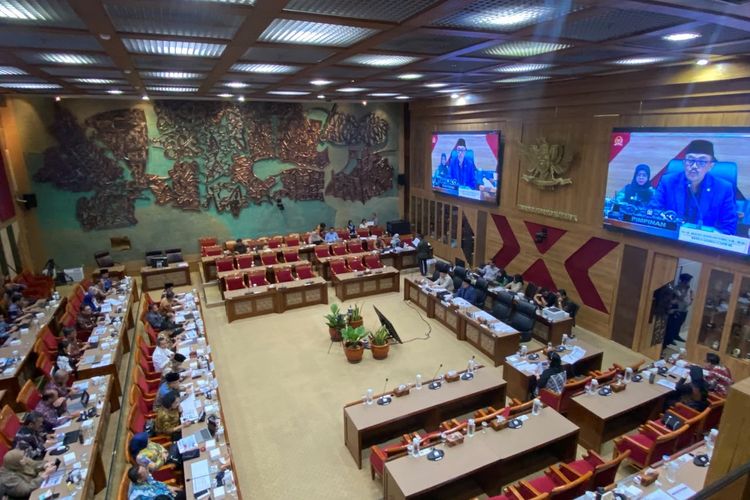
JAKARTA, KOMPAS.com - Member of Commission X of the House of Representatives, Ratih Megasari Singkarru, urged the government to avoid frequently changing educational policies during a meeting with Minister of Basic and Secondary Education Abdul Mu'ti on Wednesday (25/11/2026).
"The policies should not keep changing because parents are saying, 'Oh my, this policy keeps changing and it's making us dizzy,'" Ratih remarked during the meeting at the Parliament Complex in Jakarta.
Ratih acknowledged that she often receives complaints from parents who express their frustration over the fluctuating educational policies.
"As parents of children currently in school, we often hear such complaints from schools," she said.
The NasDem Party politician emphasized that her party will always support government policies as long as they are based on strong research.
One example is the policy of specialization in high schools that will be revived after being removed through the Independent Learning Curriculum in 2022.
"We, from the NasDem faction, believe that as long as any policy is grounded in strong research, we have no objections," Ratih stated.
Nevertheless, Ratih reminded that the specialization policy must be socialized to the students who will be affected.
According to her, students should understand this mechanism as early as their time in Junior High School (SMP).
"If specialization is indeed introduced at the high school level, we feel it's important to familiarize students with it as early as possible, ideally when they are in 8th grade," Ratih explained.
Moreover, schools need to assess their readiness in establishing quotas for each specialization.
"For example, schools that initially prepare rigid quotas for each specialization need to consider how students can be accepted into their chosen fields," Ratih said.
"Will there be a selection process through assessments? If so, won't that just reopen the elements of caste-like divisions like in the past, such as science and social studies?" she remarked.
The Ministry of Basic and Secondary Education (Kemendikdasmen) is currently evaluating four fields of specialization that high school students can choose from: technology and engineering, science and health, social sciences, and humanities.
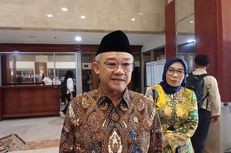
"The model we propose is a directed study program with four fields: technology and engineering, science and health, social sciences, and humanities," Minister Abdul Mu'ti said during the meeting of Commission X of the House of Representatives in Jakarta on Wednesday (25/11/2026).
Mu'ti explained that under the scheme being prepared by Kemendikdasmen, students will enter one of these fields when they reach 11th grade.
In 10th grade, every student will still take general subjects to explore all available courses.
"Exploration occurs in the first semester of 10th grade. It starts with exploration followed by consolidation and determination in the second semester of 10th grade, with learning commencing in the first semester of 11th grade. Students will have time to discover their potentials, guided by counselors and parents," stated Mu'ti.
He mentioned that each field will have three mandatory subjects and one to two elective subjects.