
Censored Critical Content: The Bell Tolls for Freedom of Expression?
-
News
-
Just now
This article was translated by AI. Read the original article on Kompas.com. See Original
THE word censorship, once feared by the press during the New Order era, has resurfaced in public discourse, especially among netizens, lately.
The censorship in question refers to the take down of specific content posted or published by account holders on social media platforms.
These contents suddenly disappear, leading account holders to wonder: What happened? Why did the content vanish? Who was responsible and for what purpose?
Concerns have risen since wildfires have engulfed several provinces in Sumatra, Kalimantan, and Papua.
In the age of social media, citizens are becoming more aware of their surroundings.
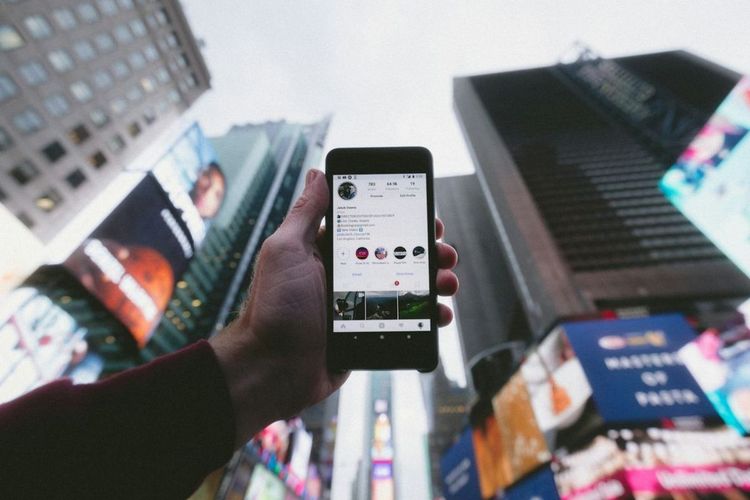
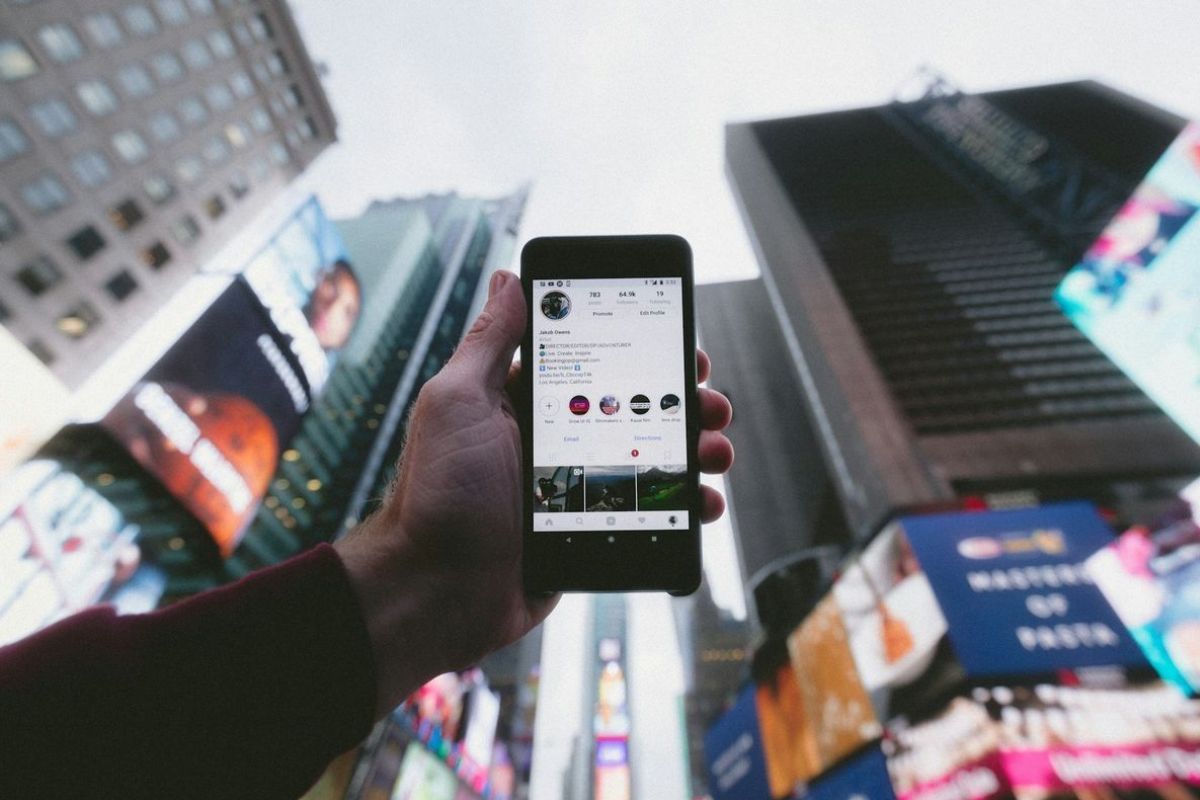
With smartphones in hand, anyone can record events happening around them in real-time—and upload it within seconds or minutes.
Posting photos, information, statements, opinions on social media—collectively referred to as content—has become a societal necessity.
This is a form of concern, solidarity, education, political participation, or simply showing off (flexing).
Freedom of expression is a fundamental human right guaranteed by the constitution. It is inherent to individuals, cannot be taken away, and must be protected by the state.
Article 28E, paragraph (3) of the 1945 Constitution states, “Everyone has the right to freedom of assembly, association, and expressing opinions.”
Censorship of an individual's or citizen's content by taking it down injures individual freedoms and the constitution.
Unless there is a strong legal reason or public interest, such actions should not be arbitrary.
As of November 8, 2026, SAFEnet and Remotivi reported at least 127 contents moderated, or taken down.
Of these, 94 percent were removed at the request of the Ministry of Communication and Digital, while the rest were through social media platform moderation.
The most common topics for deleted or censored content include criticism of the president, criticisms of officials and the government, demonstrations, and forest and land fires.
These four types of content accounted for 73.2 percent (Multatuli Project).
This data is based on complaints. The reality on the ground could be greater than what has been recorded.
Perhaps due to these troubling developments, Remotivi and SAFEnet proposed an open debate with the Ministry led by Meutya Hafid.
On Tuesday, November 17, 2026, they demonstrated at the Ministry of Communication and Digital's office. However, they were not met by any representatives from the Ministry.
The issue remains unresolved. Has the Ministry really engaged in censorship?