
Minister Sjafrie Calls on Defense Officials to Be Attentive and Self-Aware Amid National Dynamics
-
News
-
3 minutes ago
This article was translated by AI. Read the original article on Kompas.com. See Original
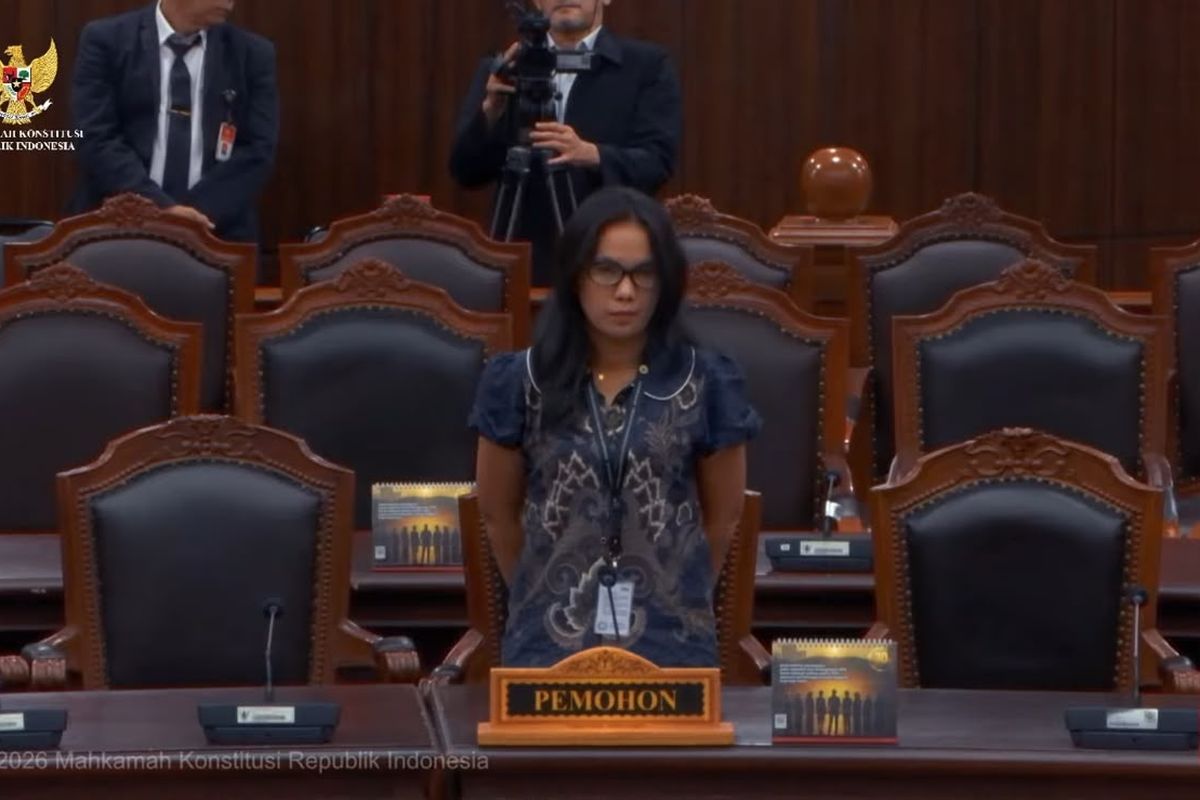
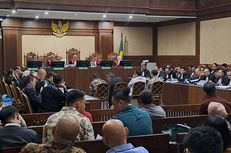
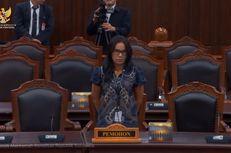
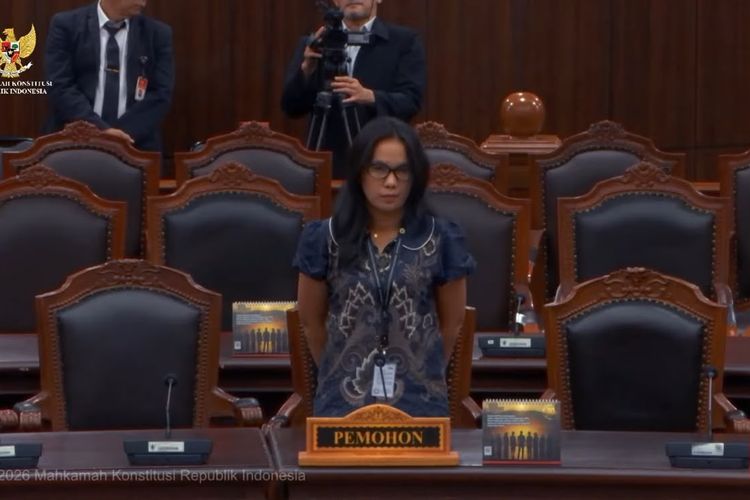
JAKARTA, KOMPAS.com - A woman named Bernita Matondang has filed a lawsuit regarding the Value Added Tax (VAT) imposed on sanitary pads to the Constitutional Court (MK).
She asserts that sanitary pads are an essential need for women to maintain cleanliness and health, which they purchase using their income.
"This need arises from a biological process that cannot be avoided, and therefore it is not a consumable choice that can simply be dispensed with. The petitioner regularly purchases these with available economic resources," Bernita stated during the hearing for petition number 406/PUU-XXIV/2026 held on Tuesday (10/11/2026), as cited from a YouTube broadcast of the MK.
In addition to the economic burden, she claims constitutional losses related to three guarantees in the 1945 Constitution.
First, she highlights an issue of legal certainty and fairness, as sanitary products are not mentioned in the list of essential goods outlined in Law Number 7 of 2021 concerning Tax Regulation Harmonization (HPP).
"(This) raises questions about the criteria and objective basis for determining which goods qualify for VAT facilities," Bernita remarked.
The second constitutional loss she identifies is that the tax on sanitary pads can have disproportionately negative effects on women.
Women have a biological condition that necessitates the use of sanitary pads to maintain their health and cleanliness.
"Third, there are issues of substantive equality, as the relevant biological needs have not been adequately considered in determining tax facilities for basic needs," Bernita added.
Because of this, she is challenging Article 16B paragraph (1a) letter j number 1 and the explanation of Article 16B paragraph (1a) letter j number 1 of the HPP Law, which she deems contrary to the 1945 Constitution.
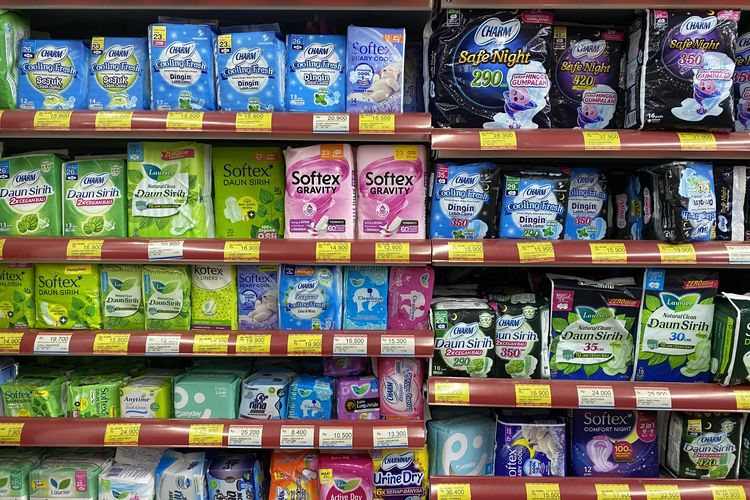 Various brands and types of sanitary pads displayed on the shelf of a convenience store in Depok, West Java, Thursday (29/10/2026).
Article 16B paragraph (1a) letter j number 1 of the HPP Law itself regulates VAT facilities for essential goods that are critically needed by the public.
The explanation for Article 16B paragraph (1a) letter j number 1 details the types of goods included in this category, such as rice, unhusked rice, corn, sago, soybeans, salt, meat, eggs, milk, fruit, and vegetables.
However, menstrual hygiene products, including sanitary pads, are not explicitly mentioned in this list of essential goods.
The absence of normative guarantees in the provision could result in essential needs related to human biological functions not receiving equitable consideration in tax policy determinations.
She believes this raises issues of legal certainty and fairness, as guaranteed by Article 28D paragraph (1) of the 1945 Constitution.
"To declare that Article 16B paragraph (1a) letter j number 1 of Law Number 7 of 2021 on Tax Regulation Harmonization is contrary to the Constitution of the Republic of Indonesia of 1945 and lacks binding legal force unless it is interpreted that the determination of essential goods critically needed by the public as a basis for granting VAT facilities must objectively, rationally, and proportionally consider essential needs related to human biological processes, including the need for menstrual hygiene products," Bernita read from her petition.
She also requests the MK to state that the explanation of Article 16B paragraph (1a) letter j number 1 of the HPP Law is contrary to the 1945 Constitution and has no binding legal power unless it is interpreted that the list of essential goods mentioned therein is not exhaustive, and that other goods characterized by essential needs, including menstrual hygiene products, should be included.