

Assessing the High Logistics Costs of the Archipelago
-
News
-
20 minutes ago
This article was translated by AI. Read the original article on Kompas.com. See Original
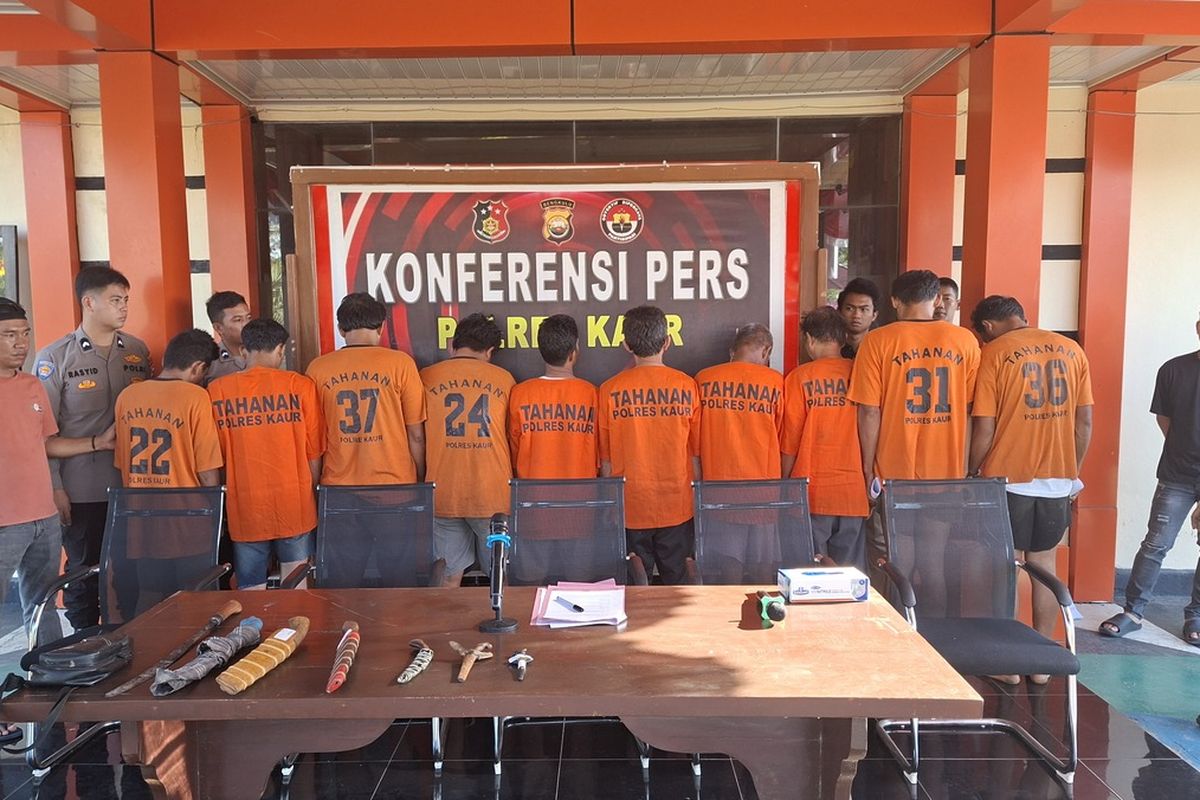
Fickar mentioned that not all children in conflict with the law, whether as perpetrators or victims, receive adequate legal, psychological, and social support from the outset of the investigation.
Victimized children often face administrative hurdles and a lack of certainty in fulfilling their rights to recovery.
Furthermore, coordination among law enforcement agencies and relevant institutions also needs to be strengthened.
Fickar believes that differing understandings and weak coordination between the police, prosecutors, courts, Bapas, and social services can hinder the smooth handling of children's cases, including in data recording of cases.
He also raised concerns about the debate surrounding the norms and age limits for children within the criminal justice system.
This issue includes the age limit for children, criminal responsibility, age classification, and the balance between the best interests of the child and justice for victims.
Previously reported, Deputy Speaker of the DPR, Sufmi Dasco Ahmad, said that the DPR will soon push for the revisions of the Child Protection Law and the Juvenile Justice System Law.
Dasco mentioned that revising these two laws is necessary following a surge in bullying cases involving children, whether in schools, public spaces, or cyberspace.
"We will push for the immediate processing of the Child Protection Law and juvenile justice laws as quickly as possible," Dasco said during the International Children's Day celebration at the Parliament Complex, Senayan, Jakarta, on Friday (20/11/2026).
According to Dasco, the revision of both laws is urgently needed to improve the handling of bullying cases against children.
He also called on various parties, including schools, victims' families, child protection organizations, and student councils, to provide input to the Legislative Body (Baleg) of the DPR during the discussion process.
"In the making of any legislation, there should be public participation, and we hope that all parties, such as schools, student councils, victims' families, and child protection agencies, provide comprehensive feedback to the legislative body," said the Gerindra Party politician.

























