

Choosing a New Vice President: Voting or Deliberation?
-
News
-
4 minutes ago
This article was translated by AI. Read the original article on Kompas.com. See Original
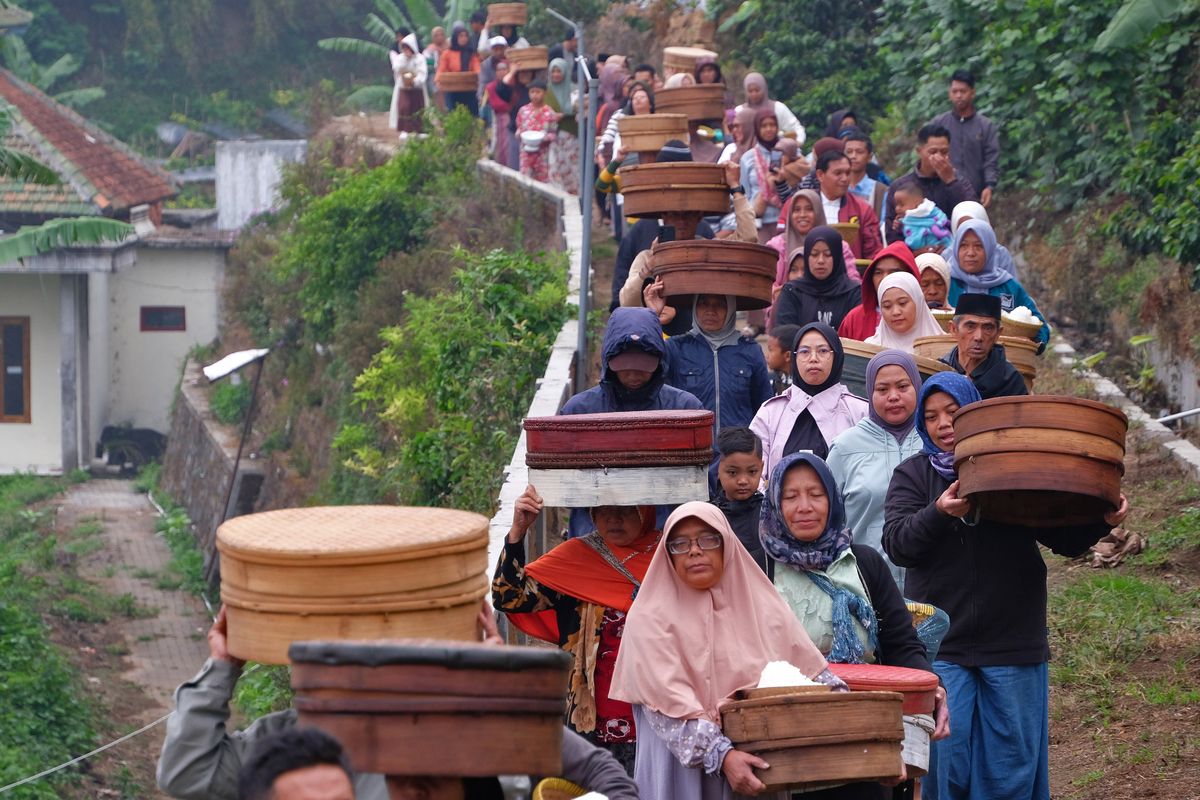
The principle of mutual cooperation is not just a moral value, but a real model of economic organization.
The second pillar: deliberative democracy. The fourth principle of Pancasila states that wisdom should be sought through deliberation/representation.
This demands more than mere vote counting. It requires a process in which affected citizens are truly heard before decisions are made.
In the case of indigenous peoples, this principle finds concrete expression in the need for informed consent, freely given, and requested before any projects begin.
This principle is also reflected in the UN Declaration on the Rights of Indigenous Peoples, which Indonesia supported in 2007.
The right to refuse should be understood as part of democracy, not an obstacle to investment. Legitimate investment is one that dares to accept a “no” answer and is willing to negotiate honestly.
This pillar also means strengthening village and customary autonomy, so decisions about living spaces can be taken closest to the impact.
Civic education should aim to cultivate critical and reflective citizens because, as noted by critical pedagogy theorists, democracy will not form without an educational culture that encourages all citizens to think critically, reflectively, and broadly.
The third pillar: culture as infrastructure. We often view infrastructure as roads, bridges, and ports.
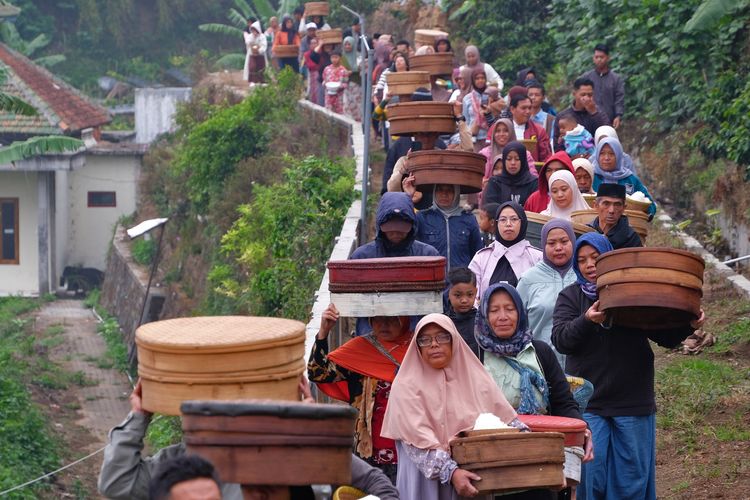
However, regional languages, customary ceremonies, traditional ecological knowledge, and local food systems are equally vital civilization infrastructures, and once lost, cannot be purchased back.
The state must nurture them with the same seriousness: documenting, teaching, and protecting communities' collective intellectual rights over their knowledge.
Universities and schools should open space for such local knowledge, so that younger generations do not feel they must choose between being modern and being rooted in their traditions.
Such ideas will surely provoke objections, and those objections must be addressed seriously.
The first objection comes from the economic side. Without significant investments, how do we create jobs for millions?
This objection is valid. The Third Republic does not reject investment but rejects investment that ignores citizen rights and ecological limits.
Legal certainty for investors will be stronger when land rights are clear, consultation is done from the start, and conflicts are not allowed to accumulate. Unresolved disputes become the costliest investment risk.
The second objection comes from the side of liberal democracy, that restrictions on the market and the strengthening of communities could pave the way for social control suppressing the individual.
This concern must also be respected. History shows that tradition, when dominated by local elites, can perpetuate hierarchies, marginalize women or minority groups, and silence differences.
Thus, the Third Republic does not replace citizens' fundamental rights with customary laws but places both in dialogue.
Freedom of expression, equality before the law, and protection of human rights remain the boundaries that cannot be crossed by anyone.
Living traditions are those that can withstand challenges and can easily be renewed by their citizens, including women and the younger generations of that community.
The third objection is practical: how can a country as large as Indonesia manage its many diverse local systems?
The answer is not uniformity, but a common framework that recognizes pluralism. The state sets minimum principles and rights, while communities fill it with contextually appropriate practices.
The principle of Bhinneka Tunggal Ika actually already holds this logic—since hundreds of years ago.
Ideas without actions are mere rhetoric, so several agendas must be proposed. First, expedite the enactment and implementation of laws protecting indigenous peoples that ensure recognition of territories, land rights, and meaningful consent mechanisms.
Second, simplify the procedures for recognizing customary forests and territories so they do not get stuck in bureaucratic processes.
Third, mandate genuine and open consultations in every project touching citizens' living spaces, with legally binding results.
Fourth, strengthen cooperatives and community enterprises through access to financing, assistance, and pro-community procurement policies.
Fifth, integrate local knowledge into curricula and development policies. Sixth, protect environmental and indigenous rights defenders from criminalization because a democracy that silences the guardians of the earth is, in fact, eating away at itself.
The word “republic” comes from the root res publica, meaning common affairs. It implies that there is something jointly owned and must be jointly protected, and that power is not personal property.
When those common affairs continue to be surrendered to market logic or uncontrolled power, the republic becomes merely a name.
The Third Republic is an invitation to remember that origin. It calls on us to reject the old dichotomy that forces a choice between the market and the state, between progress and roots, between modernity and wisdom.
It invites us to weave everything together: deliberative democracy, trust-based economy, and culture as a source of life for a shared future.
The measure is simple and can be used by anyone to test any claims about development.
Do farmers, fishermen, indigenous women, and the most vulnerable groups have a real voice in decisions that determine their lives? Can the land we inherit still provide for future generations?
As long as the answers are not promising, our work as a nation is not finished. As long as the right to life of every group, including those who have long maintained this land, is not respected, then our beloved Republic of Indonesia has not yet fully become ours together.