

40 Witnesses Prepared to Prove IDR 30.9 Billion Gratification Case against Former MPR Secretary General Ma’ruf Cahyono
-
News
-
Just now
This article was translated by AI. Read the original article on Kompas.com. See Original
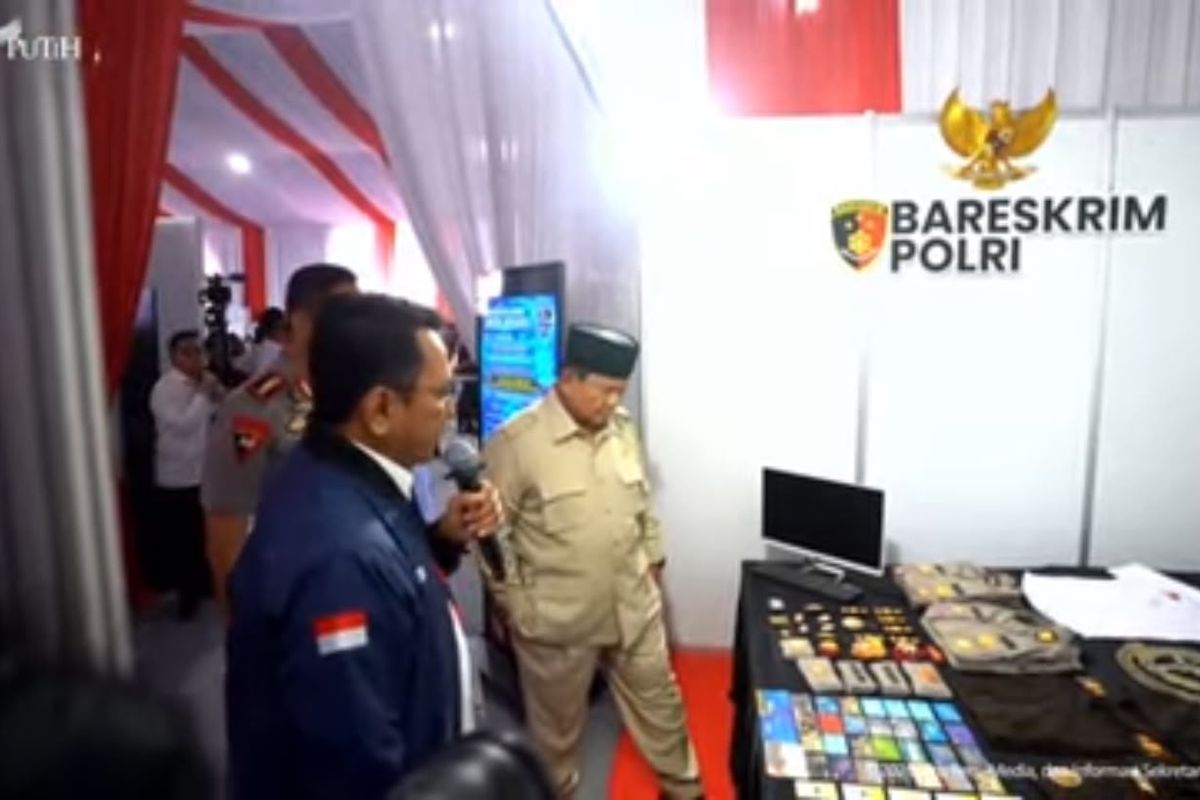
JAKARTA, KOMPAS.com - The Indonesian National Police showcased the dismantling of an international scam syndicate operating in Manila, Philippines.
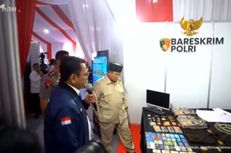
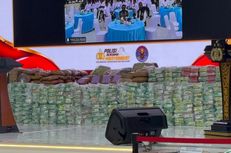
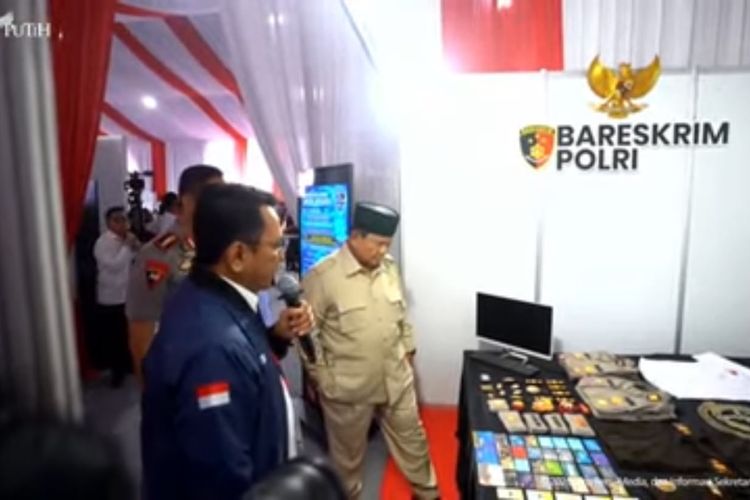
This was conveyed by Brigadier General Suhermanto, Director of Cyber Crime at the Criminal Investigation Agency of the Police (Bareskrim), while addressing President Prabowo Subianto during a narcotics destruction event involving 601.7 tons of drugs at the Bhayangkara Field in Kebayoran Baru, South Jakarta, on Thursday (23/11/2026).
“We from the Cyber Crime Directorate of Bareskrim wish to explain the results of uncovering an international online fraud network in Manila, Philippines,” Suhermanto told the President, accompanied by the National Police Chief, General Suyudi Ario Seto.
This operation is the result of a joint effort between the police, the Ministry of Foreign Affairs, the Ministry of Immigration and Corrections, the Ministry of Communication and Digital, and the Philippine police.
Suhermanto detailed that police found several government agency attributes at the operation site.
Among these were uniforms from the police, the prosecutor's office, and the Financial Transaction Reports and Analysis Center (PPATK).
Additionally, officials found photos of President Prabowo, the National Police Chief, as well as logos from Bareskrim, PPATK, and the prosecutor's office.
Police also seized several computers and mobile phones used by the suspects to access personal data of potential victims.
This data is believed to have been obtained from various websites that experienced breaches.
“So, they take victims from leaked website data to commit fraud, then they call the victims in Indonesia,” he explained.
According to Suhermanto, the perpetrators divided their roles into three groups or lines.
The first group acted as customer service representatives for shipping services.
They contacted the victims pretending to inform them that they had received a package.
Following that, the second group assumed the role of the police, ostensibly helping the victims.
They informed the victims that the package contained narcotics and offered assistance to resolve the issue.