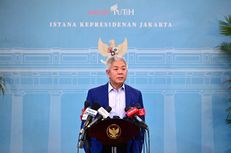

Attorney General’s Office Names Arif Kurniawan and PT BSJ as Suspects in Money Laundering Case Related to Nickel in Southeast Sulawesi
-
News
-
17 minutes ago
This article was translated by AI. Read the original article on Kompas.com. See Original
JAKARTA, KOMPAS.com - Political analyst Pangi Syarwi Chaniago believes that consensus-based decision-making is a better mechanism than voting in parliamentary decisions.
Pangi argues that consensus can protect the decision-making process from potential transactional practices, such as vote buying.
He warns that the practice of exchanging votes for money risks undermining governance and creating an unhealthy political environment.
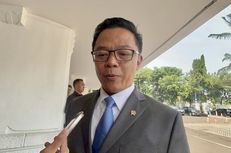
"It's a case of votes and money, for instance. That's what we're worried about happening," Pangi told Kompas.com on Wednesday (25/11/2026).
For this reason, Pangi advocates that decisions should ideally be reached through deliberation, as long as parliament members share common ground in vision, mission, and programs.
He believes a mutual agreement is preferable over immediately resorting to a voting mechanism.
"If it can be resolved among 540 members of the House of Representatives, why do we need to vote if there's already common ground, shared vision, mission, and so forth? Let's just reach an agreement without the need for voting," he said.
Pangi also notes that consensus is an indigenous culture of Indonesia that should be prioritized in decision-making processes.
"Consensus is fundamentally Indonesian, made in Indonesia; voting is imported," he remarked.
To prevent transactional practices or vote rigging, Pangi emphasizes the need for oversight, control, checks, and monitoring of all members of the House of Representatives and the People's Consultative Assembly (MPR).
"To ensure there are no market games. This must be elegant and dignified," he asserted.
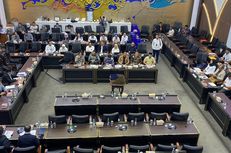
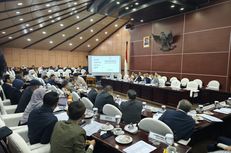
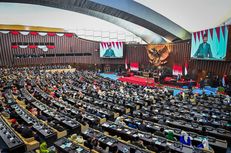
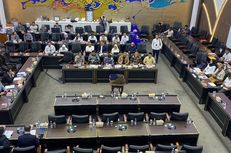
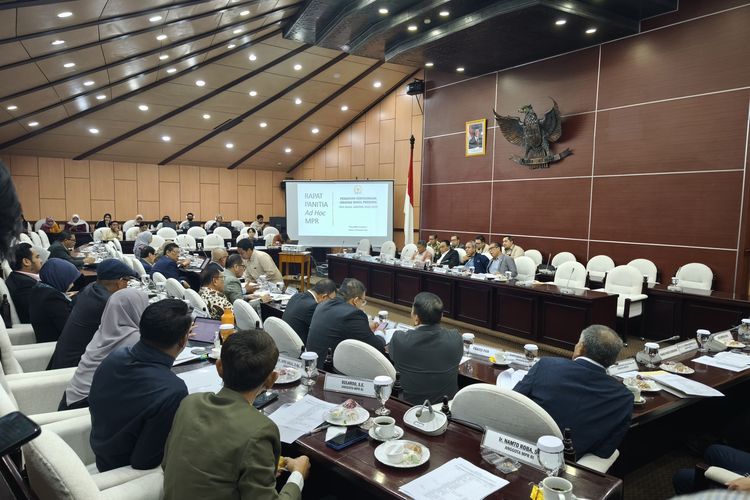
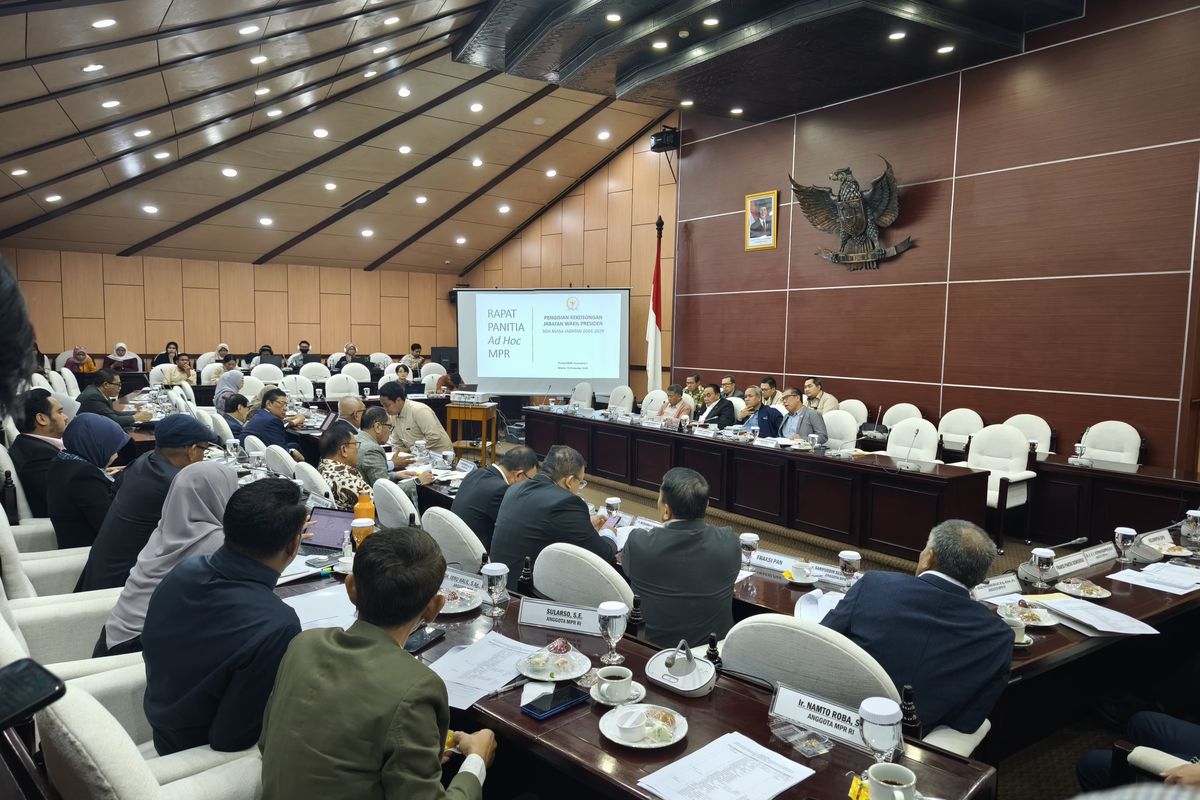
The MPR of Indonesia will review the proposal for the election of the vice president through deliberation rather than voting during a plenary session.
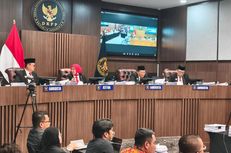
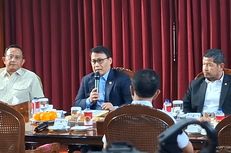
Acting Chairman of the Ad Hoc Committee (PAH) of the MPR, Benny K Harman, stated that this proposal arose in preliminary discussions on Tuesday (24/11/2026), as it aligns with the fourth principle of Pancasila.
"Some have suggested consensus-based decision-making because it embodies our nation's spirit, which is in line with the fourth principle of Pancasila. However, others assert that according to our constitution, all decisions in the MPR must go through voting," Benny stated at the Parliament Complex in Senayan, Jakarta, on Tuesday.
Benny emphasized that both options have not been decided yet, as discussions are still focused on gathering input from PAH members.
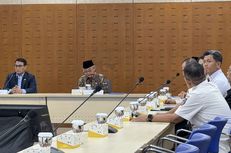
To further explore these proposals, the PAH will invite eight constitutional and administrative law experts on Wednesday (25/11/2026).
Benny mentioned that several confirmed attendees include Mahfud MD, Jimly Asshiddiqie, Hamdan Zoelva, Adi Matalatta, Satya Arinanto, and Fitra Arsil.
"Tomorrow, the ad hoc committee will invite these eight experts in constitutional and administrative law to provide scholarly guidance for the committee in preparing the clauses, draft decisions, and draft regulations for the MPR," Benny concluded.