

Komnas Perempuan Records 213 Cases of Femicide in the Last Year
-
News
-
Just now
Writer
This article was translated by AI. Read the original article on Kompas.com. See Original
JAKARTA, KOMPAS.com - The National Commission on Violence Against Women (Komnas Perempuan) has recorded 213 femicide cases in the past year, covering the period from November 2025 to October 2026.
Femicide refers to the killing of women and girls related to gender-based violence, particularly the unequal power dynamics involved.
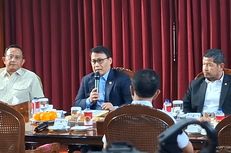
Chairperson of the Resource Center at Komnas Perempuan, Chatarina Pancer Istiyani, stated that the data was collected through monitoring of online media by the commission.
"The results of this media monitoring indicate that a systemic approach to handling femicide is becoming increasingly urgent," she said during a discussion event on Wednesday (25/11/2026).
She noted that the monitoring still relies on secondary data and does not fully represent the scope of femicide cases in Indonesia.
"This data does not provide a complete picture of the femicide situation in Indonesia, which is akin to an iceberg phenomenon, particularly due to the biases often found in reporting on murders of women," she added.
To strengthen the recognition of femicide in legal contexts, Komnas Perempuan frequently advises judges examining and ruling on femicide cases.
This includes considering the rights of victims and their families through a deeper analysis of potential femicide occurrences within criminal cases.
In the same forum, Komnas Perempuan Commissioner Sri Agustini expressed hope that judges, in their rulings, would elaborate on the facts revealed in court that reflect the context of gender-based violence and indicators of femicide in those cases.
"Thus, the court's decisions can serve as a reference for documenting and recording femicide, as well as strengthening national policy advocacy to eliminate femicide," she stated.
Komnas Perempuan also calls on the government, law enforcement agencies, the Supreme Court, service institutions, media, community leaders, and the public in general to better understand femicide and the various factors that may influence and threaten female victims.