
Reasons Behind the Preparation of 4 Subject Clusters in Senior High School by the Ministry
-
News
-
3 minutes ago
This article was translated by AI. Read the original article on Kompas.com. See Original
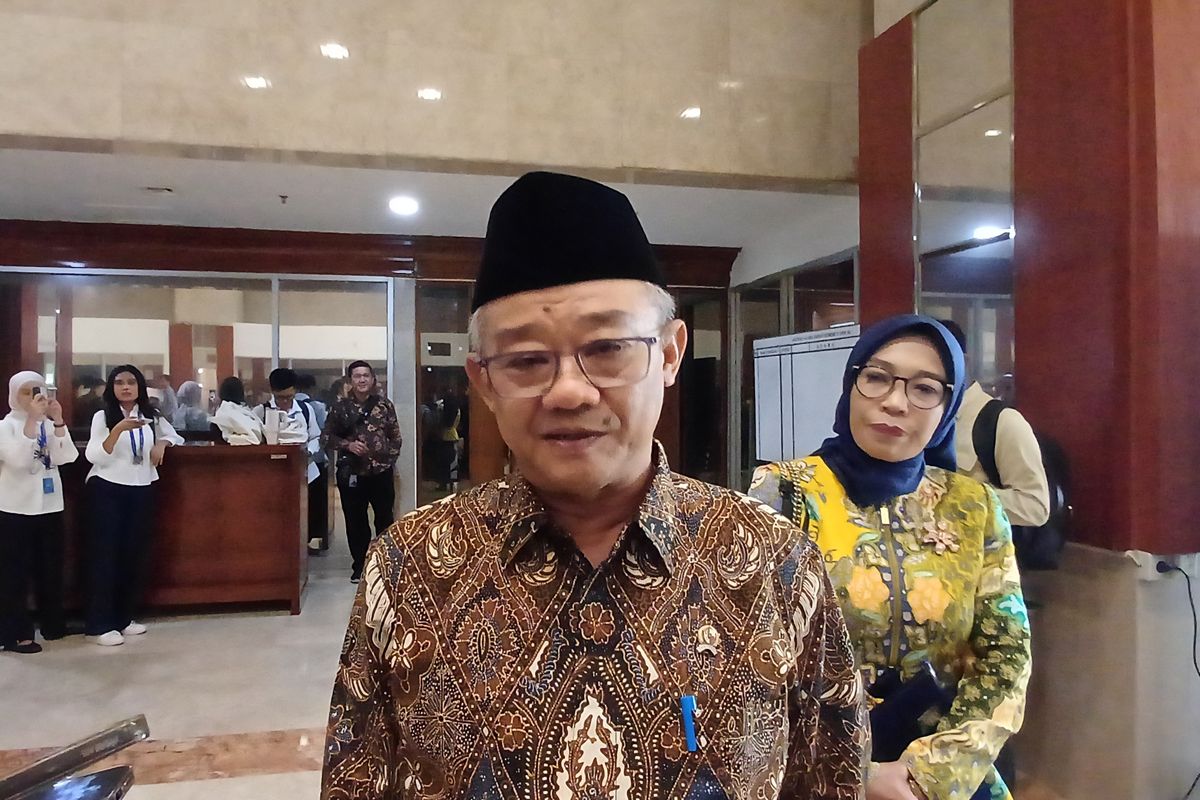
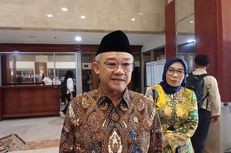
JAKARTA, KOMPAS.com - The Minister of Primary and Secondary Education (Mendikdasmen) Abdul Mu'ti explained the government's rationale for establishing four subject clusters for senior high school (SMA) and equivalent levels.
The purpose of these four clusters is to align high school education with the subject developments found in higher education.
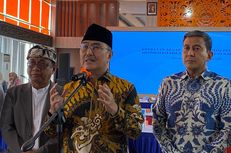
"We need to look at the development of scientific fields today and how it relates to the direction of majors in higher education," Mu'ti stated after a meeting at Commission X of the Indonesian Parliament in Jakarta on Wednesday (25/11/2026).
He noted that this initiative is still in the drafting process.
Mendikdasmen will also conduct public testing and gather community input prior to finalization.
"So, this is still in the drafting stage, and according to the law, it must go through public testing and receive feedback from the community, so this is still an early process that cannot yet be concluded," he explained.
The four proposed clusters are technology and engineering, science and health, social studies, and humanities.
"The model we propose involves directed study programs with four clusters: technology and engineering, science and health, social studies, and humanities," Mu'ti mentioned during the Commission X meeting.
According to him, students will choose one program.
"Each program will consist of three mandatory subjects within the cluster and one to two elective subjects," Mu'ti noted.
He mentioned that this subject clustering will be implemented starting with students in grade 11.
"Exploration will occur in the first semester of grade 10, beginning with exploration and validation in the second semester of grade 10, and learning will commence in the first semester of grade 11. Students will be given time to recognize their potential, guided by academic advisors and their parents," he said.
For Mu'ti, successful subject clustering requires a division of roles.
Mendikdasmen will develop regulations and guidelines, while related ministries and universities will clarify relevant subjects corresponding to study programs and admission requirements for higher education.
He emphasized the need for the Education Office to map the readiness of teachers and facilities, as well as academic advisors and homeroom teachers.
Moreover, parental involvement is essential to support students' choices.
"Clustering is not about categorizing students, but rather guiding their talents to prevent them from going astray," he stated.