

KPK Temporarily Suspends Detention of Fahd Arafiq to RS Polri Due to Illness
-
News
-
1 minute ago
This article was translated by AI. Read the original article on Kompas.com. See Original
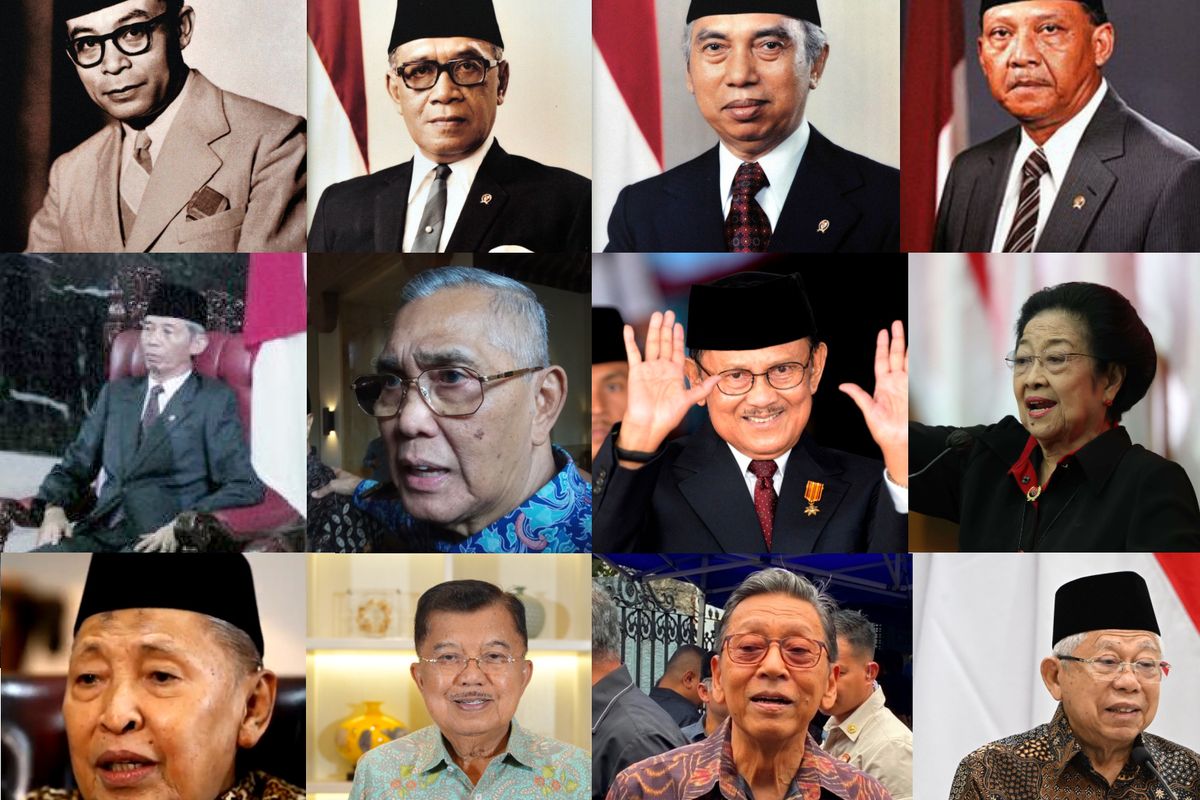
"Politicians are narrating things they do not understand and attempting to engage in high-level political bargaining that essentially has little impact on society," Feri noted.
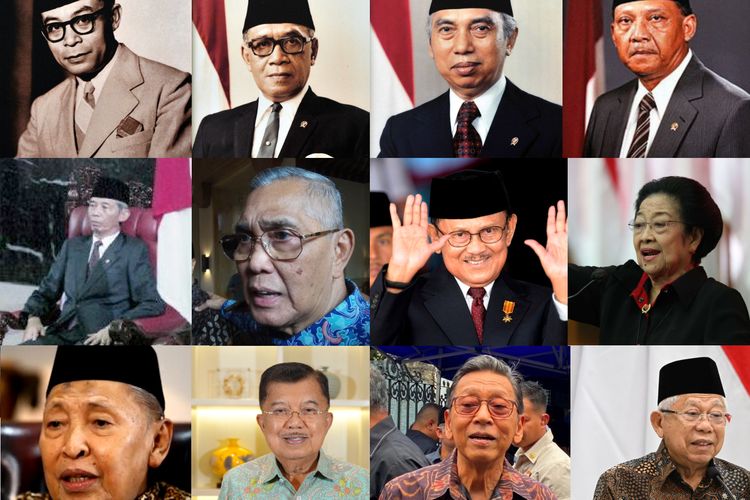
Adding vice president positions is also viewed as not a viable solution to enhance regional roles and representation in the national government.
Executive Director of Asah Kebijakan Indonesia, Nicholas Martua Siagian, states that the Constitution already establishes the Regional Representative Council (DPD) to bring regional interests into the constitutional process, specifically through legislative, advisory, and supervisory functions relating to regional matters.
The Constitution also provides a constitutional framework for regional governance, the relationships between central and local governments, regional autonomy, and acknowledgment of the uniqueness and diversity of regions.
"If oversight of the regions is not functioning optimally, what needs to be evaluated is the effectiveness of oversight functions, inter-agency coordination, and existing policy instruments, not just creating new positions," Nicholas wrote in a Kompas.com column.
According to him, equitable territorial justice should be strengthened through decentralization, fiscal equity, empowering local government capacity, and fair distribution of development.
The issue of disparities between regions will not be resolved merely by placing high-ranking officials in various areas.
"What is needed is the capacity of local governments to plan, budget, implement, and evaluate development effectively," said Nicholas.
In agreement, researcher from the Forum for Concerned Citizens on the Indonesian Parliament (Formappi) Lucius Karus stated that strengthening regional autonomy could be a viable option, as Indonesia's current constitutional system adheres to regional autonomy.
Regional autonomy ensures that regional governance is led by local leaders as the "extension" of the central government, led by the president and vice president.
"What needs to be done now is to strengthen regional autonomy and ensure that the president does not become a centralist figure so that the diversity of regional progress can be promptly visible. The role of governors as the central government's extension must also be reinforced so that the central presence remains close to the regions," explained Lucius.
Lucius continued, noting that the president's presence in the regions has already been represented by governors.
Functionally, governors embody the presence of the central government in their regions while coordinating governance.
Additionally, at the central government level, Indonesia already has coordinating ministries and technical ministries that can assist the president through its bureaucracy to ensure equitable policies nationwide.
"Thus, hierarchically, the necessity for more than one vice president is irrelevant," he stated.