


KPK Temporarily Suspends Detention of Fahd Arafiq to RS Polri Due to Illness
-
News
-
Just now
This article was translated by AI. Read the original article on Kompas.com. See Original
Thus, progress in the regions will soon become evident.
"The role of governors as the extension of the central government must also be further strengthened to keep the central authority close to the regions," Lucius said.
However, should the desire to add the number of vice presidents be accepted, the government would inevitably need to amend the constitution. That too is likely to face public resistance.
"If the push for amendments is merely due to the DPD's desires, then almost certainly the public will resist," Lucius pointed out.
Deputy Chairman of the MPR RI, Bambang Wuryanto, also known as Bambang Pacul, affirmed that the addition of vice presidents must be done through constitutional amendments. Alongside Feri, he noted that the 1945 Constitution only provides for one vice president.
However, as of now, there is no urgency to increase the number of vice presidents to three.
"Leaders should suggest valid proposals, not these kinds of ideas," he quipped at the Parliament Complex on Monday.
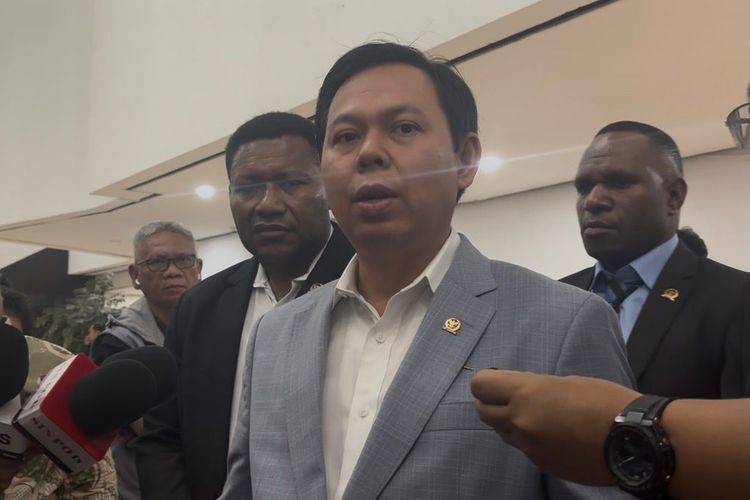
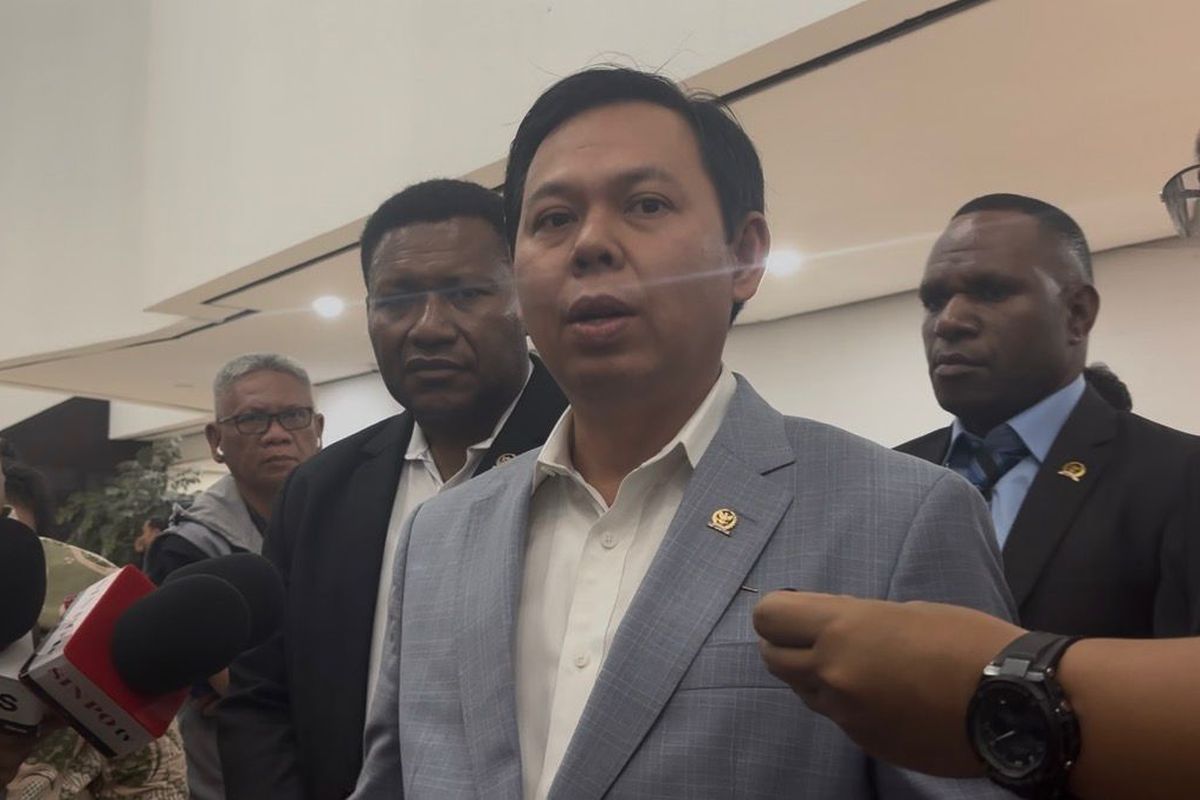
DPD Chairman Sultan Bachtiar Najamudin explained that the proposal he presented is not meant to be established immediately.
He asked the public to consider this idea more comprehensively as part of thinking about the future of the national leadership system that needs consideration.
He explained that Indonesia is a unique country. Geographically, it is vast with a large population.
With thousands of islands, ethnicities, cultures, customs, and diverse issues in each region, its territory is extensive and its population sizable.
He further reminded that Indonesia emerged from the spirit of unity among various regions, kingdoms, sultanates, and all elements of the nation, sharing a common aspiration to build a free Indonesia.
Thus, he considers how to construct a national leadership system capable of reaching all areas of Indonesia, strengthening the relationship between the center and the regions, while providing greater space for regional aspirations.
"If at some point there is a thought to change this, it must undergo very serious studies, constitutional processes, and broad national agreements," Sultan clarified.
He also acknowledged that this proposal is not necessarily the right one. Therefore, it needs to be discussed, examined, and critiqued further.
That is why Sultan wants this idea to be openly discussed, examined, critiqued, and even debated by constitutional experts, academicians, politicians, and the public.
"Who knows, from those discussions, better ideas may emerge," he asserted.