
The Mechanism for Electing the Vice President Begins, How to Ensure Transparency?
-
News
-
16 minutes ago
This article was translated by AI. Read the original article on Kompas.com. See Original
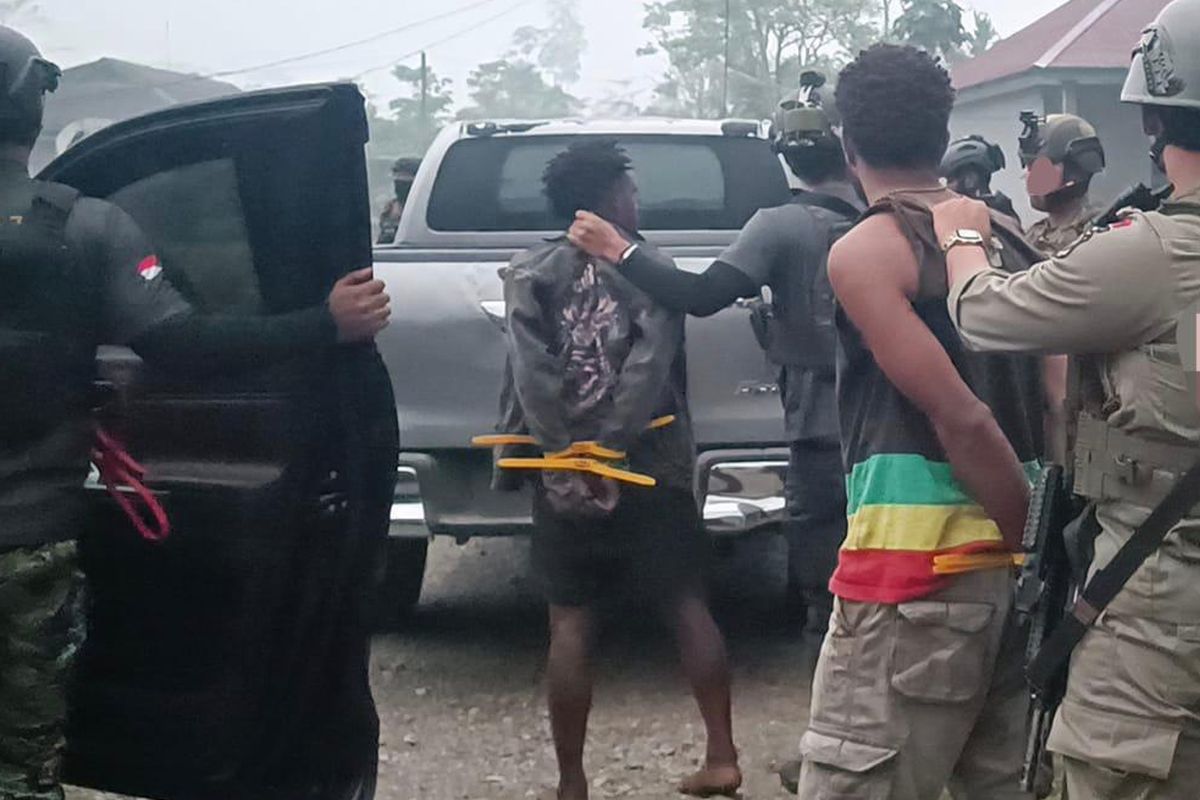
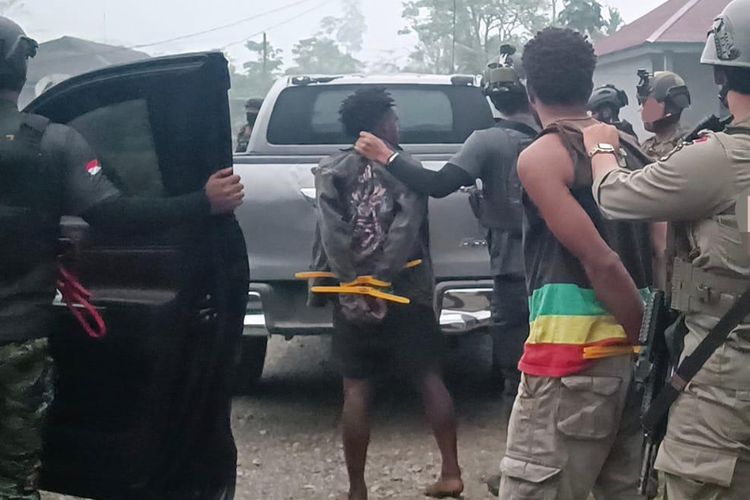
JAKARTA, KOMPAS.com - The designation for armed groups in Papua has changed once again.
Recently, the Indonesian National Armed Forces (TNI) has reclassified the groups as Armed Extremist Groups (KEB), shifting from the previous term Organization of Free Papua (OPM) based on the Secret Telegram (STR) of TNI Commander Number STR/107/2026 dated November 18, 2026.
This change in nomenclature adds to the long history of terminology used by the government to refer to armed groups in Papua.
So, what terms have been previously used in Indonesia for these extremist groups?
The term Organization of Free Papua (OPM) began to be used around 1965.
In its early phases, the term OPM referred to a Papua independence movement.
Its mission was to end the governance of the provinces of Papua and West Papua, formerly known as Irian Jaya.
One of the notable armed insurrections associated with the initial movement occurred on July 26, 1965, in Kebar, Manokwari, West Papua.
As cited by Kompas.com, this group intended to separate from Indonesia.
OPM often advocated for a referendum in order to achieve independence from the Unitary State of the Republic of Indonesia (NKRI).
In pursuing its ambitions, the group has at times engaged in criminal acts that resulted in fatalities.
Consequently, the government initiated a Special Autonomy for Papua, backed by a substantial budget.
However, this funding primarily benefitted an elite minority rather than reaching the broader society.
This deviation then triggered massive resistance movements from OPM, which carried out various criminal actions.
One of the criminal actions conducted by OPM occurred in 1996 when they took several Europeans and Indonesians hostage, comprising researchers and forest activists.
Two hostages from the research group were killed, while the others were released.
For a considerable time, both TNI and the police used this term interchangeably.