
Evidence in the Coup Case Against Listyo Sigit: Three-Finger T-Shirts and One Piece Flags
-
News
-
3 minutes ago
This article was translated by AI. Read the original article on Kompas.com. See Original
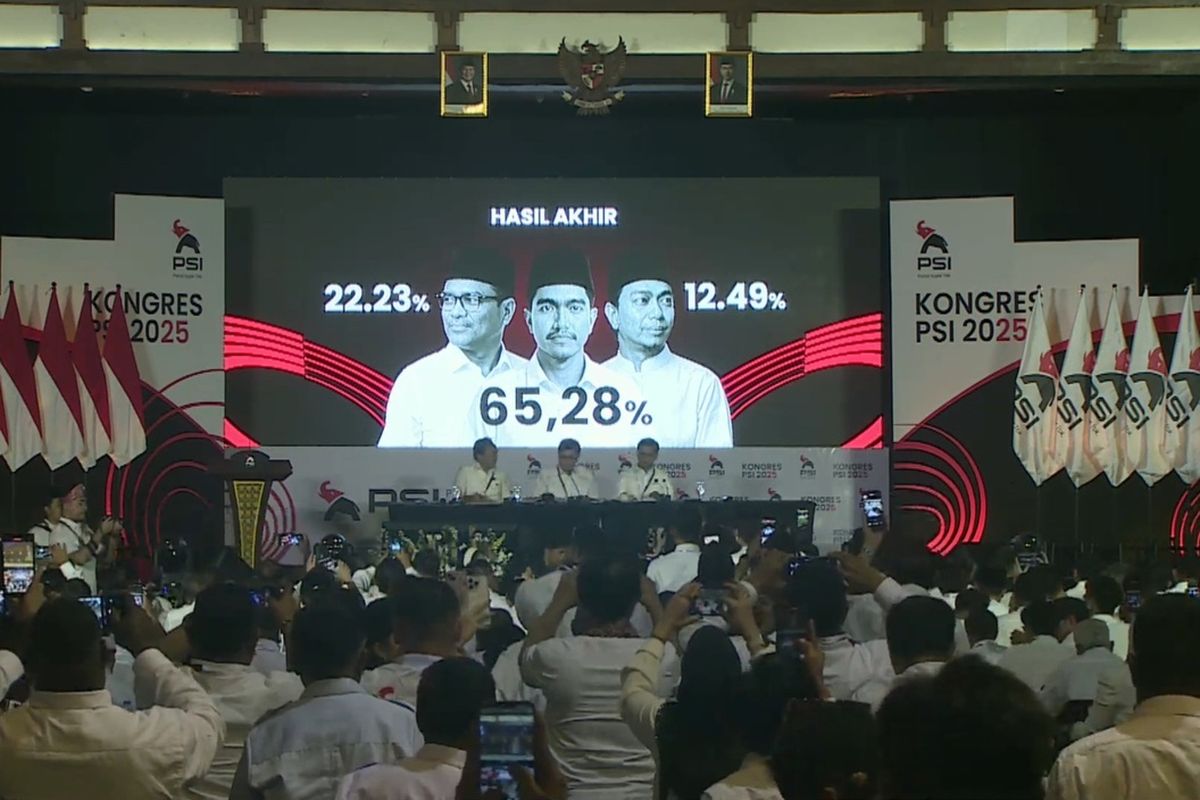
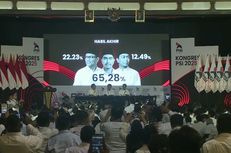
JAKARTA, KOMPAS.com - The resignation of several officials, including Gibran Rakabuming Raka as Vice President, has not deterred the Indonesian Solidarity Party (PSI) from continuing to support President Prabowo Subianto's administration.
Grace Natalie, Secretary of the PSI’s Advisory Council, stated that the party will keep backing Prabowo's policies that prioritize the interests of the people.
On the other hand, the absence of party officials in the cabinet is seen as an ideal time for the party, symbolized by an elephant, to assume the role of opposition.
Political analyst from Sebelas Maret University (UNS), Agus Riewanto, believes this situation is tied to the advantages and disadvantages that PSI must weigh.
So, what are the potential gains or losses for PSI if they choose to stay or not support the government at all?
Agus views that one of the benefits under consideration is the strategic positioning close to power.
Supporting the government means being closer to this position rather than becoming the opposition.
It is not impossible for PSI to still find room to secure several strategic positions, even if they are not at the ministerial level.
"PSI gains proximity to power, allowing them to place officials in commissioner roles, special staff, and government programs," Agus told Kompas.com on Sunday (22/11/2026).
Moreover, he noted that PSI's image is relatively safe, presenting themselves as a youth party pro-stability, not as troublemakers.
"Supporting the government also facilitates PSI in building structures down to the village level and attracting donations. Most importantly, PSI can claim the government's successes as their own, which will be crucial for the 2029 elections," he added.
Conversely, if PSI opts to become the opposition and criticize President Prabowo's policies, the party may lose access to power.
It could also be seen as disloyal by Jokowi-Prabowo voters, risking alienation from the larger coalition.
He admits that being in opposition provides a critical and independent image.
However, this does not yield significant impacts for a small party.