
Rushed Passage of Asset Seizure Bill Seen as a Push for Sympathy
-
News
-
1 minute ago
This article was translated by AI. Read the original article on Kompas.com. See Original
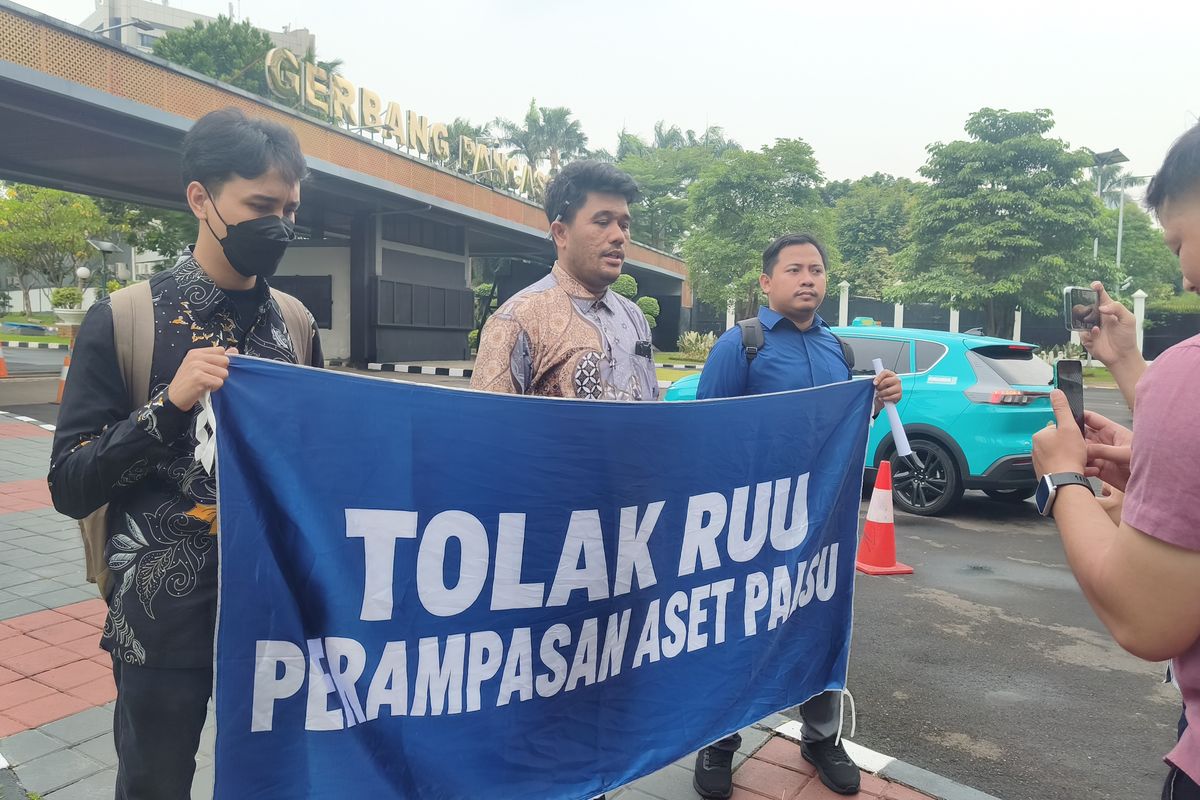
JAKARTA, KOMPAS.com - Constitutional Law expert from UIN Sunan Kalijaga Yogyakarta, Gugun El Guyanie, has criticized the swift passage of the Bill on Asset Seizure Related to Corruption and Other Crimes, claiming it is merely an effort to gain public sympathy.
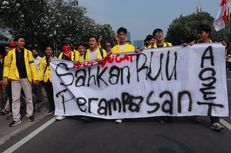
According to him, the bill, which has been stagnant for years, was suddenly expedited by the House of Representatives (DPR) without meaningful public participation.
"I observe that the hurried process of our legislature's approval is purely political, aimed at winning public sympathy," said Gugun in a statement on Friday (20/11/2026).
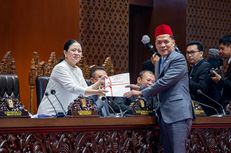
"People should not be deceived by the DPR's celebration, claiming to have successfully passed an asset seizure bill that has been unclear for the past 23 years," he added.
Gugun believes that the substance of the newly passed Asset Seizure Law does not contribute to combating corruption, but instead accommodates the interests of specific groups.
"It appears as though the DPR is working hard to fulfill promises related to the asset seizure bill. However, the aspirations of the people have been discarded in this law. What has been approved are articles that benefit oligarchs and conglomerates affiliated with the ruling regime," he stated.
Gugun also pointed out procedural flaws in the legislative discussion of the law.
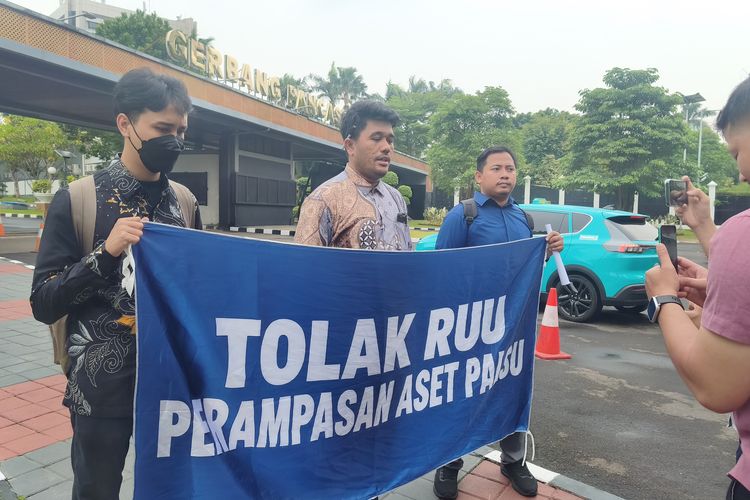
He noted that lawmakers have closed off access to civil society groups focusing on anti-corruption issues, only accommodating input from parties aligned with business interests.
"The formal aspects of the legislative formation process are clearly problematic, lacking transparency and excluding meaningful participation from civil society groups concerned with anti-corruption issues. Only proposals from academics and groups supporting oligarchic interests are heard and considered," Gugun remarked.
He added that the poor legislative process directly impacts the quality of the norms contained within.
According to Gugun, a flawed formal process generates poor content that does not support the ideals of combating corruption.
He suspects political compromises were made due to many political parties and legislators' financial dependencies on problematic business tycoons, leading to the trimming of crucial articles such as reverse burden of proof or illicit enrichment.
"This law is born from compromises with oligarchic interests threatened by articles on illicit enrichment. Many political parties rely on problematic conglomerates. Numerous lawmakers owe favors to mining mafias, problematic palm oil entrepreneurs, and election donors evading taxes," he explained.
Therefore, he urges community members to immediately file a request for judicial review of the law with the Constitutional Court, reflecting on the precedent set by the judicial review of the Job Creation Law.
"The people still have avenues for struggle through formal and material tests at the Constitutional Court. A formal test will challenge the legislative processes that lack transparency and fail to provide meaningful participation. It can also serve as a material test," Gugun concluded.