
Rushed Passage of Asset Seizure Bill Seen as a Push for Sympathy
-
News
-
19 minutes ago
This article was translated by AI. Read the original article on Kompas.com. See Original
THERE is a question that does not wait for an answer. It simply asks us to pause for a moment and look at ourselves.
This kind of question rarely arises in boardrooms.
It usually comes unexpectedly, from the lips of elders who have witnessed many eras, and then settles in our hearts longer than any speech.
On Thursday (19/11/2026), at Ronatama Graha & Convention Hall in Depok, I sat adorned in a toga among the graduates of STIPAN.
The toga felt heavy—not because of the fabric, but due to the hopes it carried upon my shoulders.
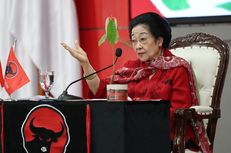
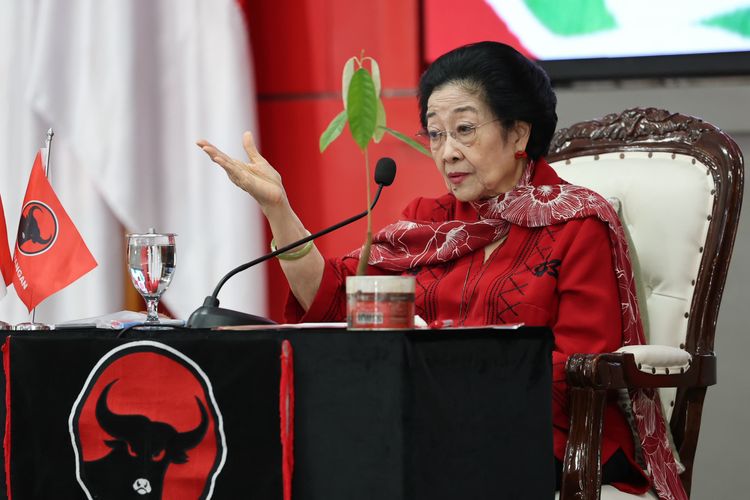
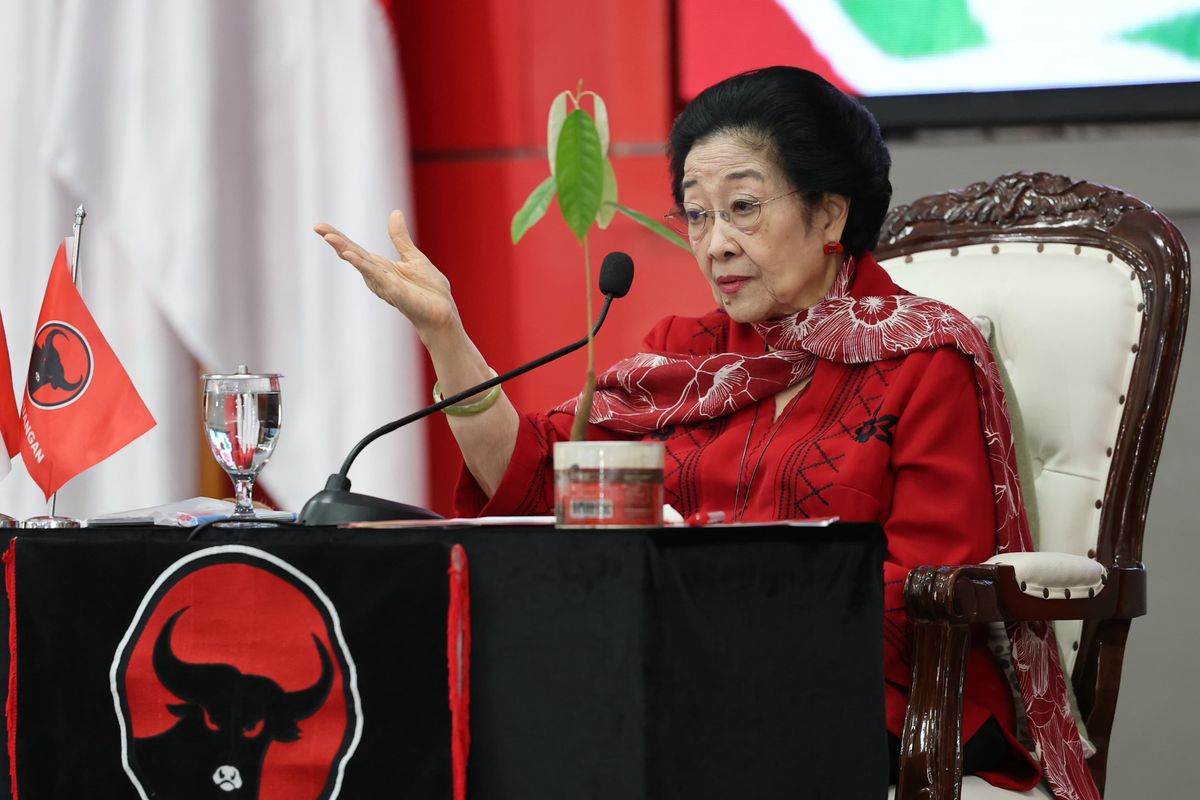
Then, the 5th President of Indonesia, Megawati Soekarnoputri, delivered a scientific oration. A day that was supposed to belong to us turned into a day for inquiry.
Her challenge touched upon power that has lost its ethics, bravery that is increasingly rare, and the actions of officials whose impacts must be borne by society.
The oration felt like an invitation to revisit the meaning of leadership, especially when one is granted authority over the lives of others.
"Because being a leader is difficult, but being President is easy." That sentence is short, but it carries something we have long forgotten.
A position can be attained by anyone with enough votes. Leadership cannot. It must be proven day after day, especially when no one is watching.
Every leader, she said, will be tested on their consistency, steadfastness, and demeanor while in power. The path is filled with "sharp stones."
These stones belong not only to the president. They are present on the desks of officials who decide with one signature, in the hands of staff members who can hasten or halt a document, and even in small organizations where one holds a slight influence.
Max Weber reminds us that power is only legitimate if it conforms to the rules.
Franz Magnis-Suseno adds that power must also be accountable before the conscience. A person given a key does not automatically have the right to rummage through a cabinet's contents.
Because the road is slick, Megawati offered us five grips: conviction, steadfastness, courage, patience, and strategy. For me, all five are like steps.
Conviction helps us know our purpose. Steadfastness keeps us on track even when the winds turn.
Courage enables us to reject comforts that feel wrong.
Patience prevents us from taking tempting shortcuts. Strategy allows good intentions to find their way. All of it culminates in truth, where leadership is ultimately tested.
Then she uttered something that silenced me. Today, everything feels like "it requires command all the time," she said, and "no one dares."