

Prabowo Amazed by Trump, Putin, and Xi Jinping Meeting at APEC Summit
-
News
-
3 minutes ago
This article was translated by AI. Read the original article on Kompas.com. See Original
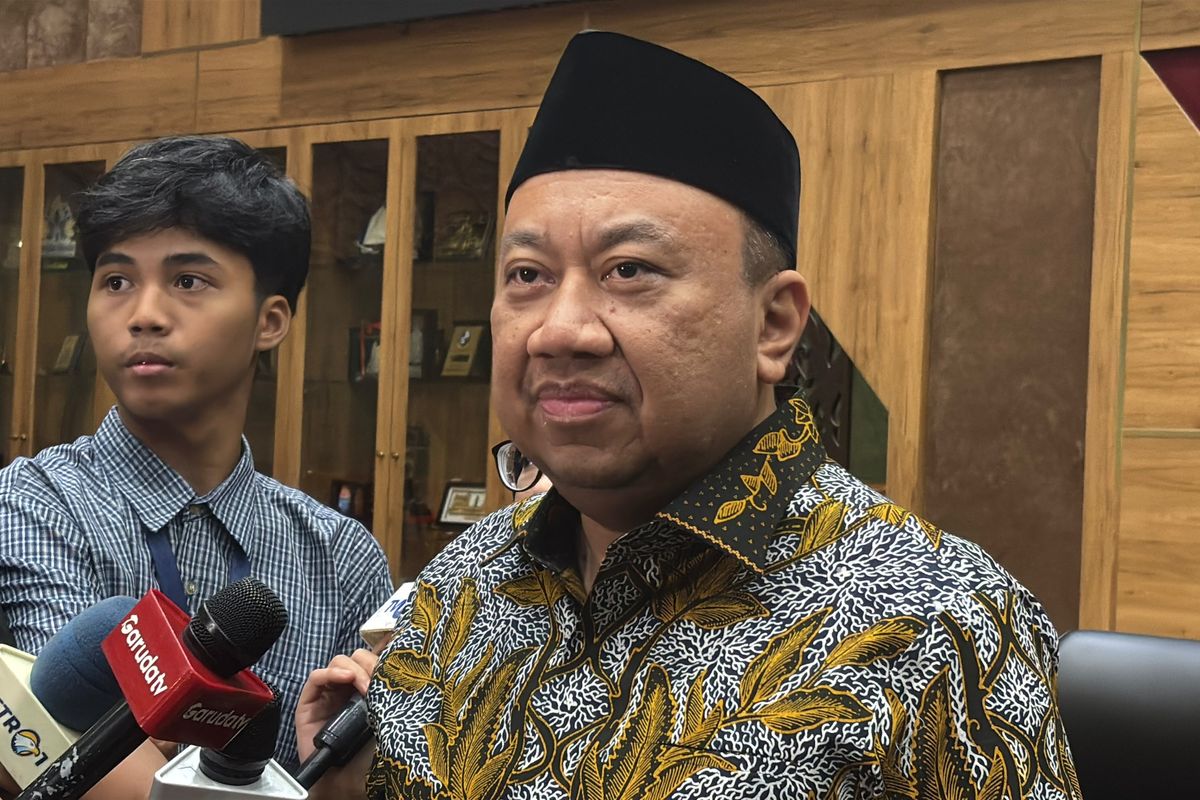
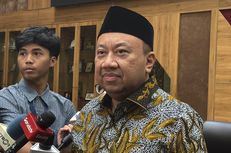
JAKARTA, KOMPAS.com - Lalu Hadrian Irfani, Deputy Chair of the Indonesian House of Representatives (DPR) Commission X, has urged the government to reassess the proposal to relocate the Javan rhinoceros (Rhinoceros sondaicus) from Ujung Kulon National Park in Banten to Alas Purwo National Park in East Java.
Lalu also called for the National Research and Innovation Agency (BRIN) and universities to be involved in reviewing this proposal.
"BRIN and universities should be given the opportunity to conduct independent and in-depth studies," Lalu told reporters on Thursday (19/11/2026).
According to him, involving researchers and academics is essential to provide objective recommendations regarding habitat feasibility, population sustainability, and potential ecological impacts.
"We need to listen to experts in biology, ecology, veterinary medicine, genetics, forestry, and various other disciplines. We must not make strategic decisions like this before research results provide adequate certainty," he explained.
Lalu emphasized that the plan to relocate this critically endangered species should not be rushed.
The government also needs to ensure that every decision is based on thorough research and scientific assessments.
Lalu does not want the intention to save the Javan rhinoceros to inadvertently create new risks for the survival of the species.
"In principle, we do not support the relocation of the Javan rhinoceros without a truly comprehensive scientific study. This is not merely about moving animals from one area to another, but about the survival of a very rare species that is part of Indonesia's biodiversity richness," he stated.
The politician from the National Awakening Party (PKB) also believes that the issue of the Javan rhinoceros should be an opportunity to strengthen the independence of research and innovation in biodiversity conservation.
According to Lalu, research on the Javan rhinoceros should be developed sustainably, starting from population mapping, genetic studies, rare animal reproductive technology development, wildlife monitoring, to early detection systems for disaster and disease threats.
Lalu also encourages the government not to overlook efforts to protect the Javan rhinoceros's original habitat in Ujung Kulon.
"Ujung Kulon must remain a protection priority. If the government has concerns about threats from natural disasters, then risk mitigation, strengthening of area security, and research on habitat resilience must also be a focus. All alternatives need to be scientifically evaluated before the government makes a policy decision," Lalu said.
In addition, he urged the government to develop a national research and innovation roadmap for the rescue of the Javan rhinoceros, involving BRIN, universities, conservation agencies, and experts.
This roadmap is necessary to include long-term research agendas, measurable targets, funding needs, technology development, and clear evaluation mechanisms.