

Monetary Tightening, Fiscal Optimism
-
News
-
2 minutes ago
This article was translated by AI. Read the original article on Kompas.com. See Original
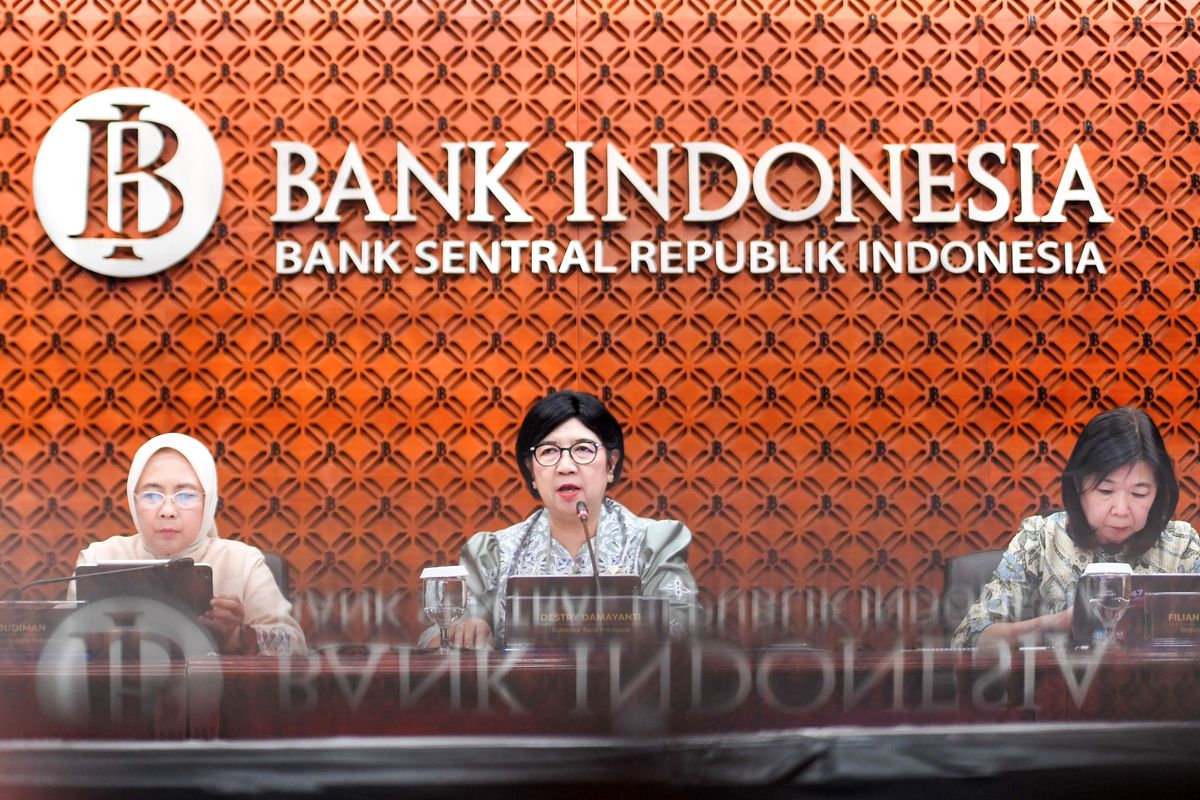
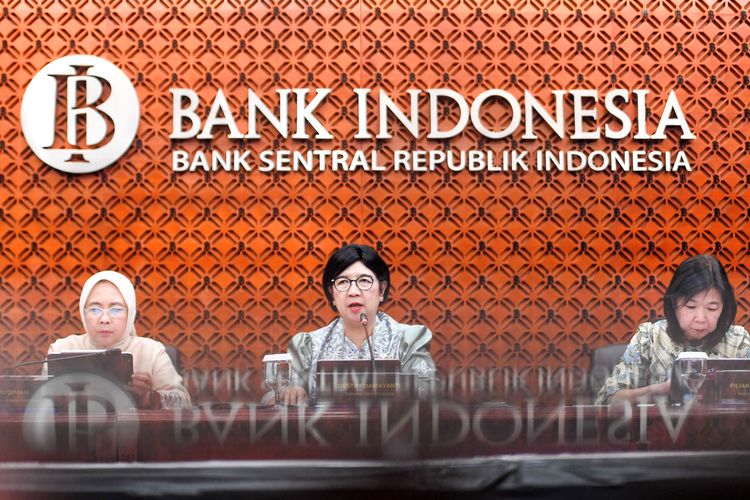
DECISION Bank Indonesia's decision to raise the benchmark interest rate by 25 basis points to 6 percent in mid-November 2026 sends a serious message.
According to Kompas.com, the monetary authority also increased the deposit rate to 5.25 percent and the lending rate to 6.75 percent to stabilize the rupiah and keep inflation in 2026 and 2027 within a target range of 2.5 percent plus or minus 1 percent.
Ironically, on the same day, the government expressed optimism that this move would not disrupt economic momentum.
As cited from Kontan.co.id, the Coordinating Ministry for Economic Affairs is still targeting a 5.4 percent growth rate in the fourth quarter of 2026 by strengthening coordination between ministries and related agencies.
The contrast between monetary tightening and fiscal optimism creates a policy paradox that must be carefully watched.
Referring to a study by an independent economic research institution at a national risk management conference in Yogyakarta in November 2026, the threat of an economic crisis in Indonesia by 2027 is continuing to increase.
External pressures are no longer just rhetoric. Based on data from Bank Indonesia in that study, the national balance of payments recorded a sharp deficit of 10.027 billion USD in the first half of 2026.
At the same time, foreign exchange reserves have significantly declined to 146.32 billion USD as of September 2026.
The increase in the benchmark interest rate also confirms that the central bank's room for maneuver is getting narrower.
So far, the monetary authority has fought hard to stem market volatility by issuing Bank Indonesia Rupiah Securities exceeding 1,000 trillion IDR and the central bank's foreign debt surging to nearly 43 billion USD in August 2026.
When those instruments reached their limits, interest rates had to be raised.
Therefore, the government's confidence in pursuing a 5.4 percent growth rate and even targeting 7.5 to 8 percent from 2028 to 2030 in the 2027 State Budget Financial Note must be sincerely tested against structural realities.
The government's efforts to map out new sources of growth are faced with a significant wall of early deindustrialization.
Quoting data from the Central Statistics Agency, the contribution of the manufacturing industry to gross domestic product shrank from 28.07 percent in 2004 to 19.07 percent in 2025.
The weakness of the manufacturing sector forces the majority of the workforce to remain in the informal sector.