
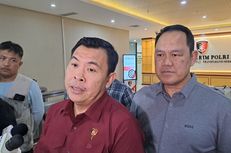
Tomorrow, National Police to "Expose" Allegations of Coup Against Prabowo at Attorney General's Office
-
News
-
8 minutes ago
This article was translated by AI. Read the original article on Kompas.com. See Original
The public does not always follow the emotions of the elite. They possess historical experience, pragmatic considerations, and the ability to evaluate that national life far exceeds the political fate of any individual.
This may be one of the interesting developments in our democracy.
The public is beginning to understand that power has a time limit, while the state and social life must continue.
When an individual enters public office, they receive a mandate to carry out constitutional functions.
When that mandate ends, or changes occur in accordance with constitutional mechanisms, the life of the nation should not come to a halt.
The public should not become hostages to individual interests, no matter how strong that individual's political influence may have been.
It is clear that mature democracy is not one without fanatical supporters, criticism, or conflicting views.
Democracy actually always provides space for different interests and opinions.
The measure of democratic maturity lies in the ability to manage these differences without destroying national unity.
People may feel disappointed, may support, may reject, and even may criticize fiercely.
However, all of this must occur within the bounds of respect for the law, the constitution, and the preservation of the state.
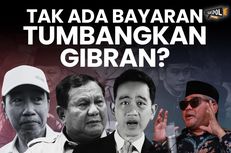
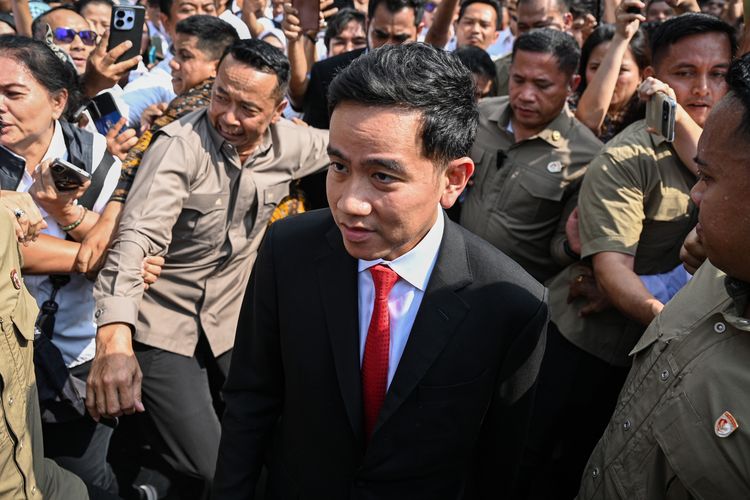
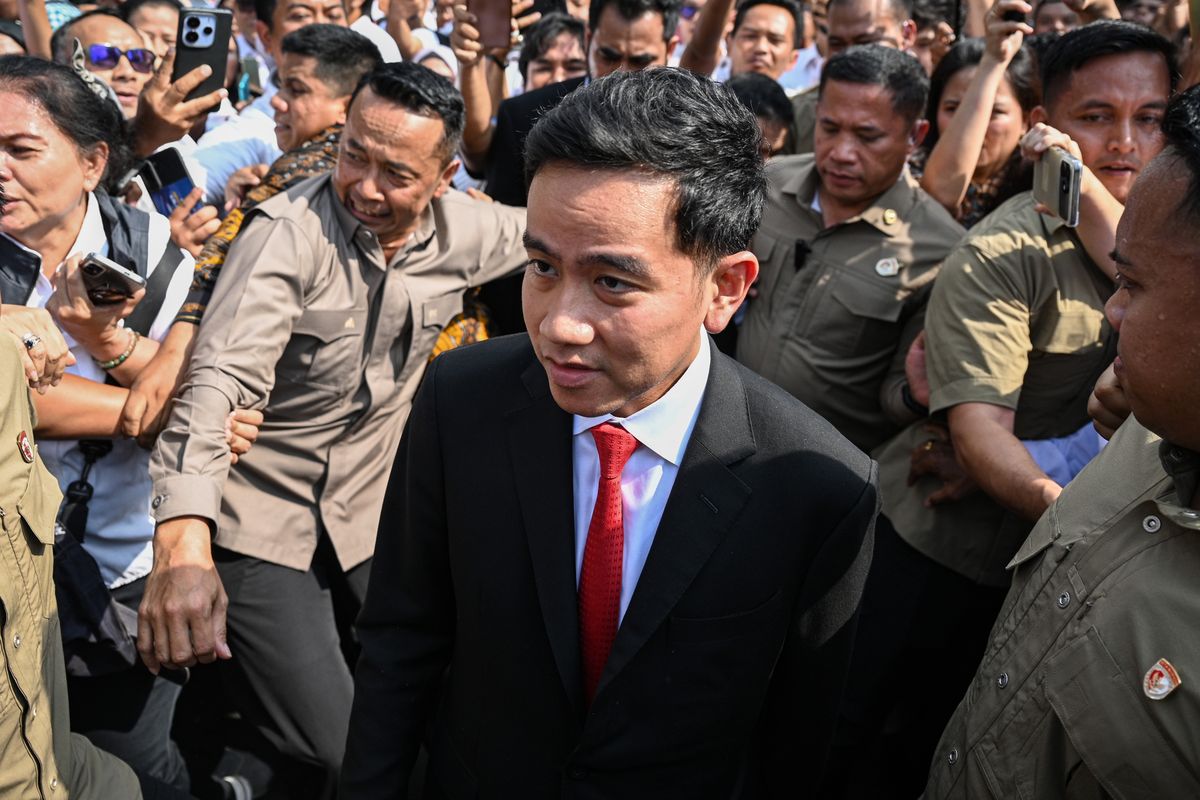
A critical lesson from Gibran's resignation is not to overly glorify an individual to the detriment of institutional development.
Democracy that relies on individual charisma will always be vulnerable to upheaval when that figure loses power.
Conversely, democracy that rests on institutions will continue to function even amidst transitions of president, vice president, ministers, party leaders, or political organization heads.
This is the difference between a society that only sees politics as a contest for figures and one that understands politics as the management of public mandates.