

Long Journey Towards the Enactment of the Asset Seizure Bill
-
News
-
11 minutes ago
This article was translated by AI. Read the original article on Kompas.com. See Original
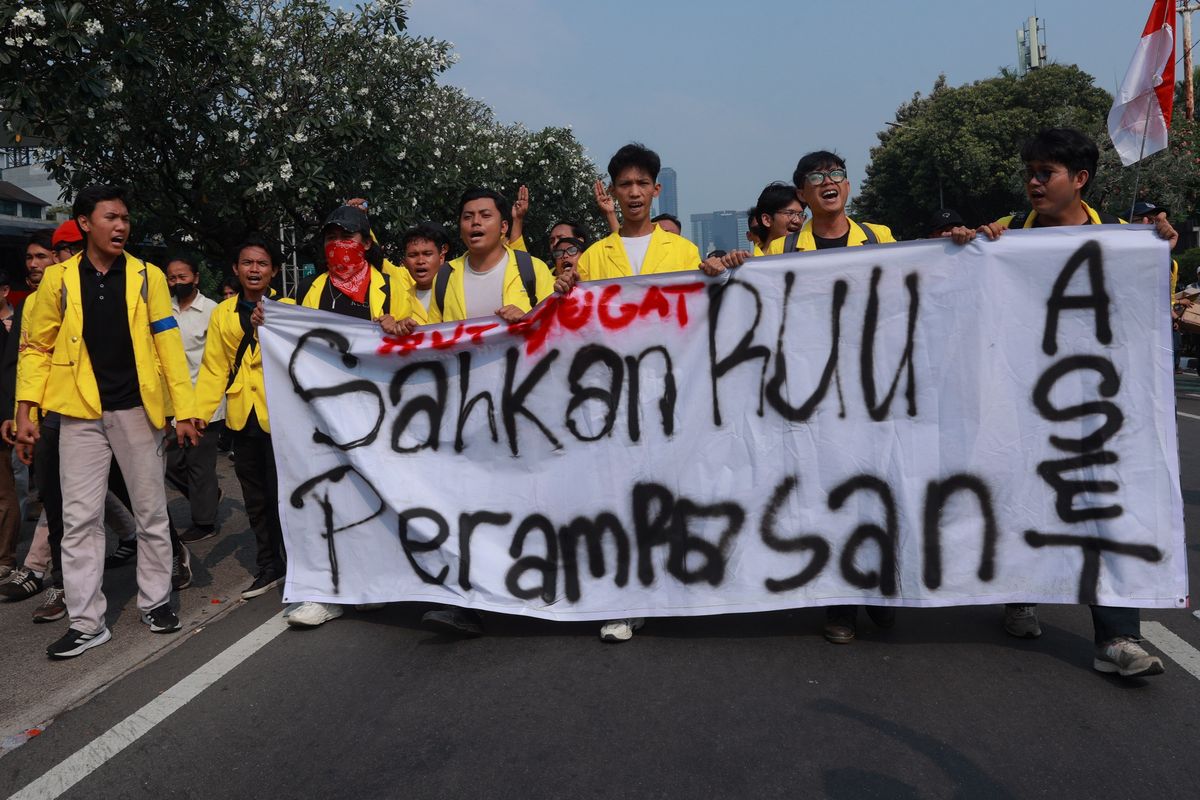
JAKARTA, KOMPAS.com - The Draft Law (RUU) on Asset Seizure Related to Corruption and Other Crimes is finally nearing the end of its long journey.
This bill has faced years of delays and various political obstacles.
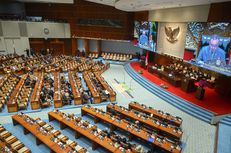
The House of Representatives (DPR) of Indonesia is scheduled to approve the Bill on Asset Seizure Related to Corruption and Other Crimes during its plenary session on Thursday (19/11/2026) morning.
This approval will mark the final chapter of a long struggle that began in 2008.
For nearly two decades, the bill was repeatedly discussed but never secured confirmation for its deliberation or approval.
In fact, the Asset Seizure Bill was initially removed from the National Legislative Program (Prolegnas) of the DPR for the 2024-2029 period.
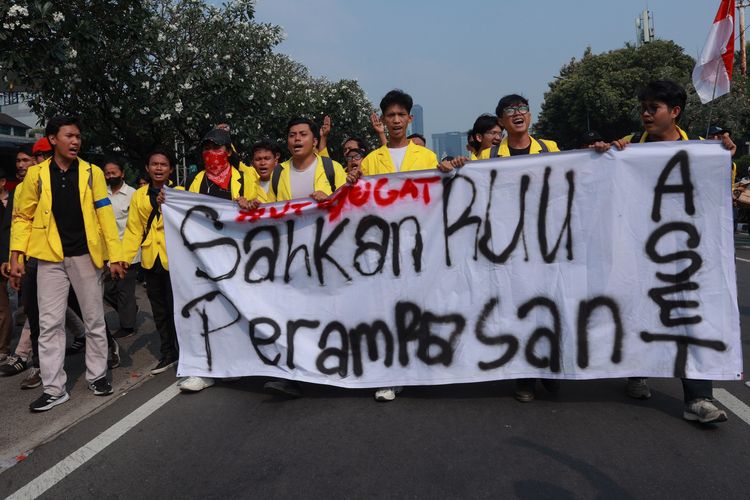
This situation prompted criticism and public pressure for the government and DPR to provide clarity regarding the discussion of this regulation.
The call was echoed through various large demonstrations, including actions in August 2025 and August 2026.
Ultimately, the DPR and the government finalized discussions on the Asset Seizure Bill in November 2026.
The approval scheduled for November 19, 2026, comes earlier than the previously promised deadline of December 15, 2026, by the DPR leadership.
The journey of the Asset Seizure Bill started in 2008. At that time, the Financial Transaction Reports and Analysis Center (PPATK) began examining the need for legislation to regulate the seizure of assets resulting from criminal conduct.
This examination was prompted by the need for more effective legal instruments to support the eradication of corruption and various other criminal acts in Indonesia.
After several years of analysis, the government finally submitted the Asset Seizure Criminal Act to the DPR in 2012.
However, the entry of the bill into the DPR did not immediately lead to serious discussions. For years, the Asset Seizure Bill remained unaddressed.
Discussions about the regulation occasionally surfaced, but there was no certainty regarding the timing of discussions or approval.
Differences in opinion among DPR members regarding the urgency and substance of the bill also posed challenges.
The push to discuss the Asset Seizure Bill regained momentum in 2023.
On March 29, 2023, then Coordinating Minister for Political, Legal, and Security Affairs Mahfud MD brought up the bill during a meeting with Commission III of the DPR.
In that meeting, Mahfud asked the then Chair of Commission III, Bambang Wuryanto (Bambang Pacul), to support the approval of the Asset Seizure Bill.
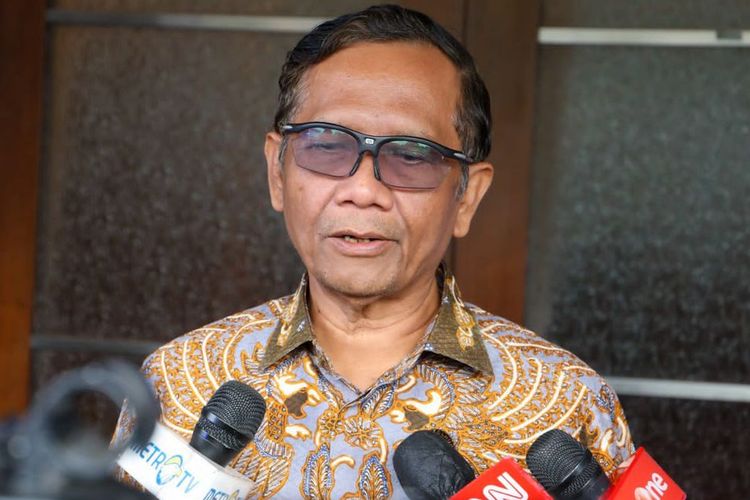 Former Coordinating Minister for Political, Legal, and Security Affairs Mahfud MD explaining the Supreme Court's decision regarding the retroactive enforcement of a high school equivalency certificate for Vice President Gibran Rakabuming Raka.
Mahfud stated that the existence of this regulation would facilitate the government's efforts to eradicate corruption.
In response to Mahfud's request, several members of Commission III urged the government to send a presidential letter (surpres), academic text, and draft of the Asset Seizure Bill for discussions in the Legislative Body (Baleg) of the DPR.
The government then sent a presidential letter regarding the Asset Seizure Bill to the DPR on May 4, 2023. However, that did not lead to any discussions on the bill.
As of the last plenary session of the DPR for the 2019-2024 period on September 30, 2024, the Asset Seizure Bill had never been discussed.
When the DPR entered the 2024-2029 period, an evaluation meeting of the Prolegnas was held.
During the meeting on October 28, 2024, Baleg DPR discussed the list of proposed bills for the 2025-2029 period. However, the Asset Seizure Bill was not included in the list of proposals read during that meeting.
At that time, Deputy Chair of Baleg DPR Ahmad Doli Kurnia emphasized that the Asset Seizure Bill had not been included in the priority Prolegnas list.
Doli reasoned that the bill still required further examination to ensure its alignment with Indonesia’s legal and political system.
“Let’s not conclude now that the DPR rejected the Asset Seizure Bill or accepted it. We are currently consolidating, trying to determine which laws are necessary,” Doli explained at that time.