

Controversy Over Ethical Court of General Listyo Sigit Prabowo
-
News
-
2 minutes ago
This article was translated by AI. Read the original article on Kompas.com. See Original
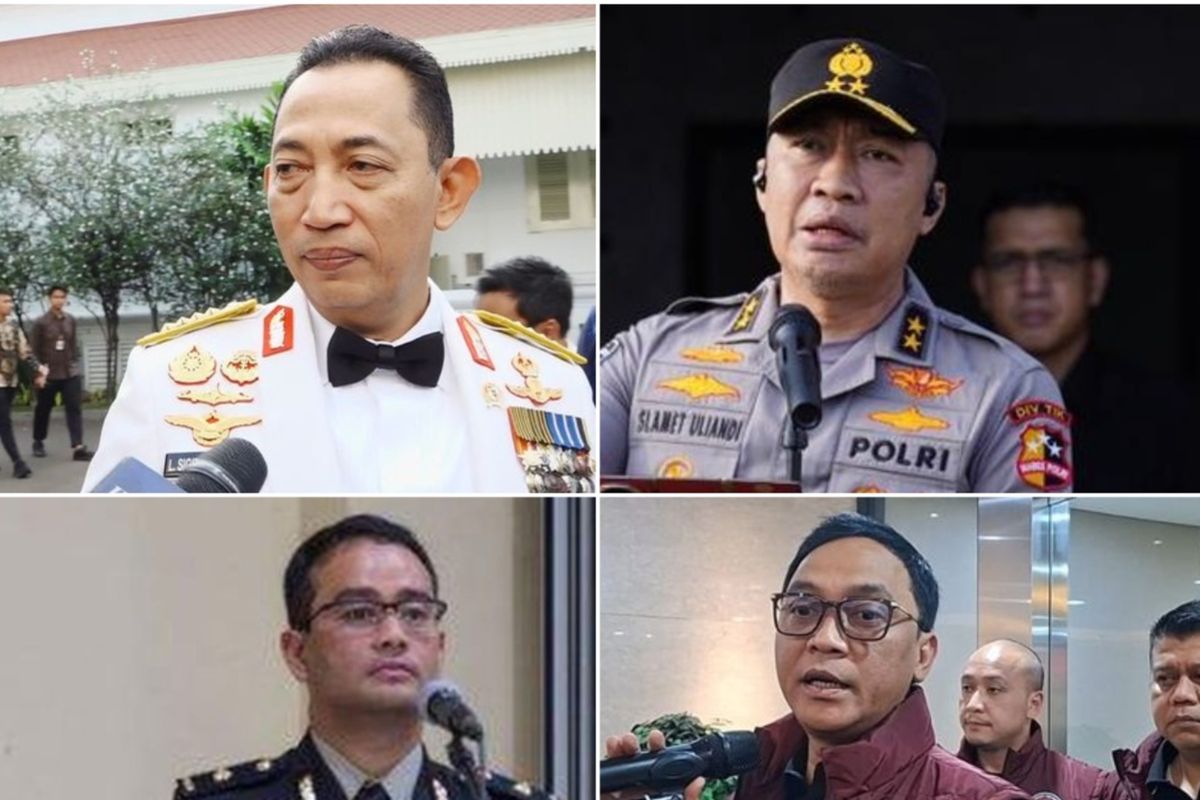
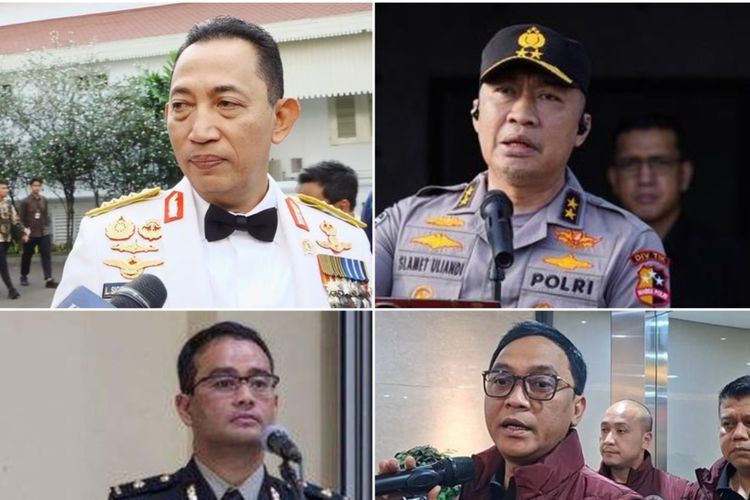
Interestingly, this regulation was issued and signed by Listyo Sigit Prabowo himself when he was Chief of Police, and now he is the one facing legal proceedings under that very regulation.
Regardless of the surrounding circumstances, the legal proceedings for the ethical violations committed by Listyo Sigit Prabowo must occur to provide legal certainty for both the suspect and the public.
There are several solutions available for the Chief of Police, General Suyudi Ario Seto, to ensure that the ethical hearing for Listyo Sigit Prabowo can be held without violating existing regulations.
The first is to revise the current Police Regulation and add new norms within it. For instance, if those on trial hold the highest four-star rank in the police, the structure of the ethical hearing could allow the chairman and vice-chairman to have the same rank, while the member can be at one rank lower.
New norms in the revision could also include a flexible ranking system similar to that in the military, which allows for temporary ranks for individuals who are not police officers—such as members of the National Police Commission or judges—who have the specialized expertise required at the time of the hearing.
Another option is to issue a new regulation incorporating the norms suggested in the revision.
Essentially, the deadlock caused by the enforcement of Police Regulation No. 7 of 2022 and the limitations of available four-star personnel is not a major issue.
The fundamental regulations are internal rules that can be resolved through internal mechanisms, rather than through legislation requiring a special process for revision or reissuance in a new format.
What the public needs today is legal certainty for violators to maintain public trust and reinforce the dignity of the police institution as a law enforcement body that resonates positively in society.
It is the responsibility of the police to ensure that the hearing can be conducted honestly, transparently, and accountably.