
DPR Member to Presidential Palace: Don't Let ABS Ministers Continue, It's Unfair to Prabowo
-
News
-
1 minute ago
This article was translated by AI. Read the original article on Kompas.com. See Original
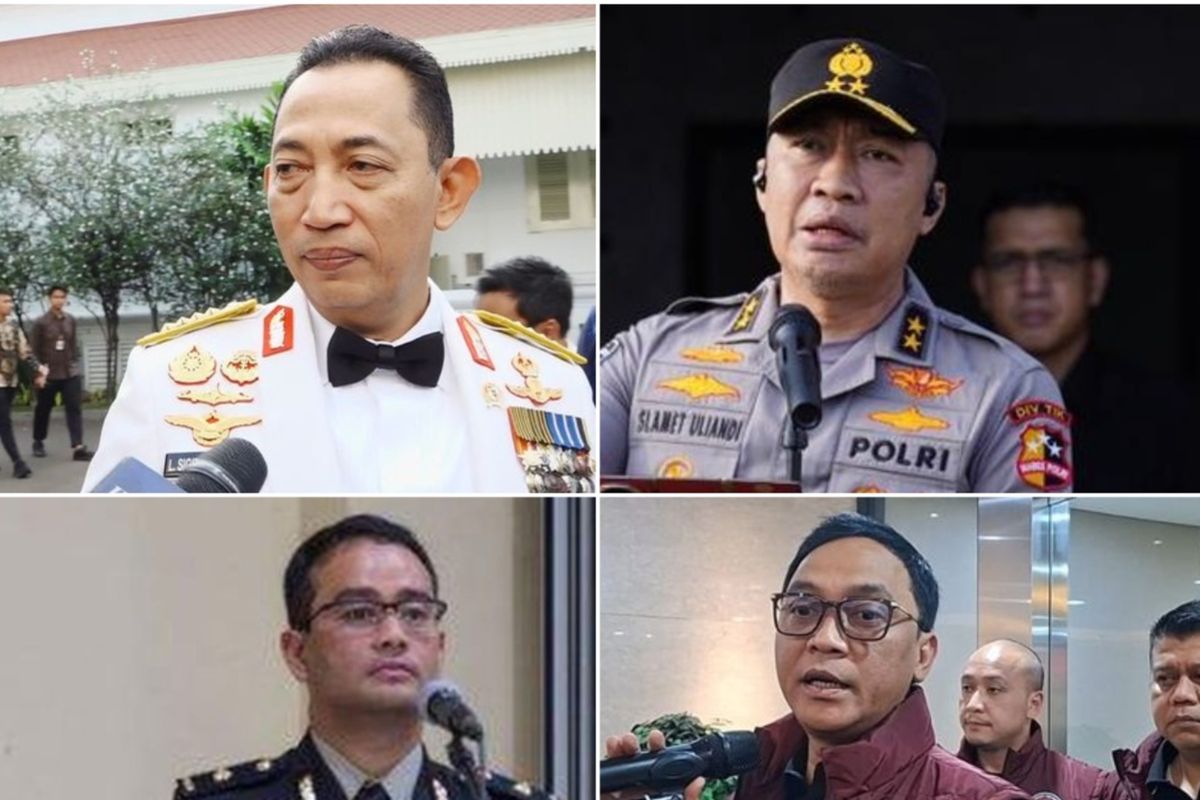
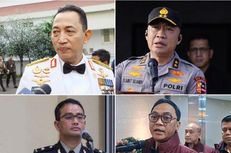
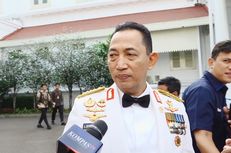
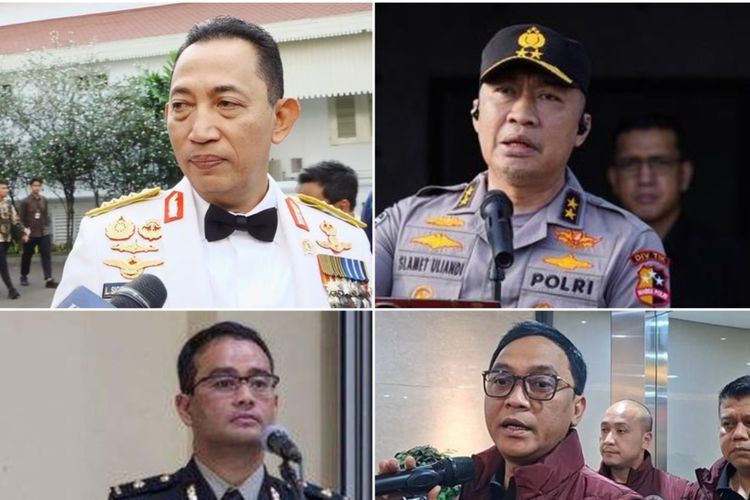
DIVPROPAM of the National Police has scheduled a phased hearing of the Police Code of Ethics Commission (KKEP) concerning the wiretapping case involving the head of state, several government officials, and public figures by four high-ranking police officers, including former Chief of Police General Listyo Sigit Prabowo.
This ethical hearing is being held to determine sanctions for the administrative violations committed by the four generals in their duties as members of the police force.
The police stated that all hearings will be conducted fairly, transparently, and professionally, with no special treatment for the high-ranking officials involved.
However, there are issues in the planning of this hearing concerning the four-star status held by Listyo Sigit Prabowo.
According to Police Regulation (Perprol) No. 7 of 2022 regarding the Professional Code of Ethics and the Police Code of Ethics Commission, KKEP is the official body within the police tasked with examining and adjudicating violations of the code of ethics committed by police officers.
The composition of members in the ethics hearings typically consists of an odd number, ranging from three to five members, including a chairman and vice-chairman, with ranks corresponding to that of the alleged violator.
This is where the issue arises. The four-star status held by Listyo Sigit Prabowo requires the hearing to be chaired by a police officer with the same four-star rank.
This means that if the hearing is to be conducted by three individuals—one chairman, one vice-chairman, and a member—all three must hold the rank of four stars.
Within the police hierarchy, only three individuals hold the four-star rank: Chief of Police General Suyudi Ario Seto, Head of the National Police’s Public Relations Division General Dedi Prasetyo, and Listyo Sigit himself, who previously served as the Head of the State Security Agency before being named a suspect in the illegal wiretapping case.
Thus, if the Chief of Police and General Dedi Prasetyo are included in the commission hearing, one more four-star officer is still needed to proceed with the hearing.
This relatively complicated scenario is not present in the ethical hearings against Inspector General Pol Ahrie Sonta, nor in the ethical hearing scheduled for November 17 against Inspector General Pol Eko Hadi Santoso.
Their ranks as two-star police officers allow a smoother process due to the availability of three-star police personnel.
In the case of the ethical hearing for Inspector General Pol Eko Hadi Santoso, the session was chaired by Police Commission General Hendro Pandowo. Meanwhile, for Inspector General Pol Ahrie Sonta, the hearing was chaired by Police Commission General Rudi Darmoko.
The problems currently facing the KKEP ethical hearings present a unique phenomenon and can serve as an important lesson for the police institution to develop innovative legal principles based on empirical challenges.
When Police Regulation No. 7 of 2022 was formulated, those drafting it may not have predicted that a high-ranking police officer holding a four-star rank—the highest position—would violate the code of ethics.
Interestingly, this regulation was issued and signed by Listyo Sigit Prabowo himself when he was Chief of Police, and now he is the one facing legal proceedings under that very regulation.
Regardless of the surrounding circumstances, the legal proceedings for the ethical violations committed by Listyo Sigit Prabowo must occur to provide legal certainty for both the suspect and the public.
There are several solutions available for the Chief of Police, General Suyudi Ario Seto, to ensure that the ethical hearing for Listyo Sigit Prabowo can be held without violating existing regulations.
The first is to revise the current Police Regulation and add new norms within it. For instance, if those on trial hold the highest four-star rank in the police, the structure of the ethical hearing could allow the chairman and vice-chairman to have the same rank, while the member can be at one rank lower.
New norms in the revision could also include a flexible ranking system similar to that in the military, which allows for temporary ranks for individuals who are not police officers—such as members of the National Police Commission or judges—who have the specialized expertise required at the time of the hearing.
Another option is to issue a new regulation incorporating the norms suggested in the revision.
Essentially, the deadlock caused by the enforcement of Police Regulation No. 7 of 2022 and the limitations of available four-star personnel is not a major issue.
The fundamental regulations are internal rules that can be resolved through internal mechanisms, rather than through legislation requiring a special process for revision or reissuance in a new format.
What the public needs today is legal certainty for violators to maintain public trust and reinforce the dignity of the police institution as a law enforcement body that resonates positively in society.
It is the responsibility of the police to ensure that the hearing can be conducted honestly, transparently, and accountably.